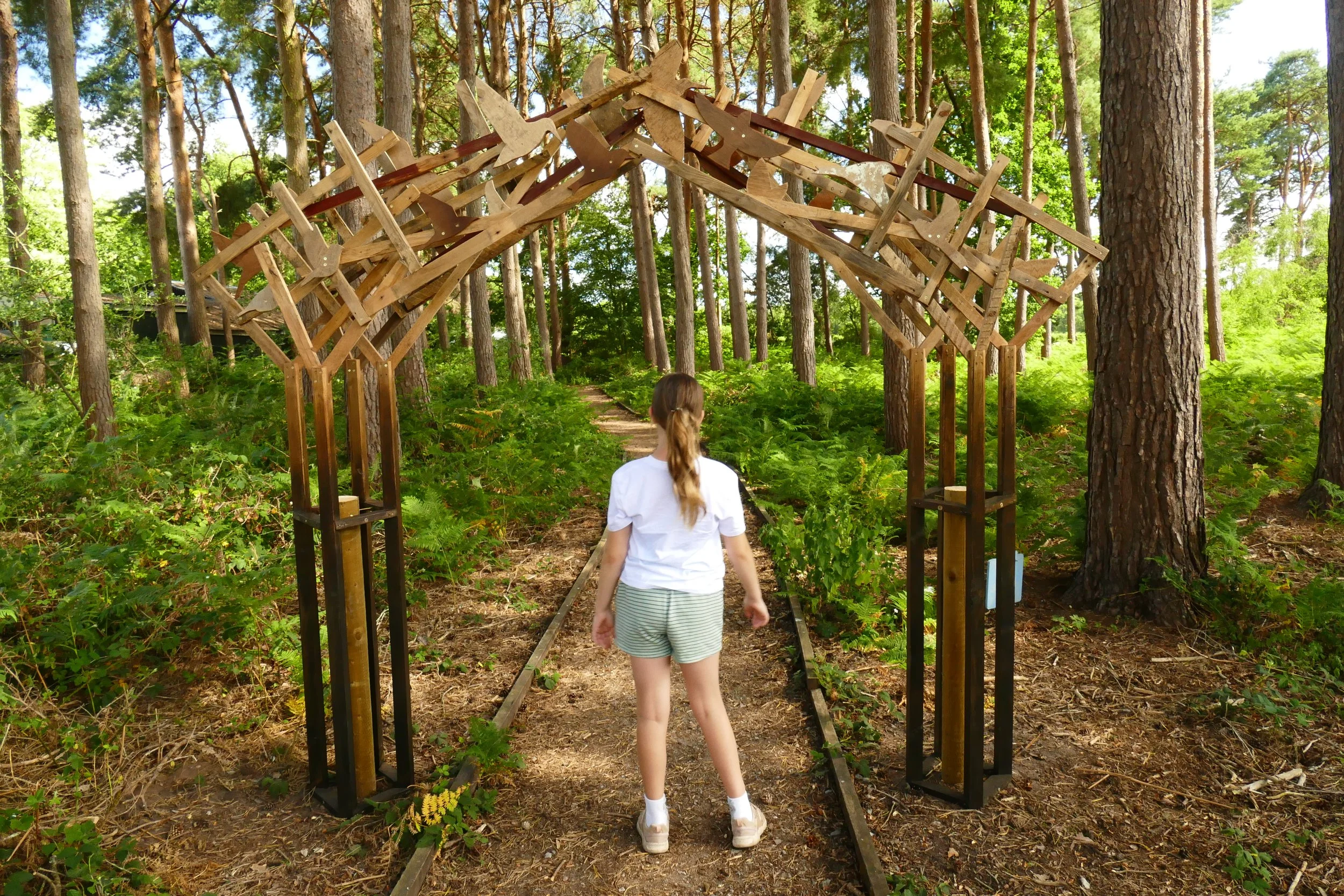
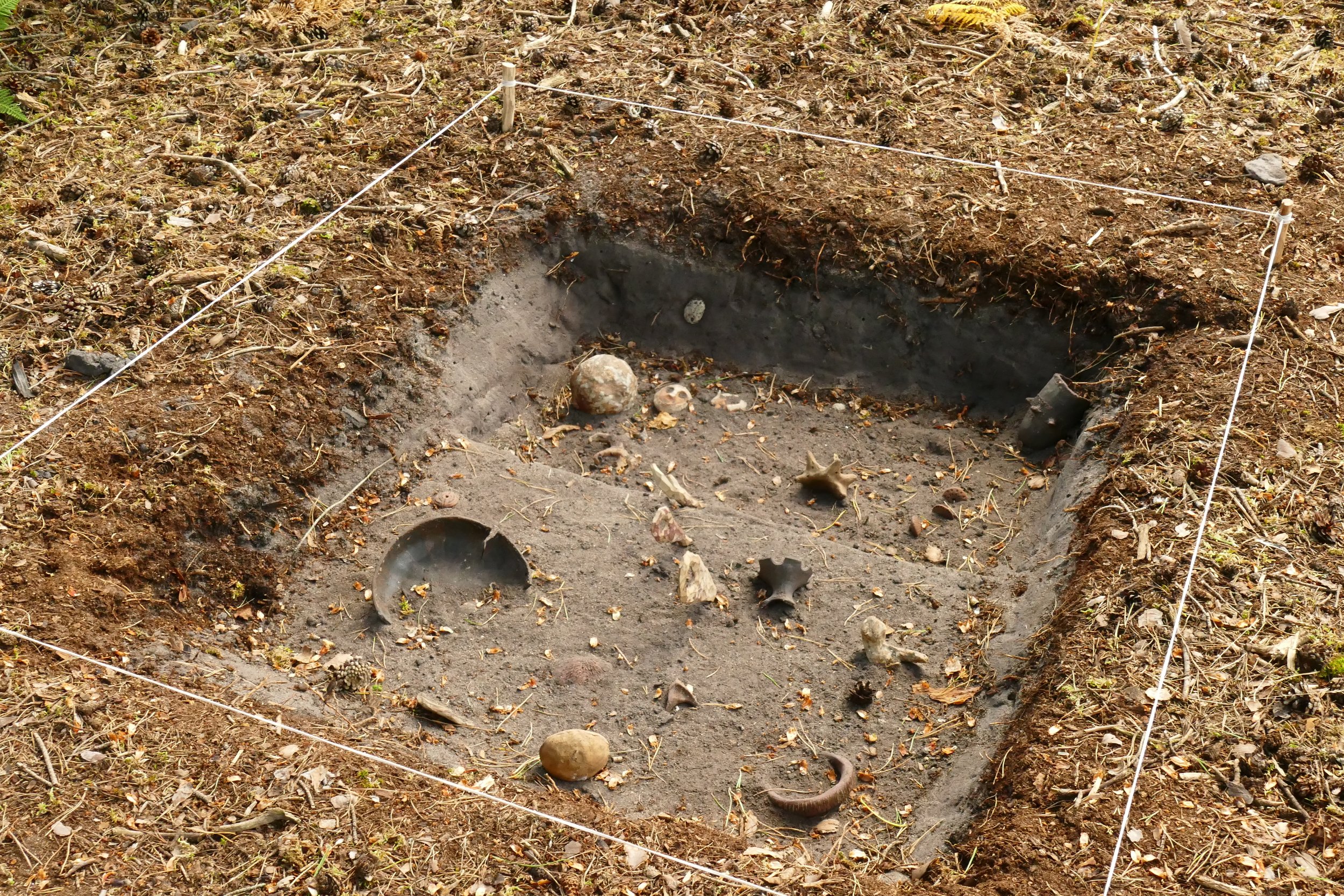
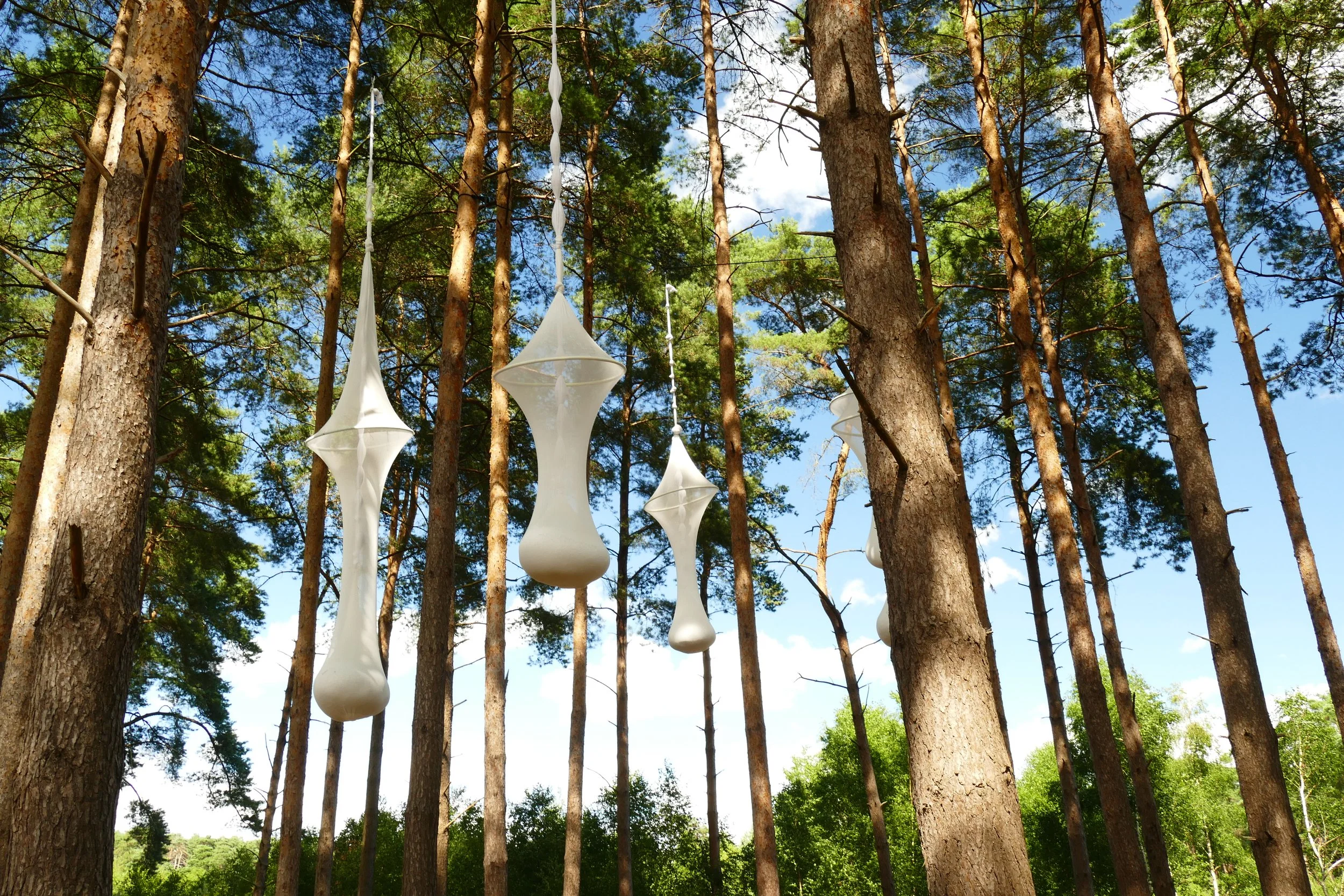
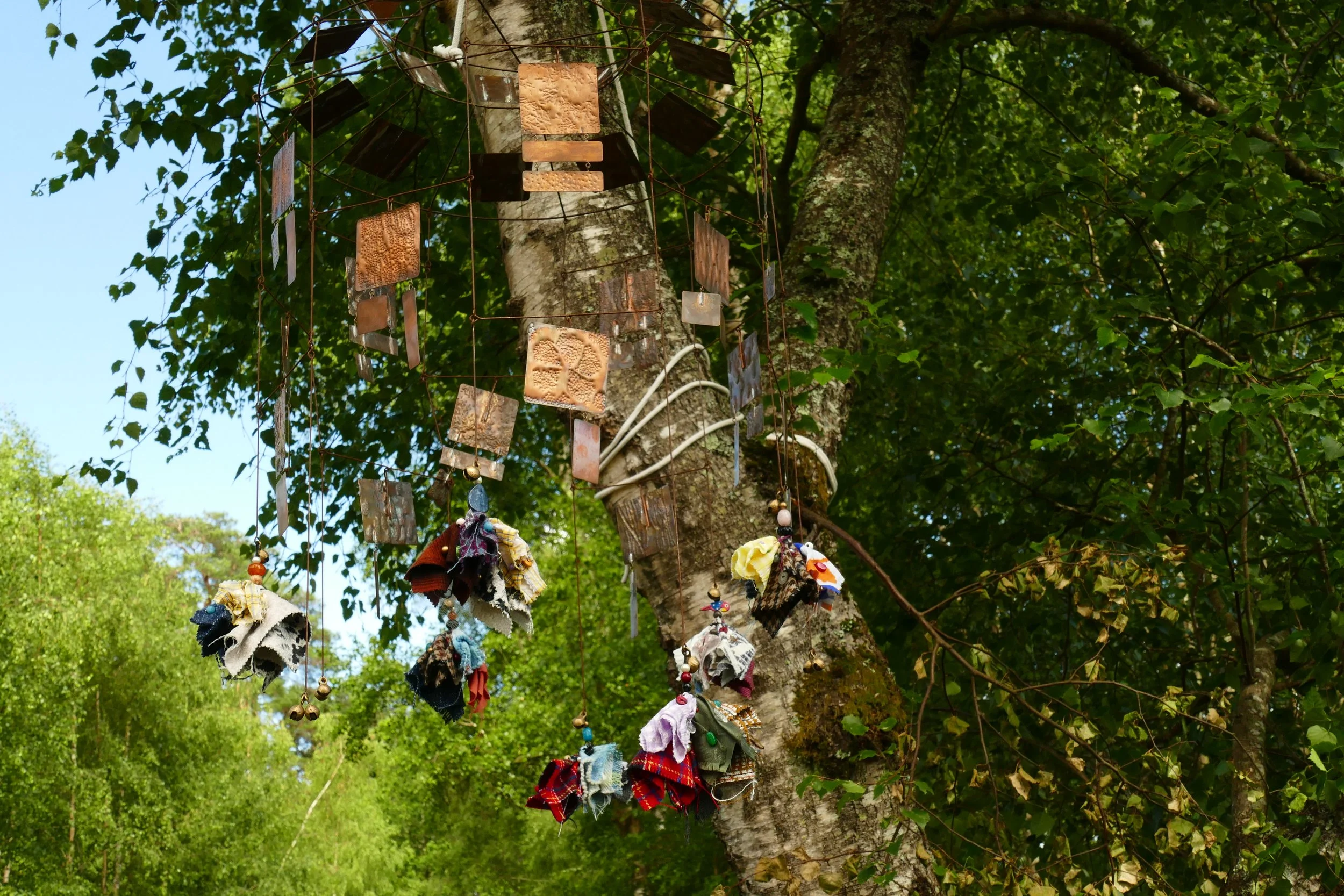
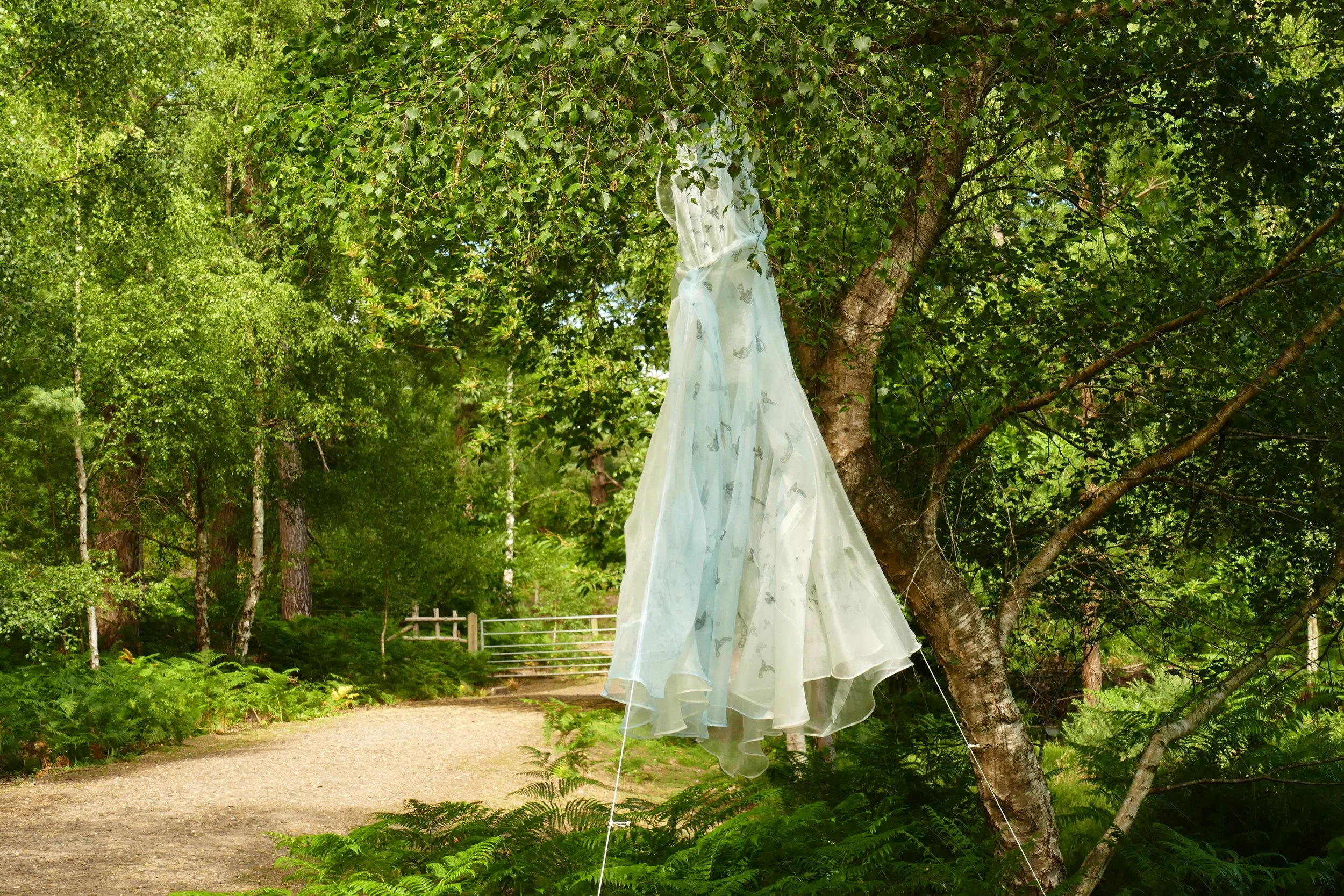
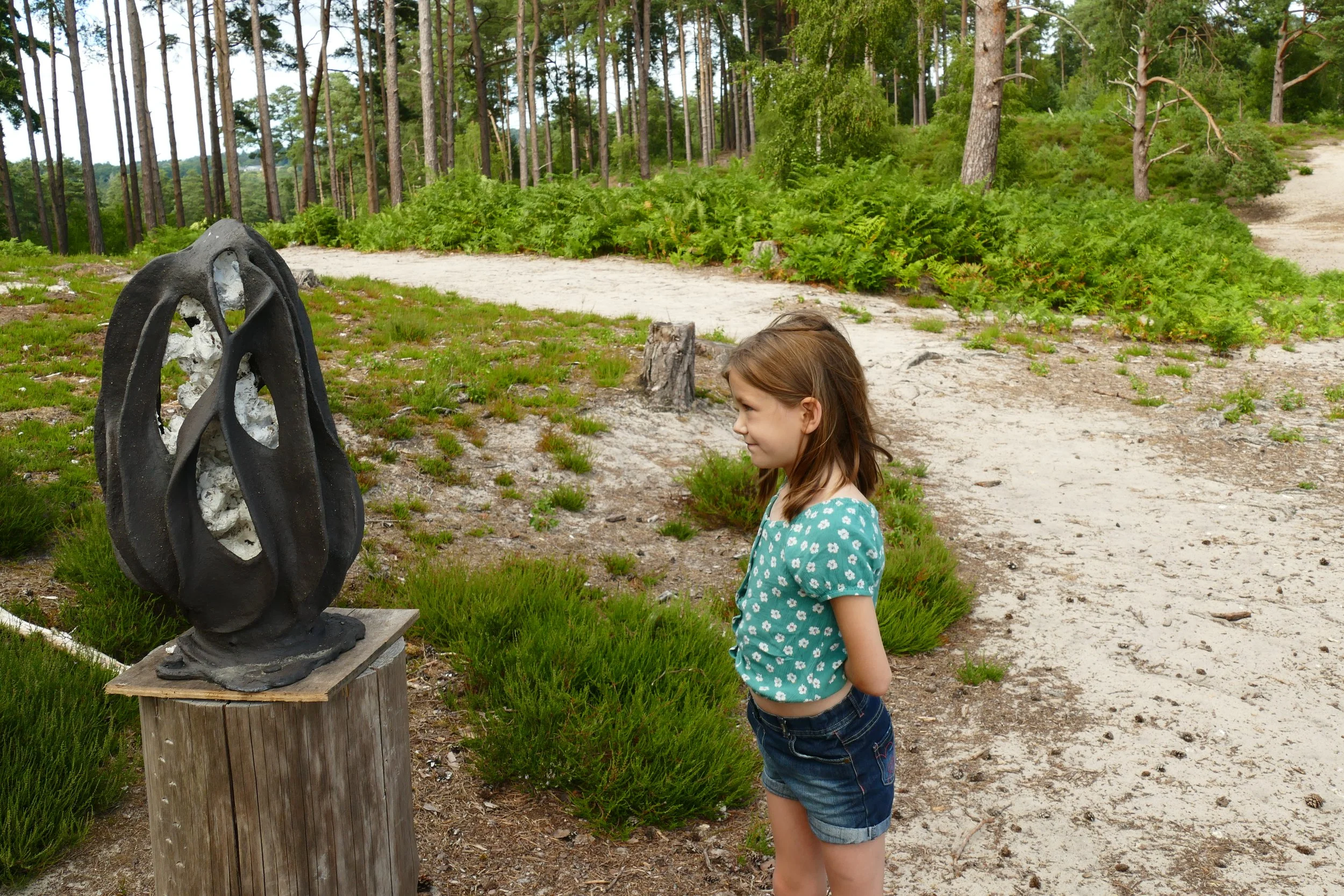
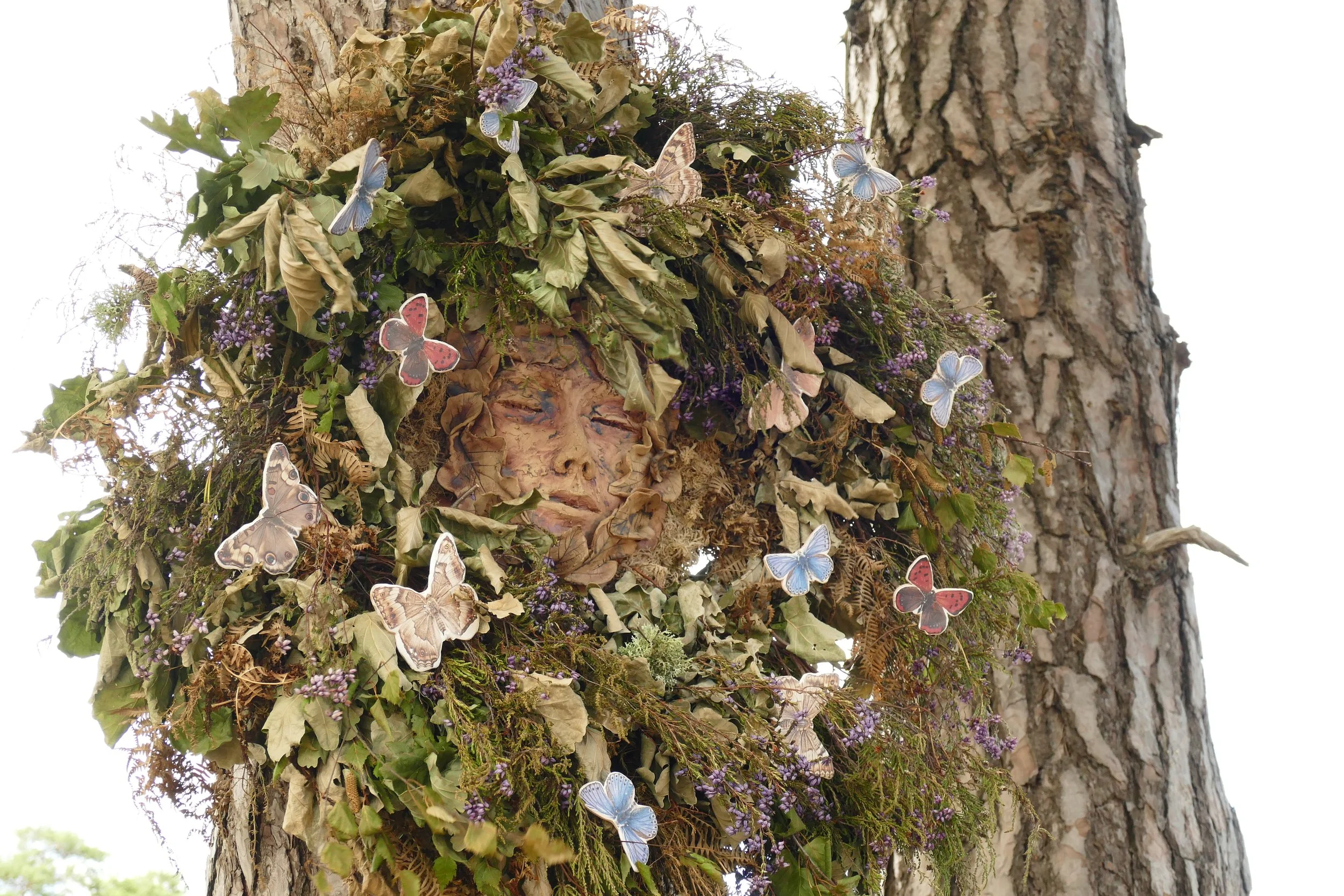
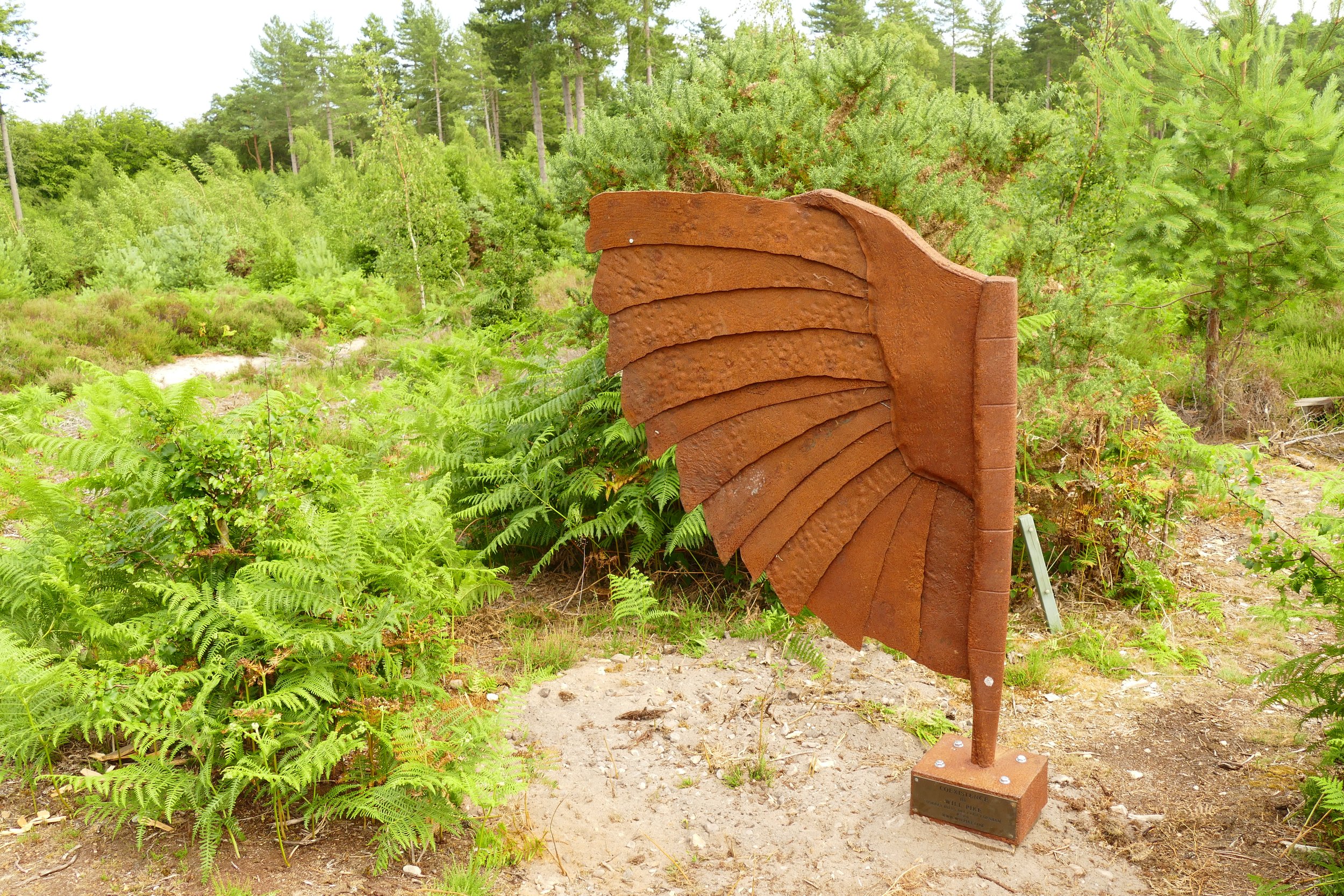
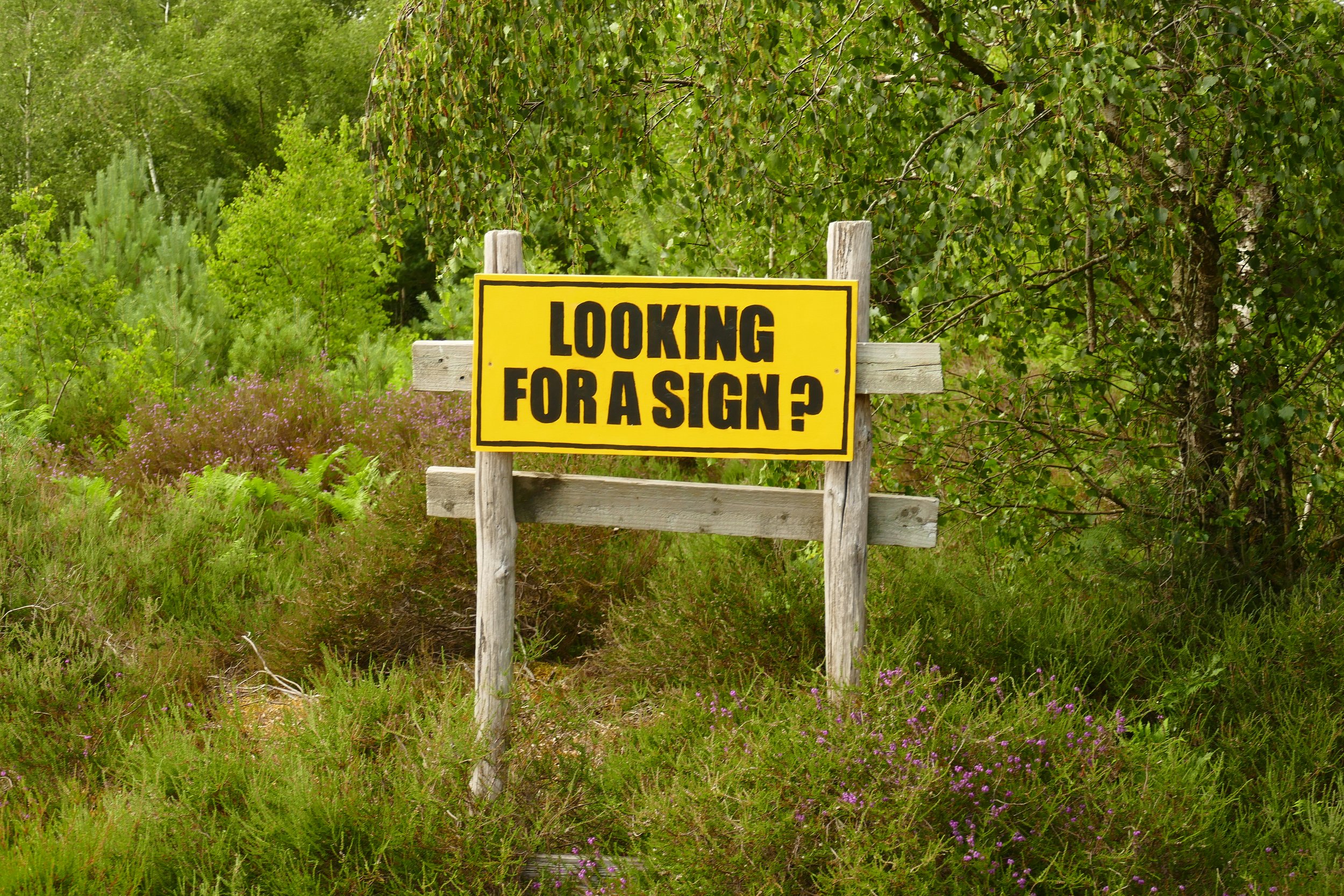
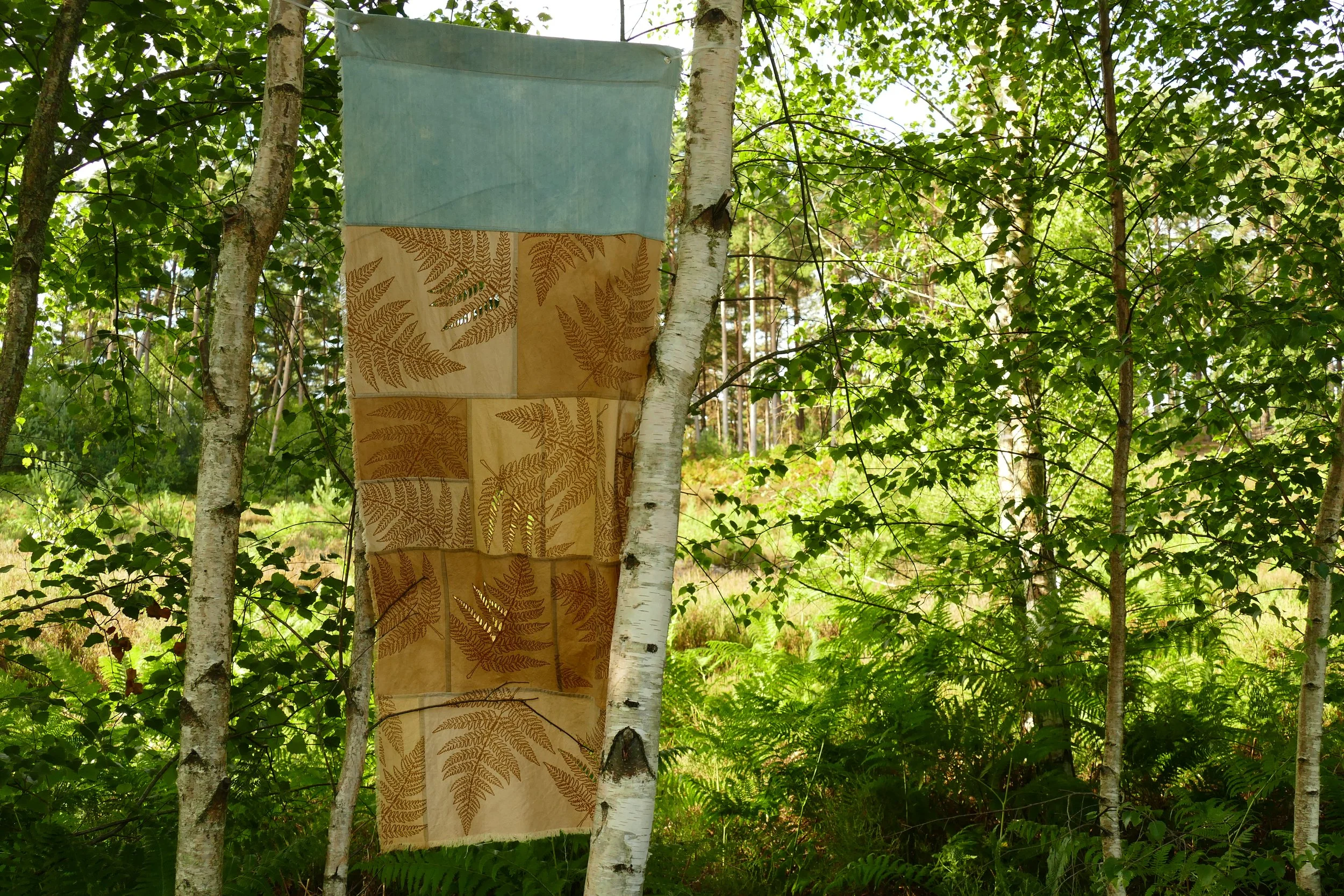
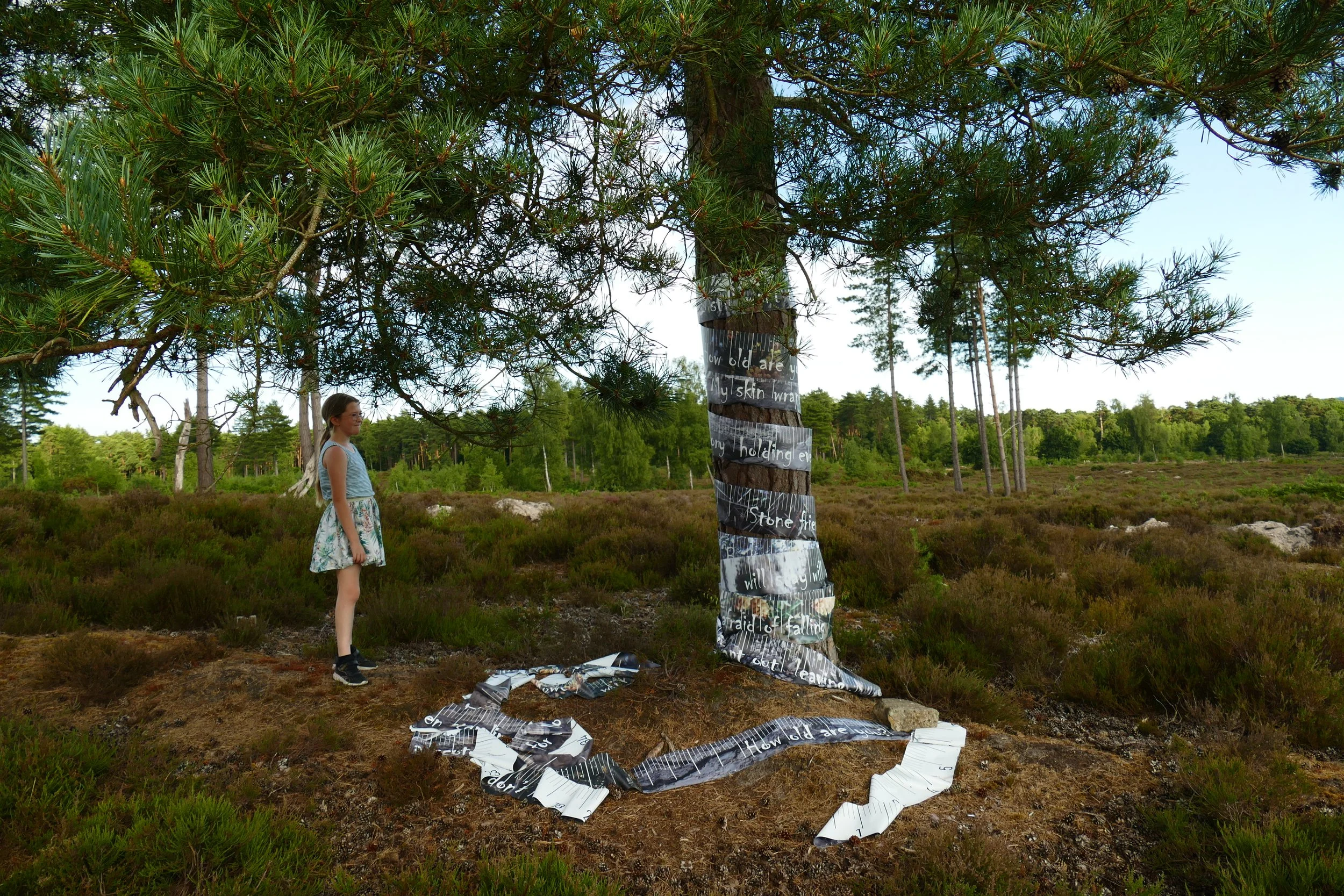
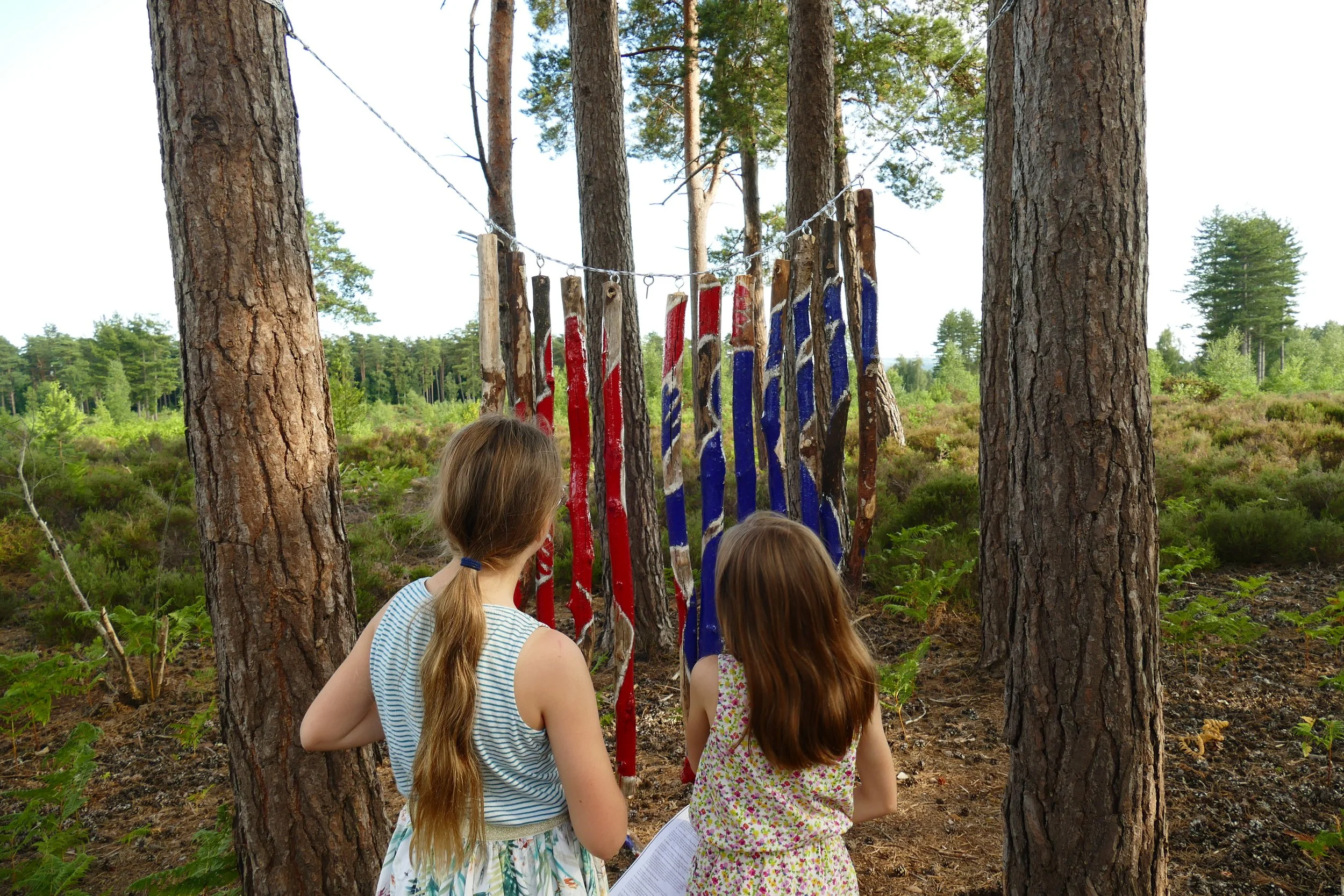
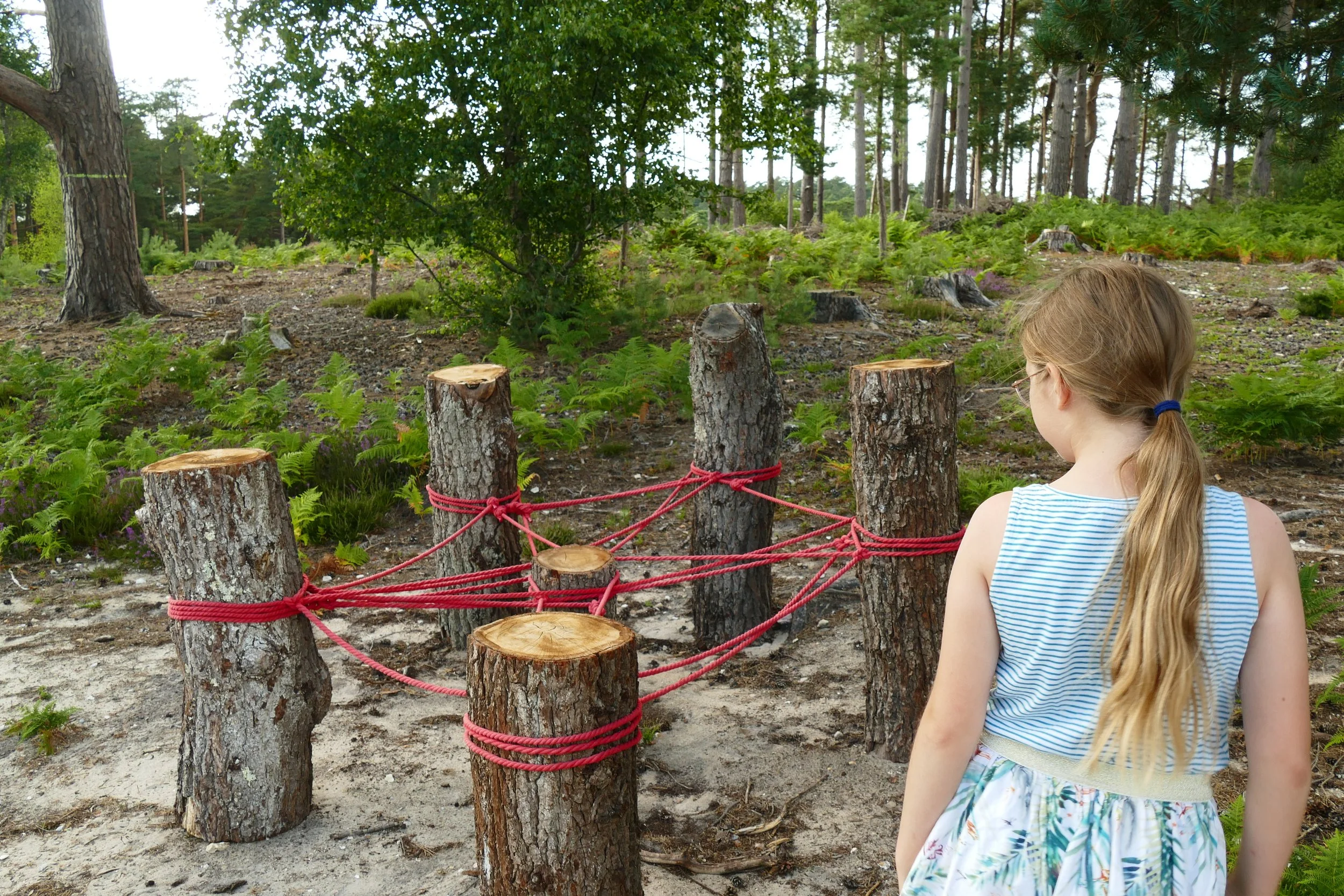
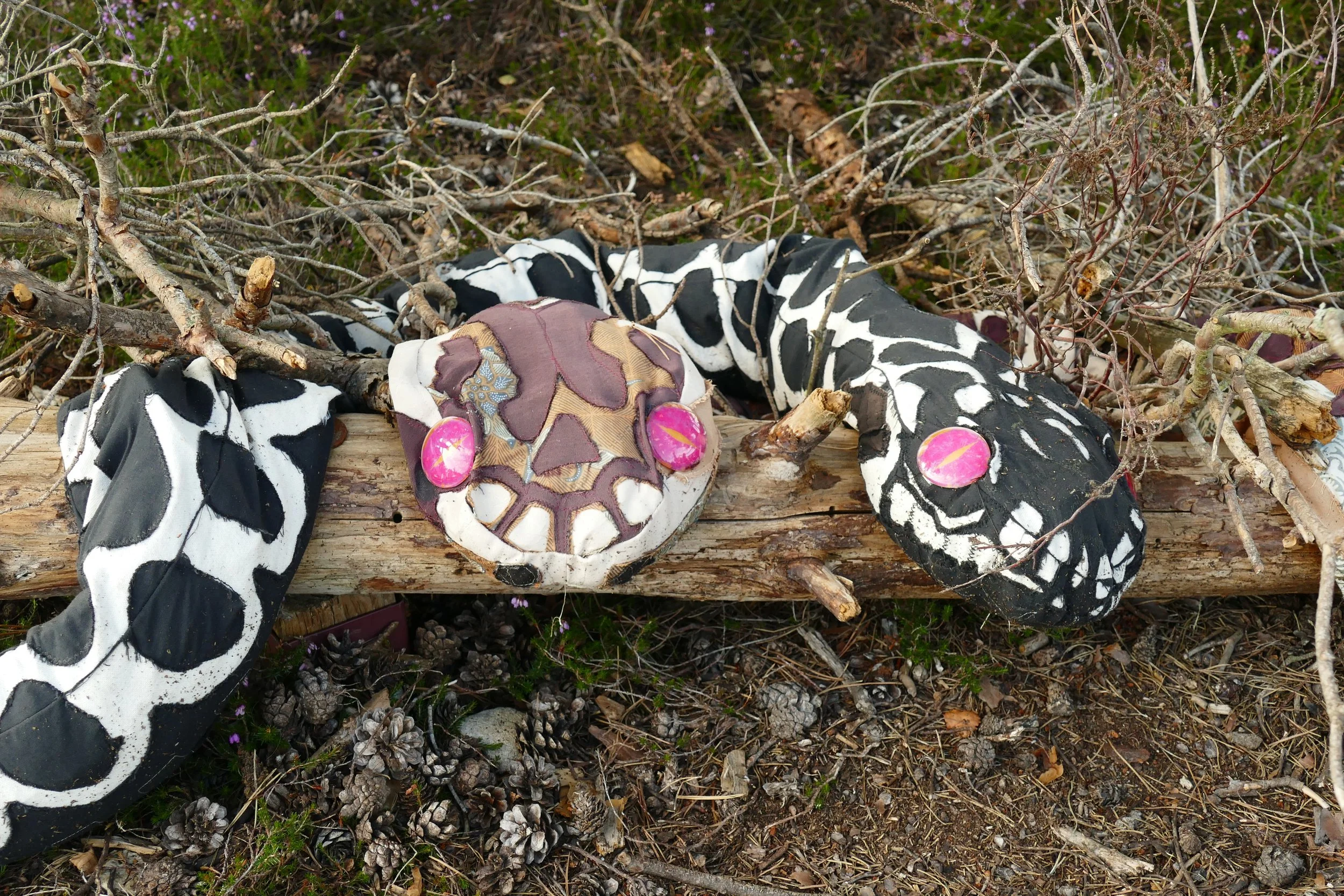
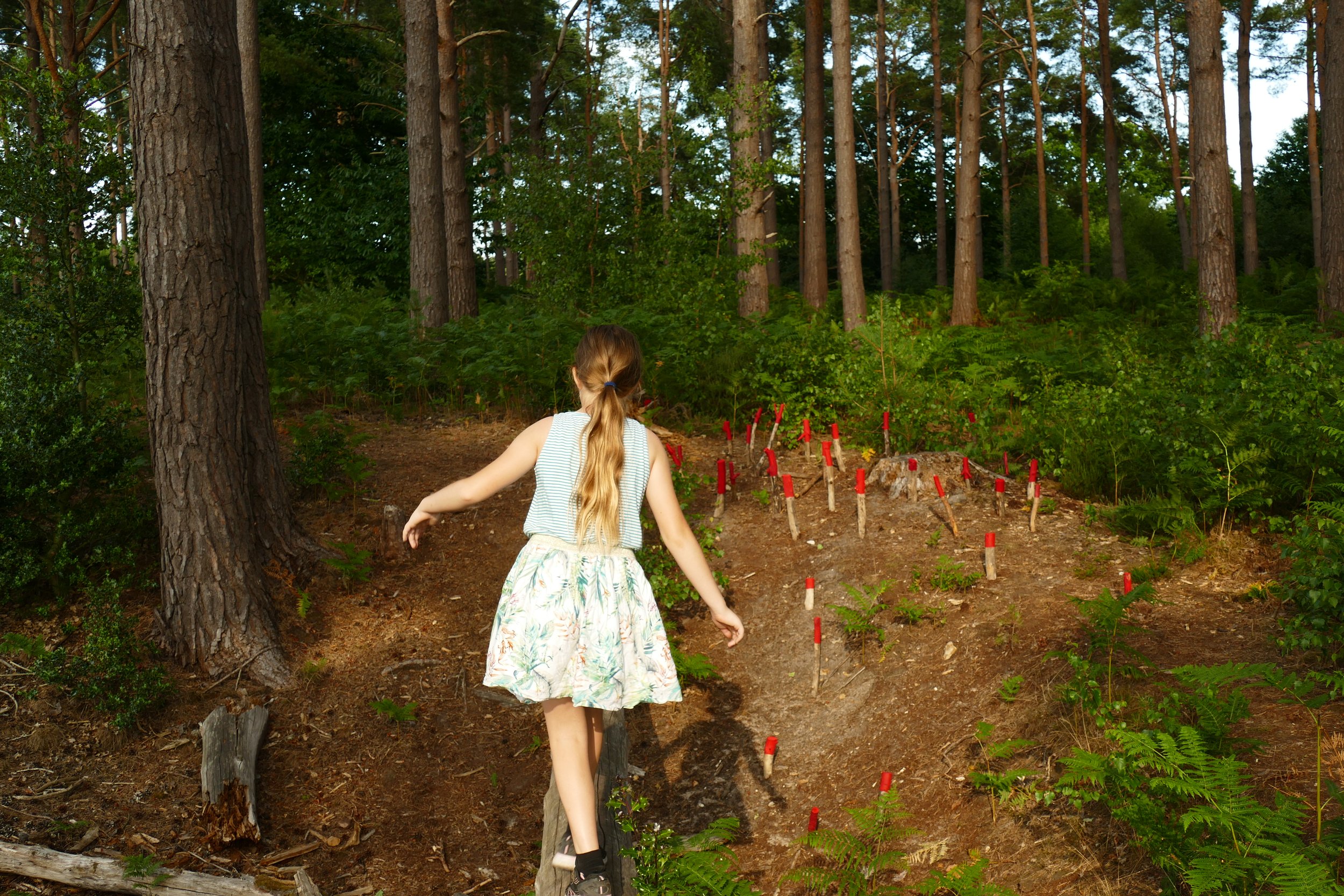
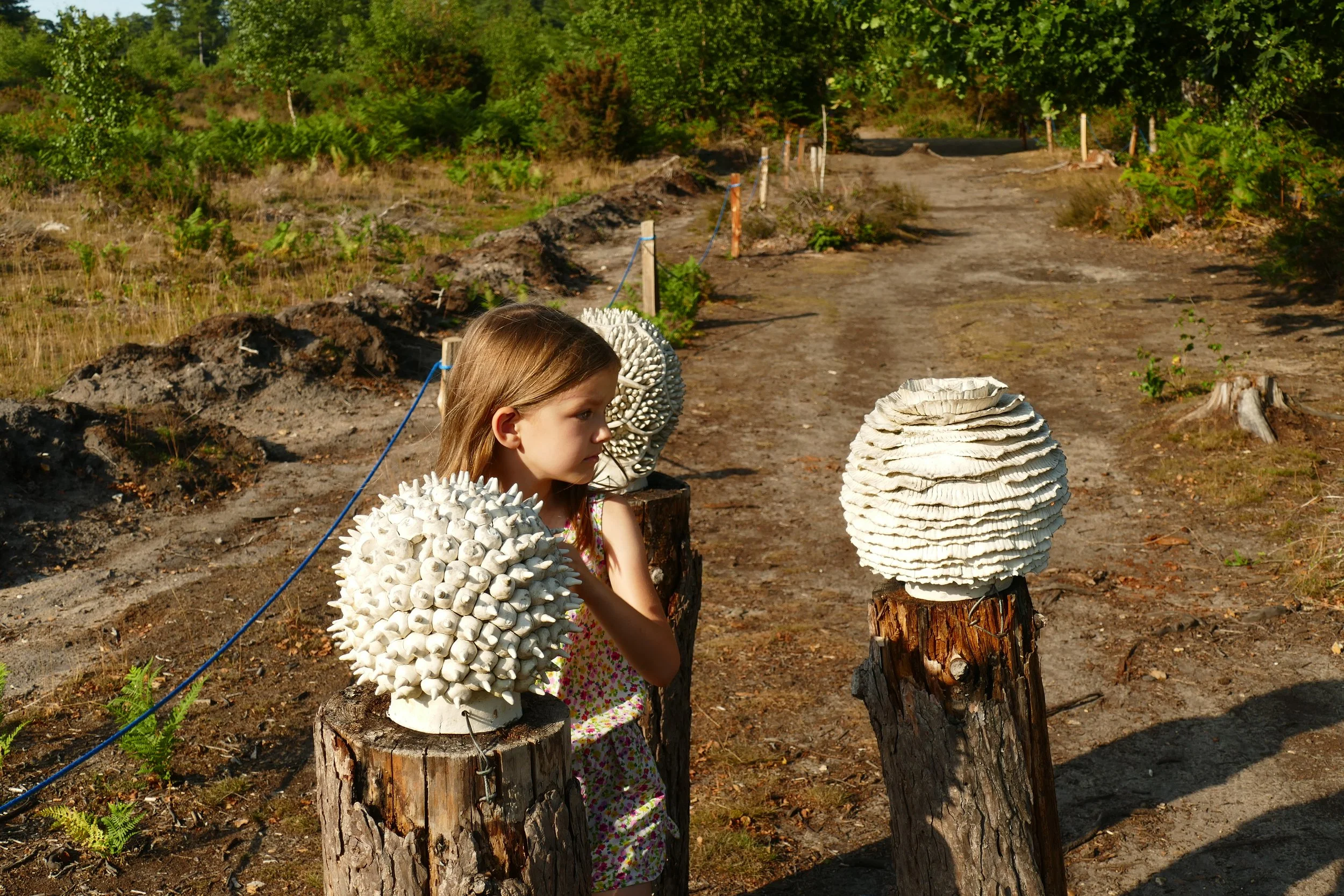
Children will enjoy finding the artworks displayed around the Heath from June to October.
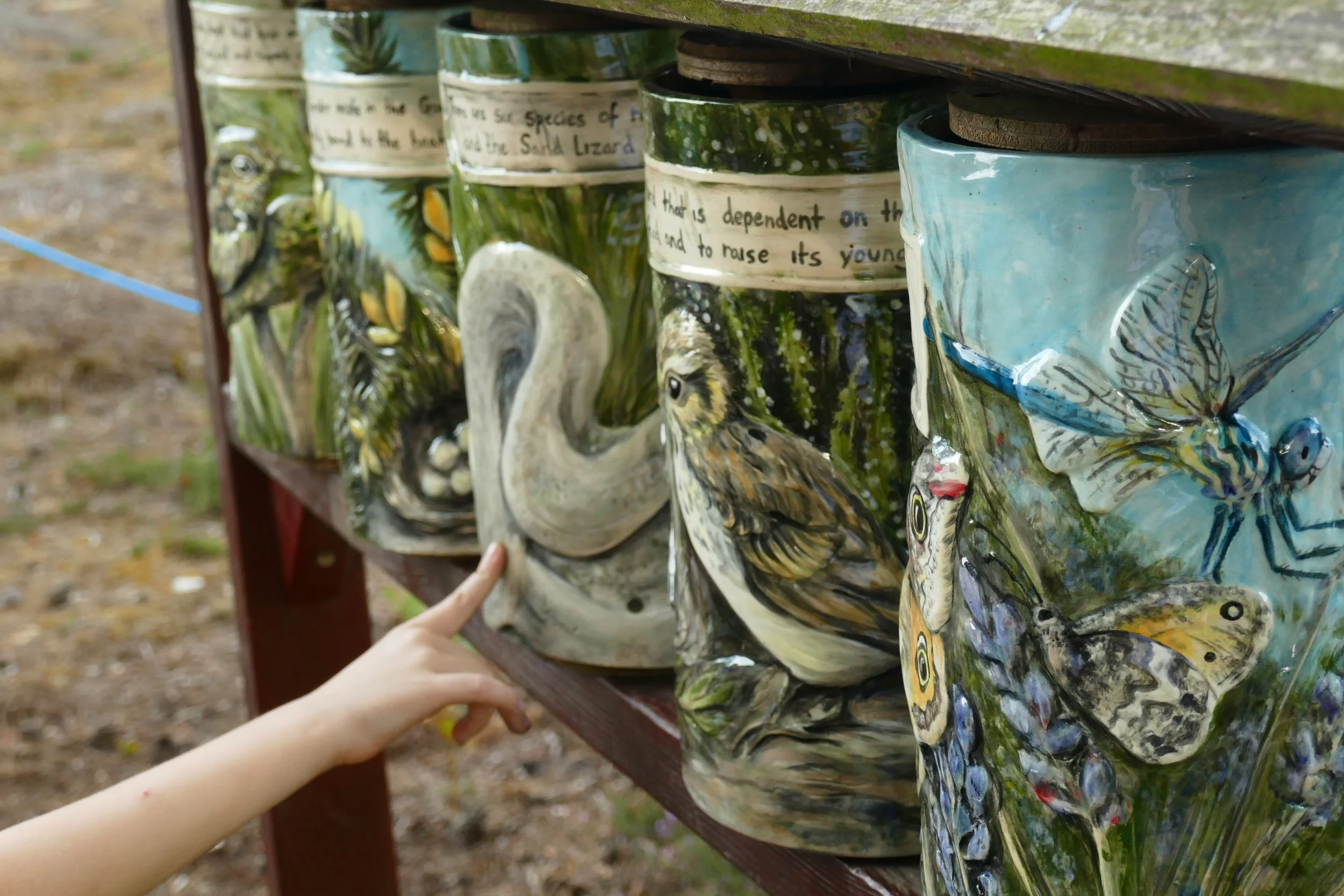
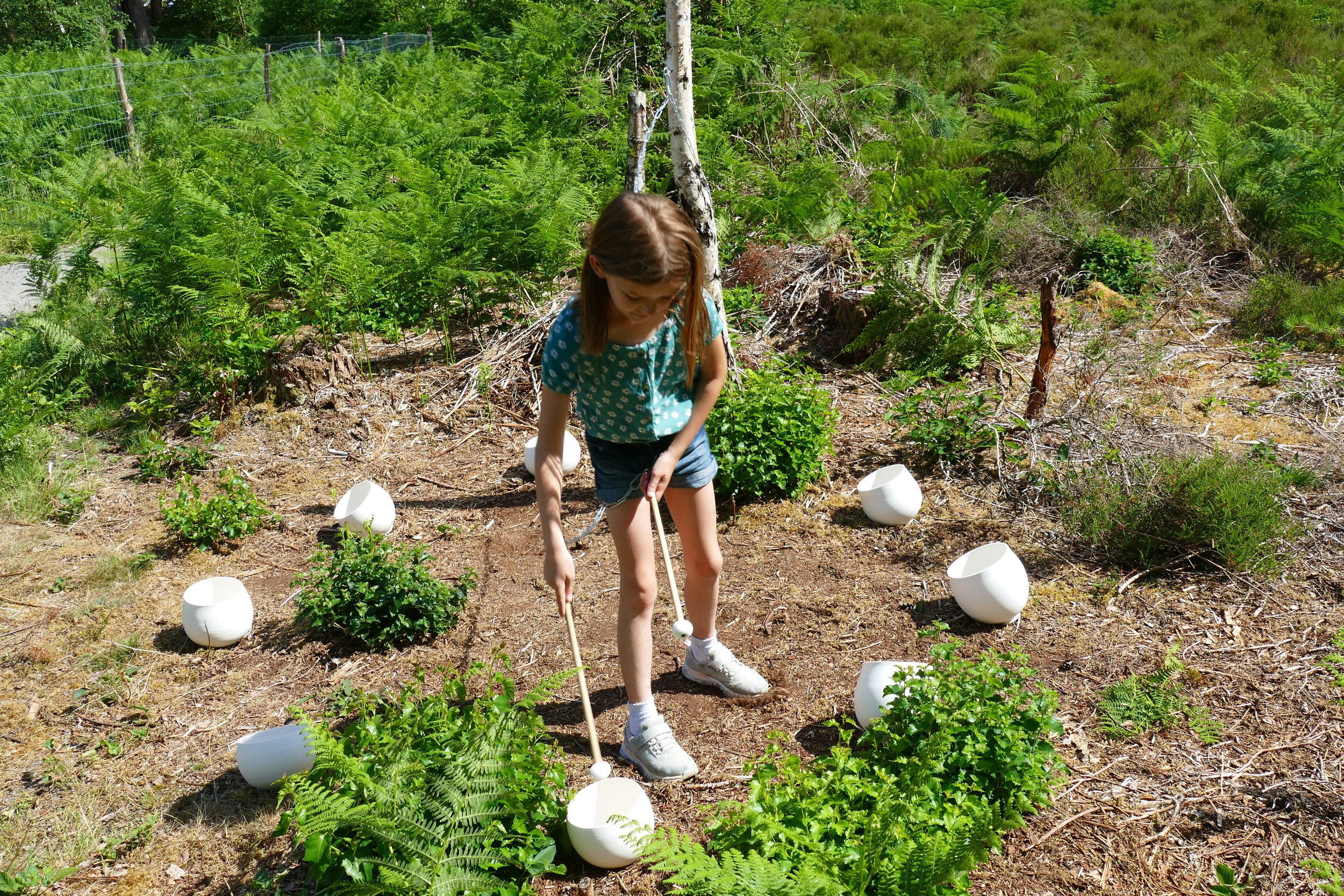
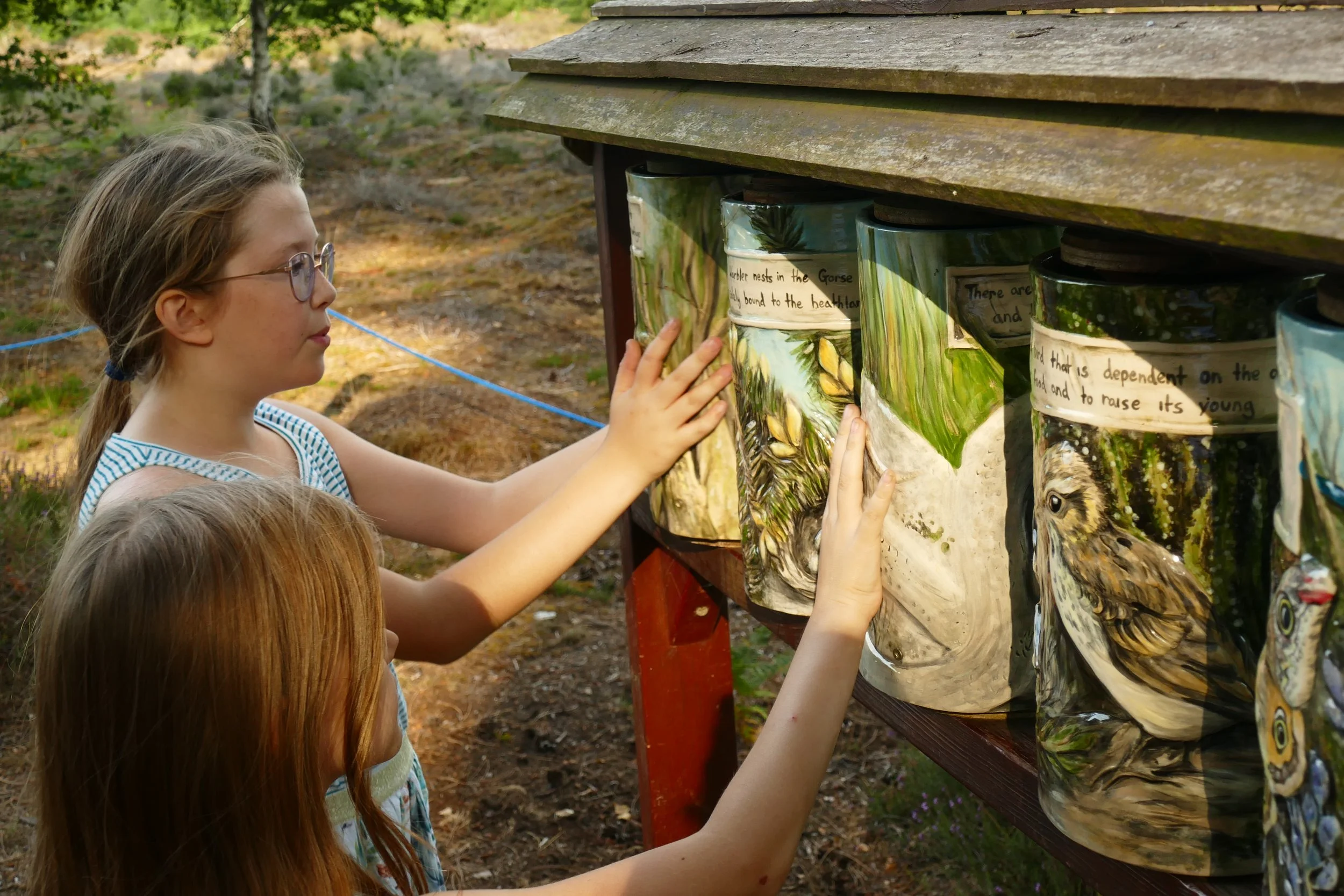
Some of the artworks have interactive elements
The Basics
Time: 45 minutes
Distance: 2.6 km / 1.6 miles
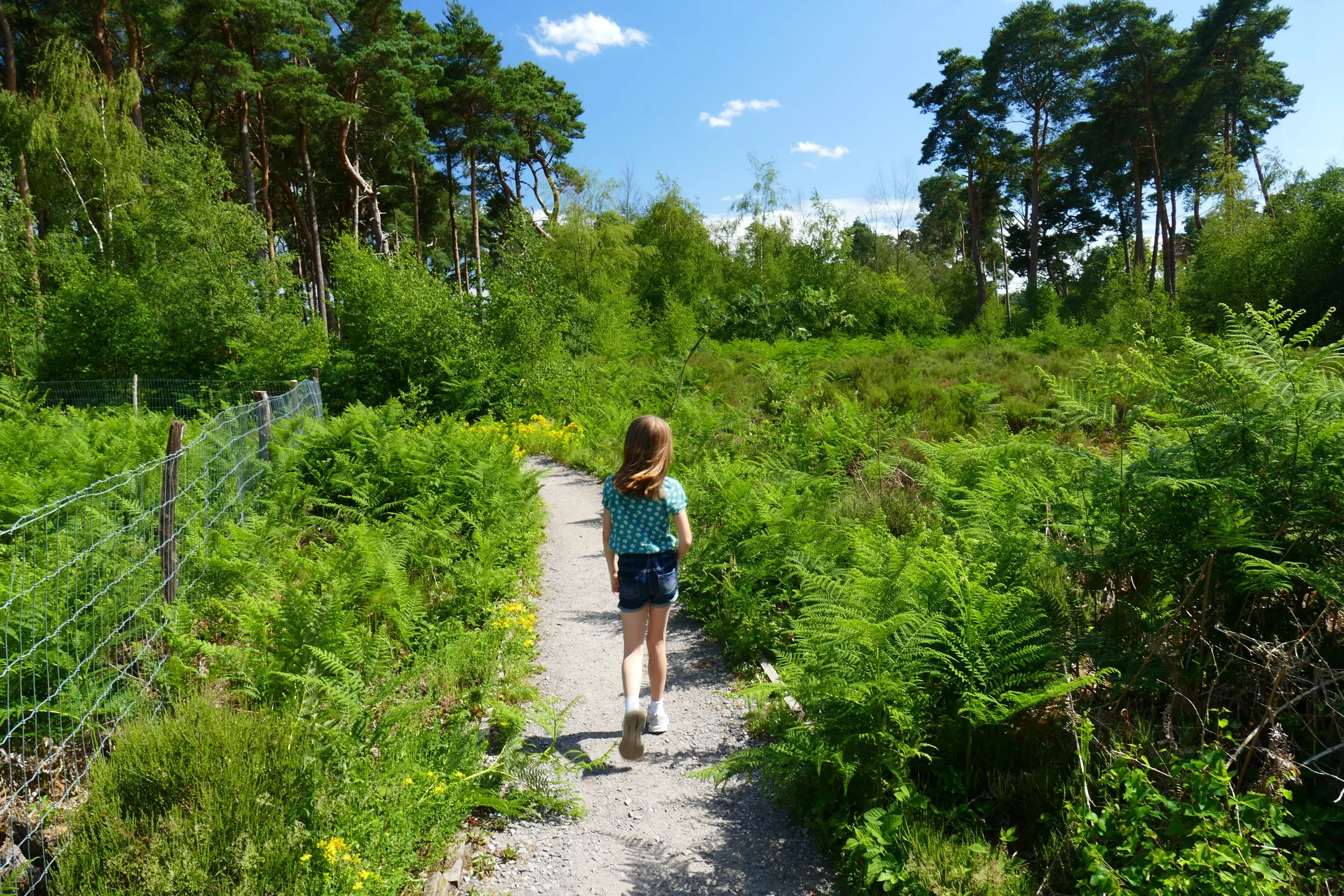
Terrain: Mostly firm, flat and wide sandy heathland paths with one section on rougher, sandier ground with tree roots.
Pushchairs: Most of the route is suitable for pushchairs, with one short section on sandy ground with exposed tree routes which will be more challenging.
Dogs: Dogs are welcome on this walk, but should be on leads as this is an RSPB reserve.
Refreshments: The Market Garden Cafe at the Rural Life Living Museum is open to the general public.
Toilets: There are no public toilets unless visiting the museum.
Public Transport: There is no public transport to this location.
Parking: During their opening hours, visitors to Farnham Heath can use the Rural Life Living Museum car park. Outside of this time, there is space in a lay-by on The Reeds Road, just east of the entrance to the museum (Postcode: GU10 2DL - W3W: ///scrapping.shelf.nearing)
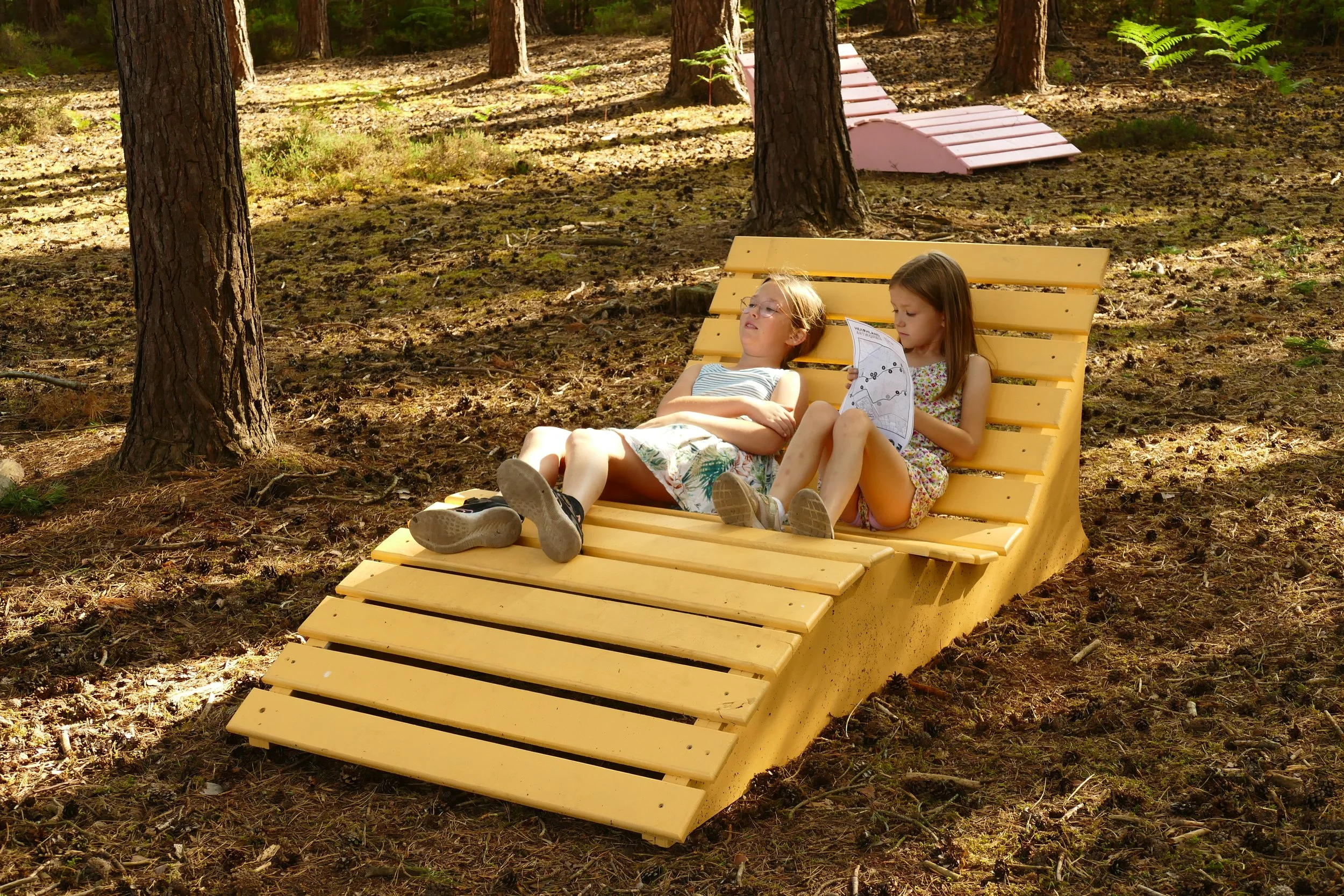
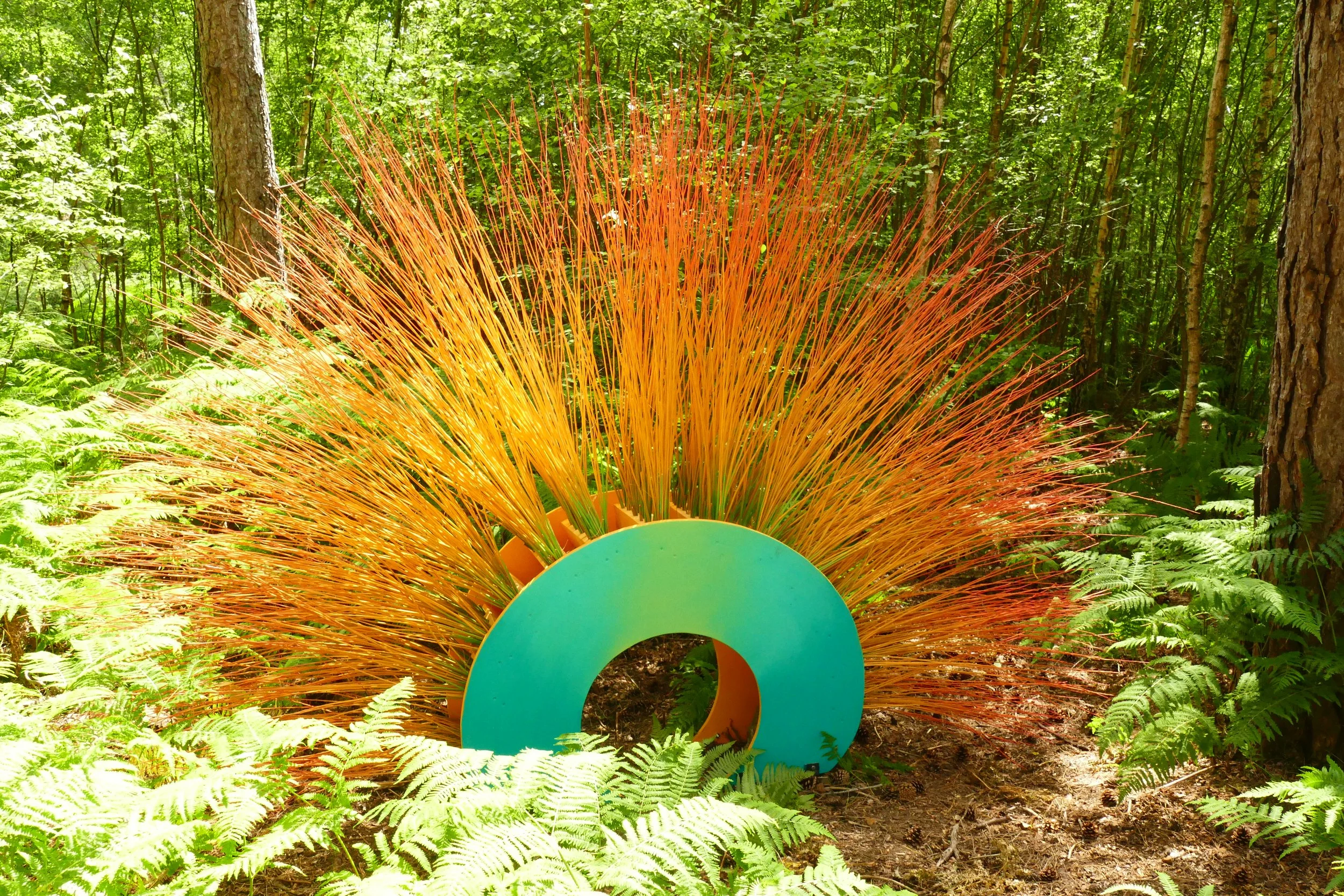
This was our favourite installation!
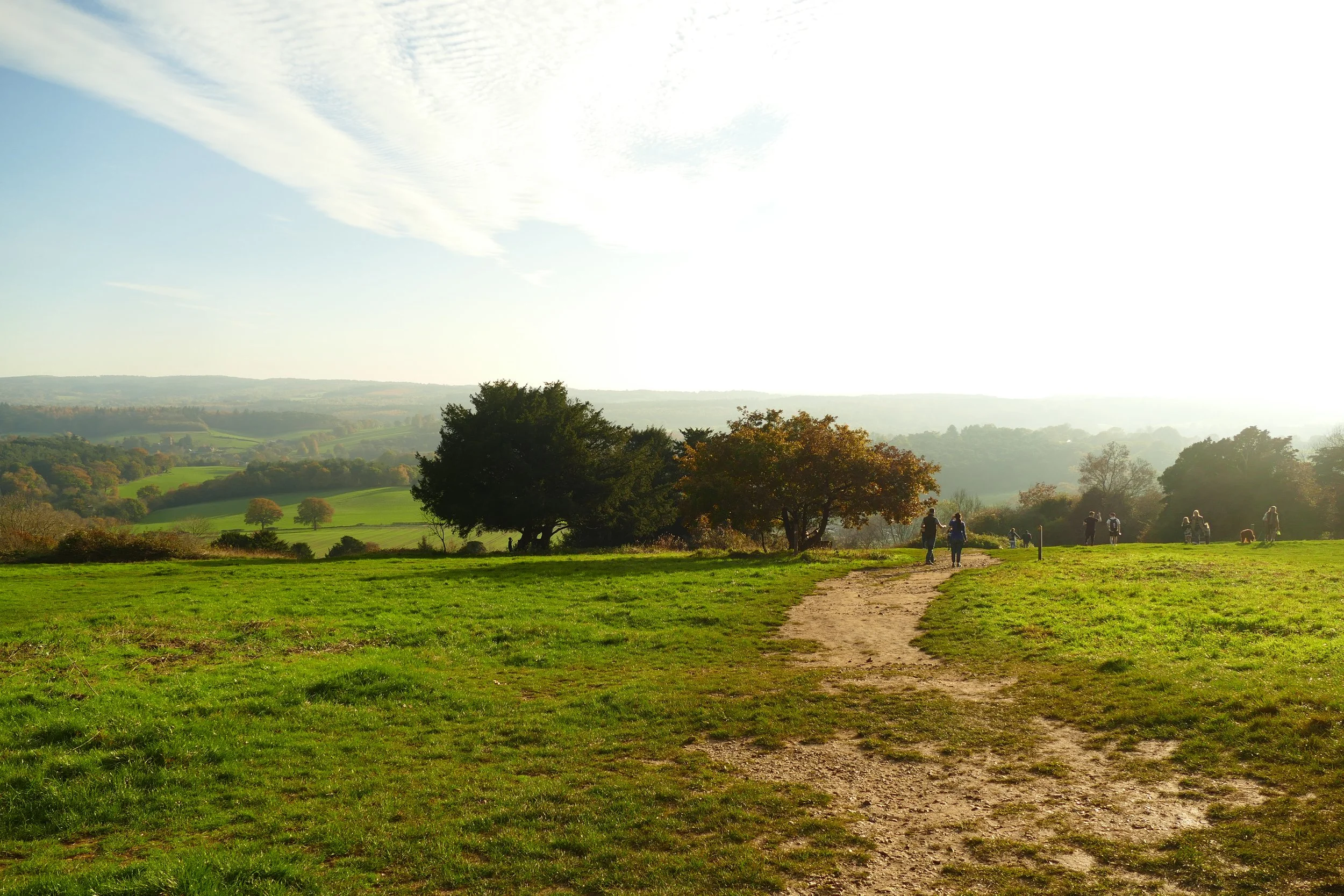
Farnham Heath is a stunning heathland nature reserve managed by the RSPB with great views across the Weald. From June to October each year, you can enjoy the Heathland Artworks Trail where students from the University of Creative Arts display their imaginative and innovative installations.
The Route
The following is a circular walk around the heath that can be completed at any time of year. From June-October, it will also take you past all of the artworks on display.
Please do not touch the artworks unless the signs invite you to do so by the noticeboards.
At the far end of the museum car park, you will see a large blue sign welcoming you to RSPB Farnham Heath. Take the path beside the sign and walk in a straight line away from the road. At the junction, turn right and continue until you reach a T-junction with a wide, straight track.
Turn right and walk down the track, heading back in the direction of the road. Approximately half way along the track from your starting point to the road, take the left hand path onto the heath that is bordered by blue ropes. When you reach a cross path, continue straight across.
The path now becomes sandy and uneven and twists it’s way through the semi-wooded heath. Follow the path when it veers up to the left and becomes even sandier. At the top, you will reach a long, straight and better surfaced track.
Turn left at the track and follow it in a straight line across the top of the open heath. Just after a wide, straight track to your left, the path will fork. Keep right and continue forward all the way to the gate at the edge of the heath. Cross the wide access track and re-join the path on the opposite side by going through another gate.
This path will begin straight and then bend to the left before bringing you down to a cross path. Keep left at the cross path by the dog poop bin and go through the gate to your left. Turn left after the gate and you will soon find yourself back where you started. Turn right down the pathway to get back to the car park.
If you parked in the lay-by on Reeds Road, go around the gate and walk straight up the path heading away from the road. Go through the gate and continue straight until you reach a cross path with the blue ropes to your left. Turn right and join the route at step three above.
This PDF details the artworks for 2026 and is available from the Surrey Hills Arts website for free and details each of the artworks.
A PDF version of the route description and information on this page in is available to our members in their PDF library.
Gain access to the member's only area of our website where you will find the complete A-Z library of all our PDF files. This includes over 220 self-guided walks ready to print or download, as well as various children's activity sheets. You will also find a digital membership card, giving you access to our current discounts.
The 2026 artworks:
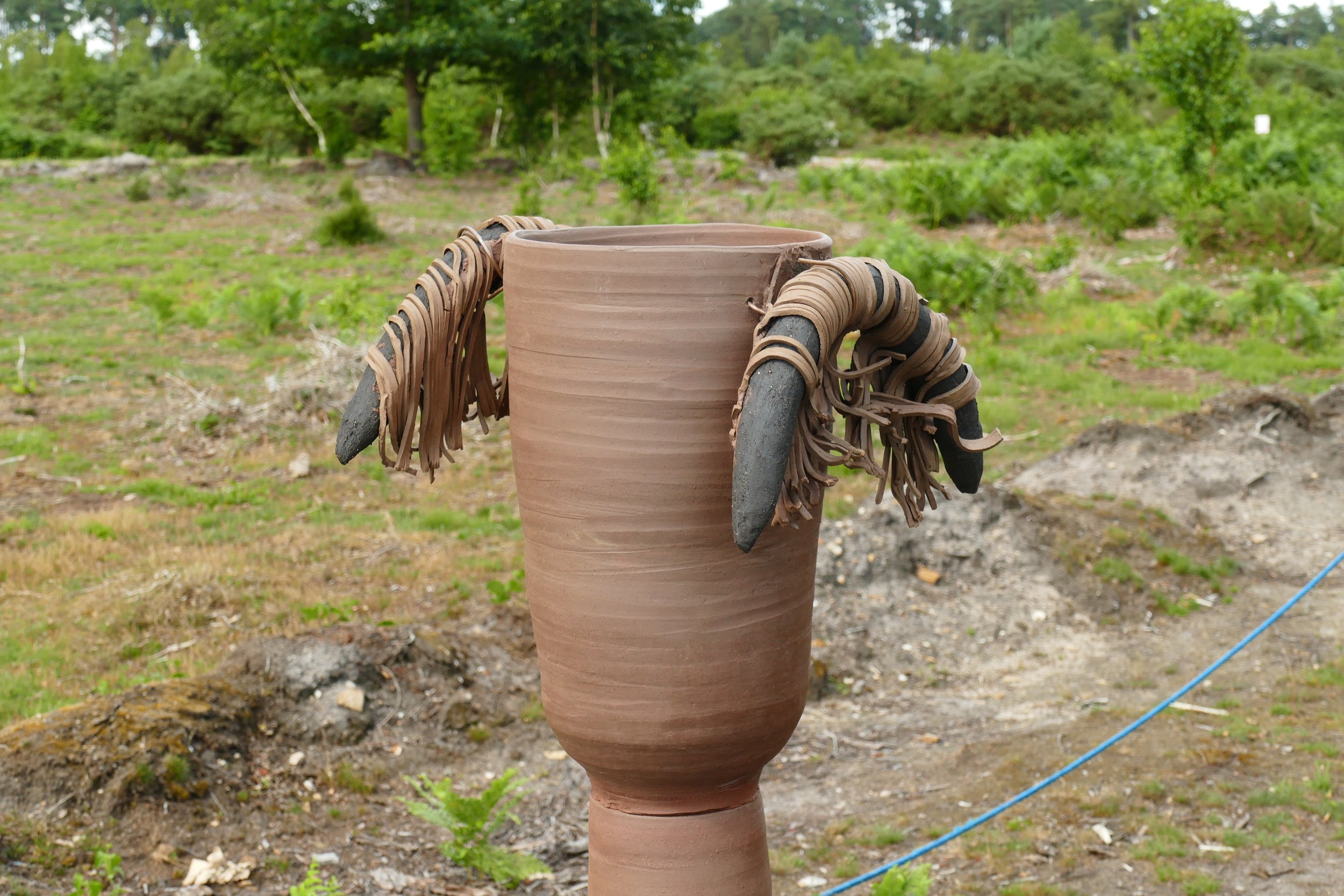
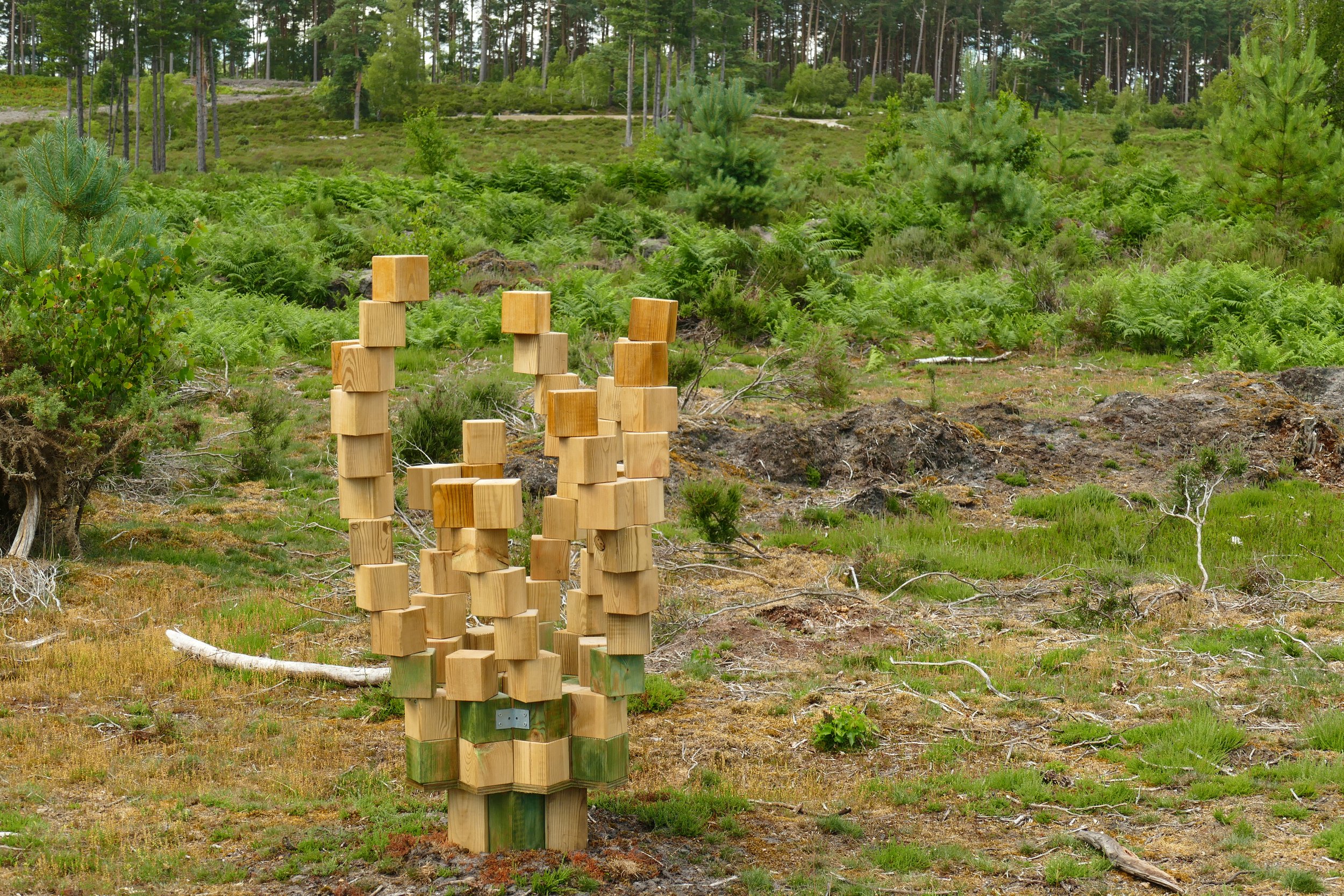
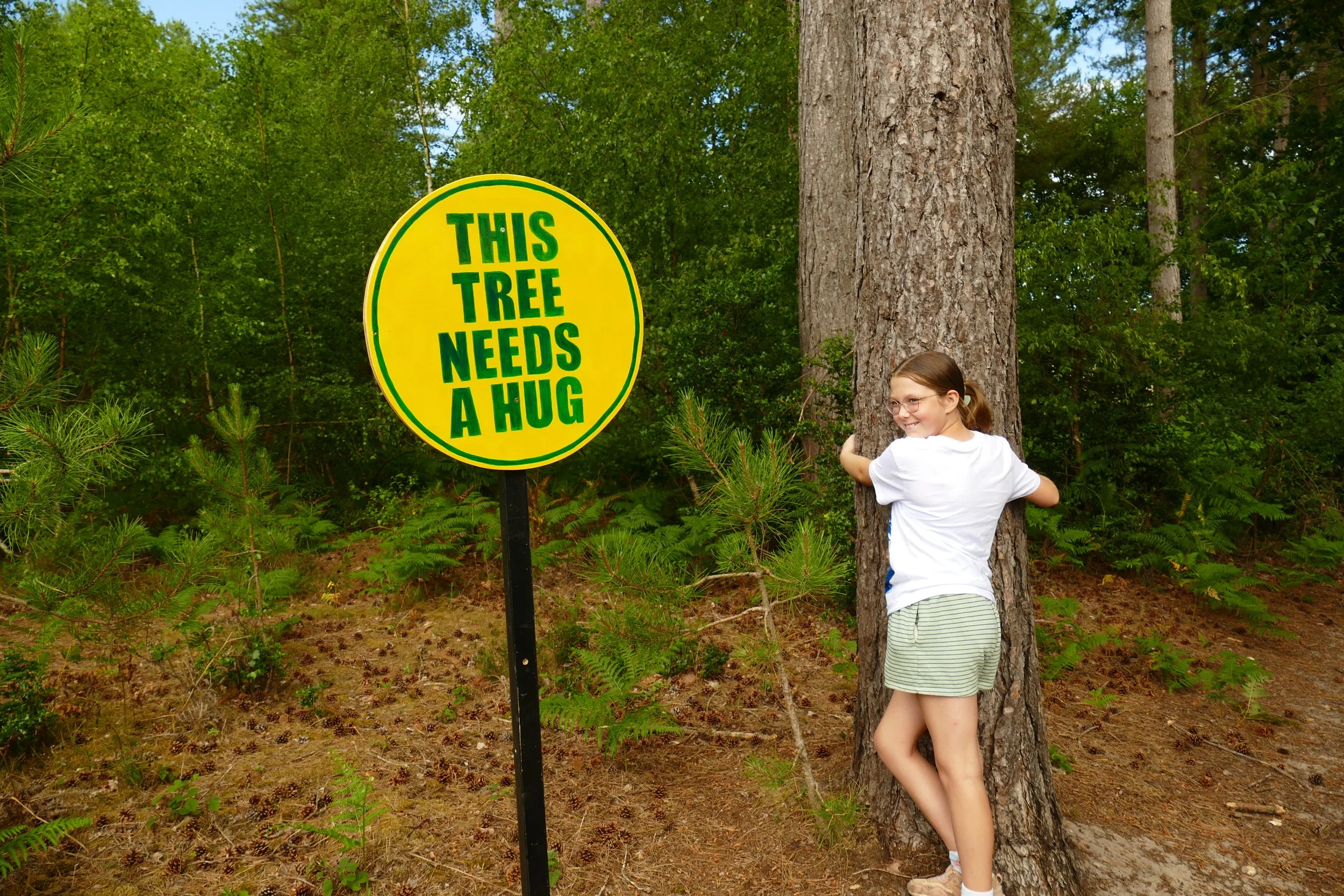
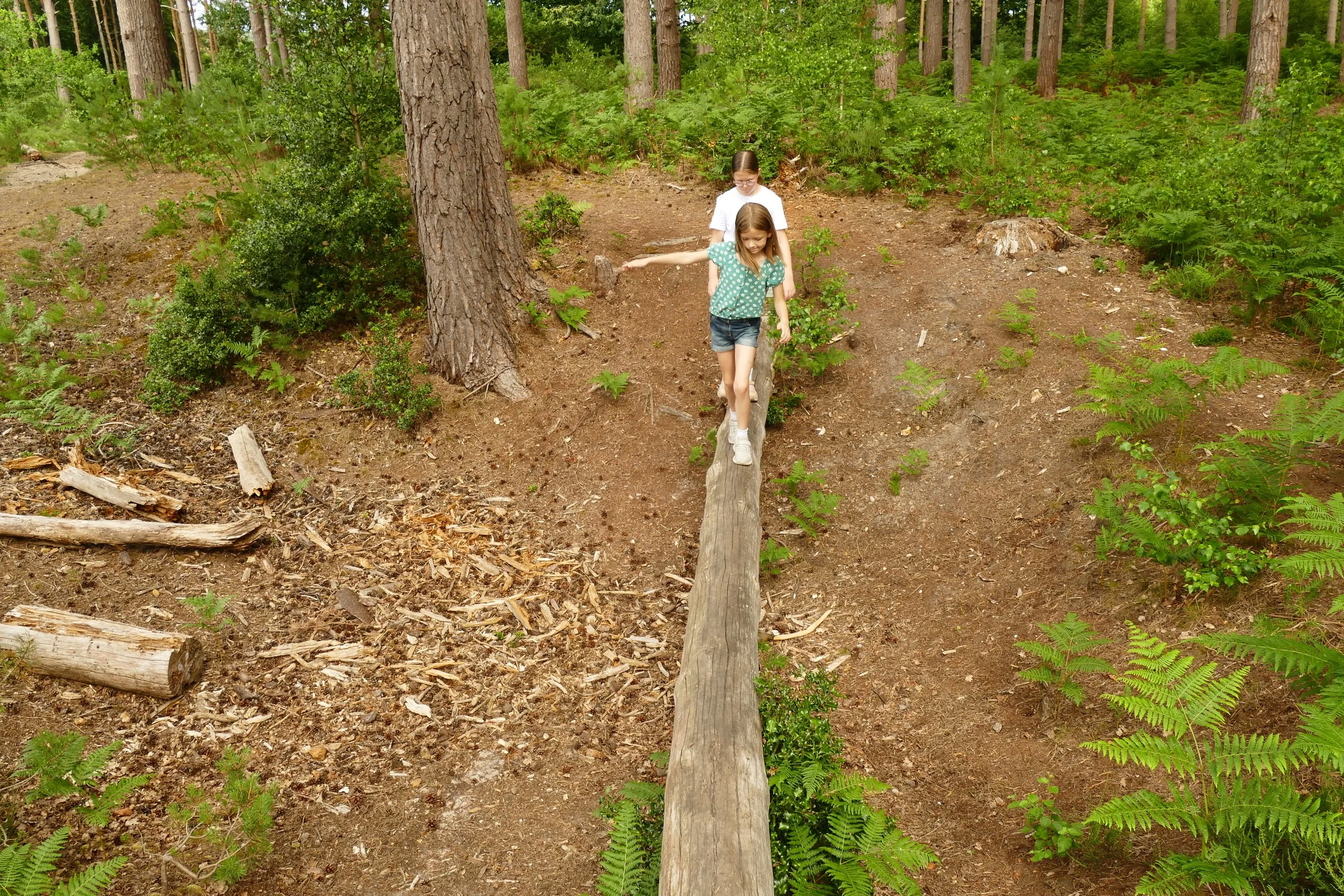
The 2025 artworks:
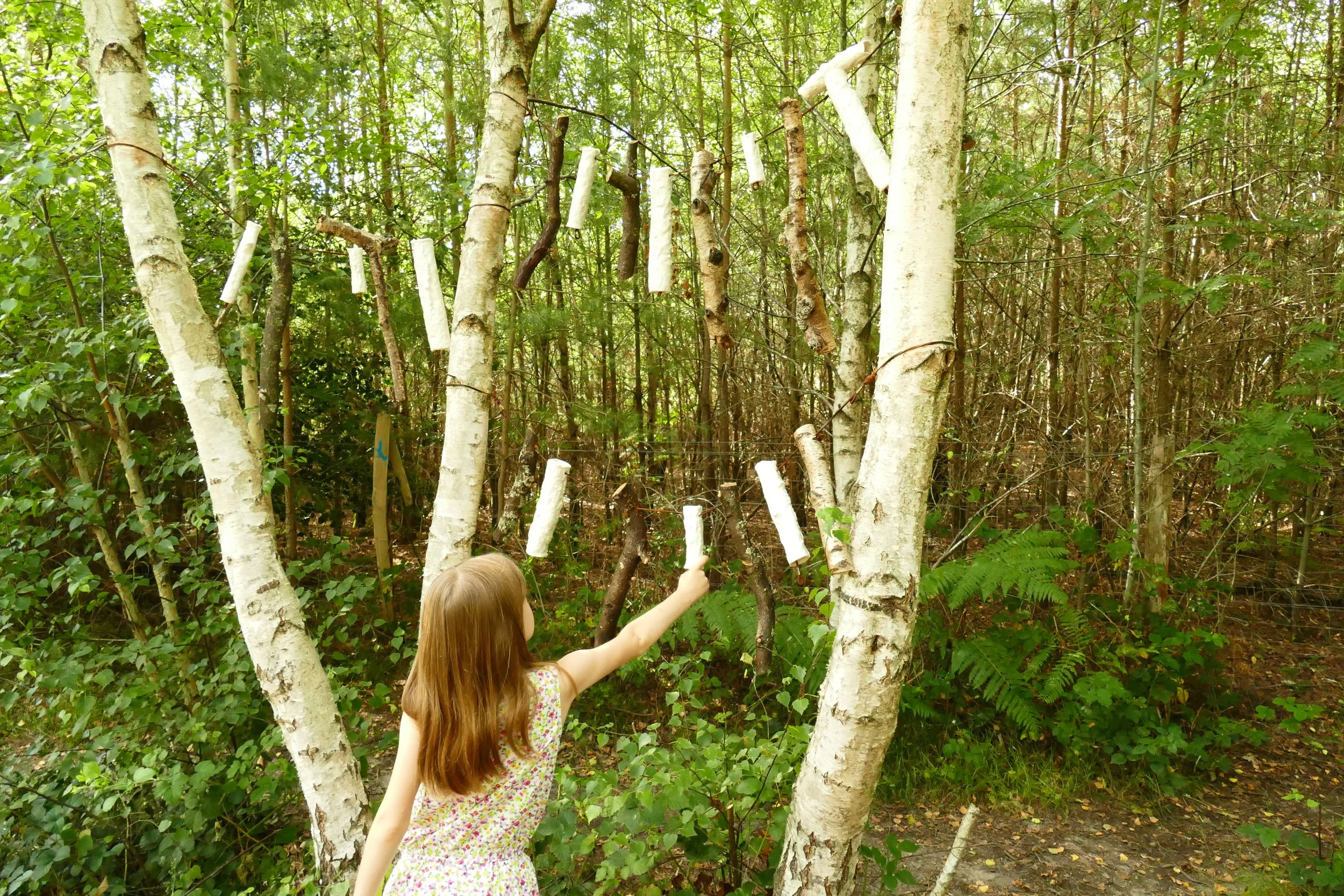

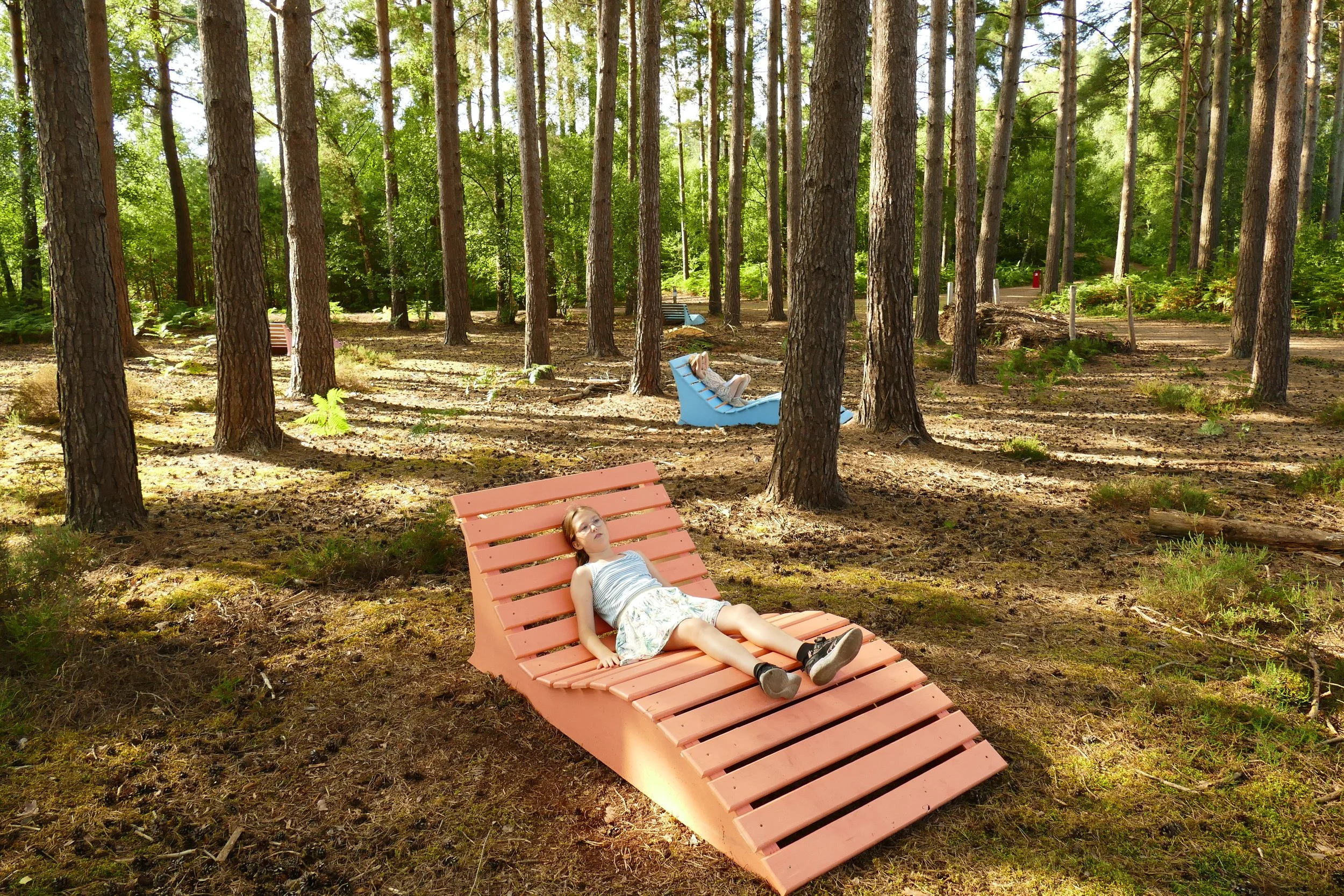

Did you know?
Farnham Heath is managed by RSPB who have restored the heathland creating habitats for native species such as Grayling butterflies, Woodlarks, Nightjars and Sand Lizards.
Follow us to see our new walks and get regular updates on our old ones: