West Wittering
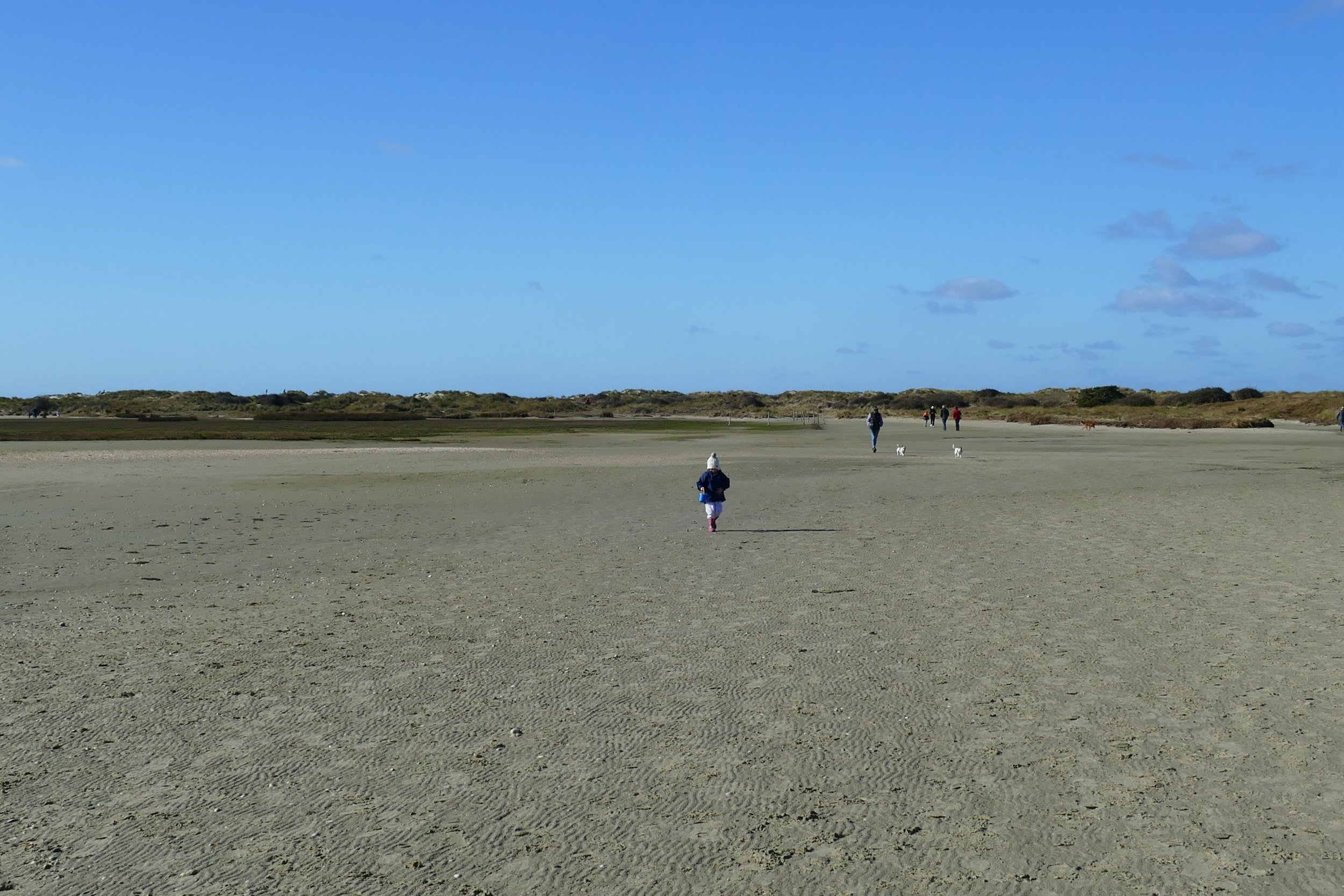
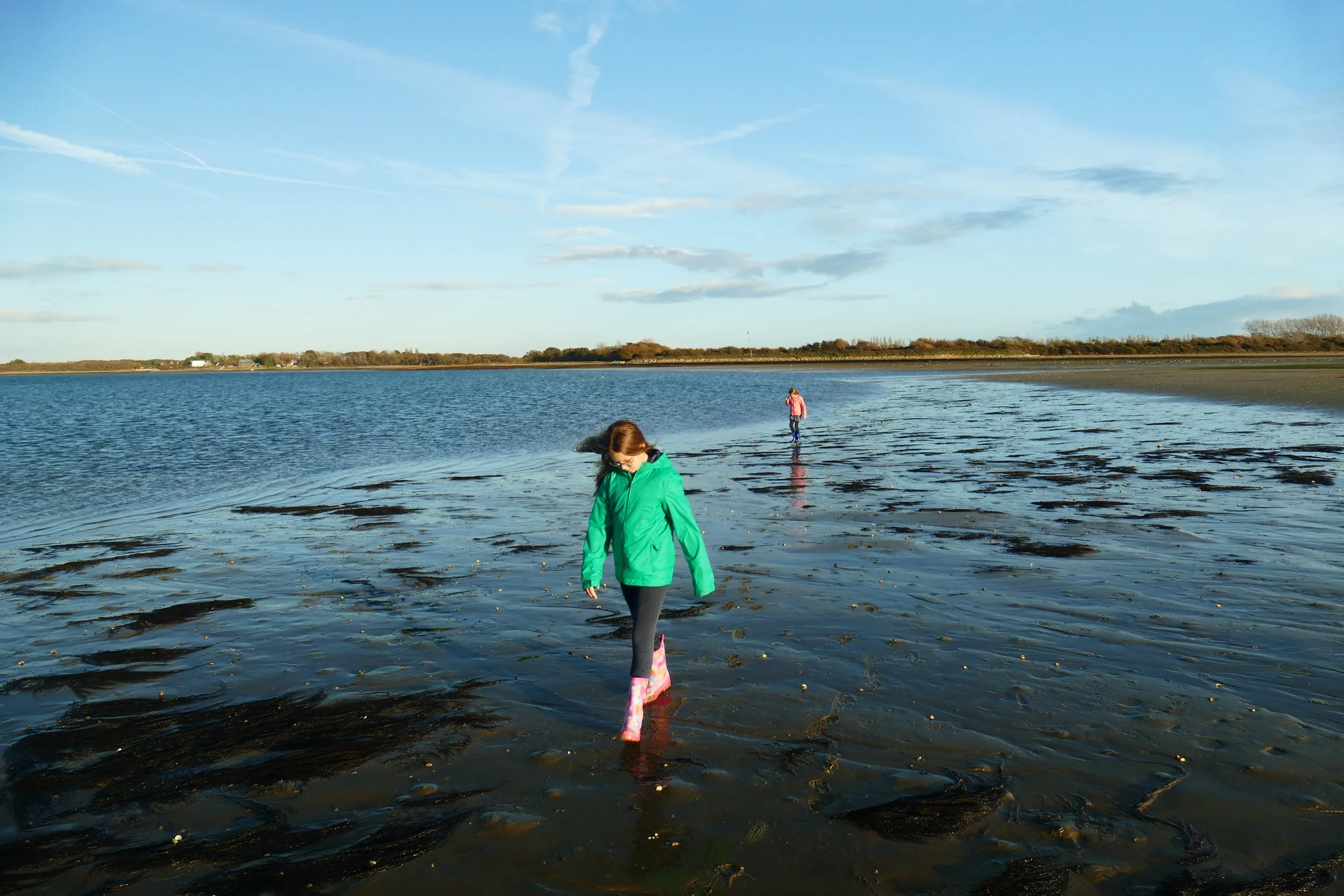
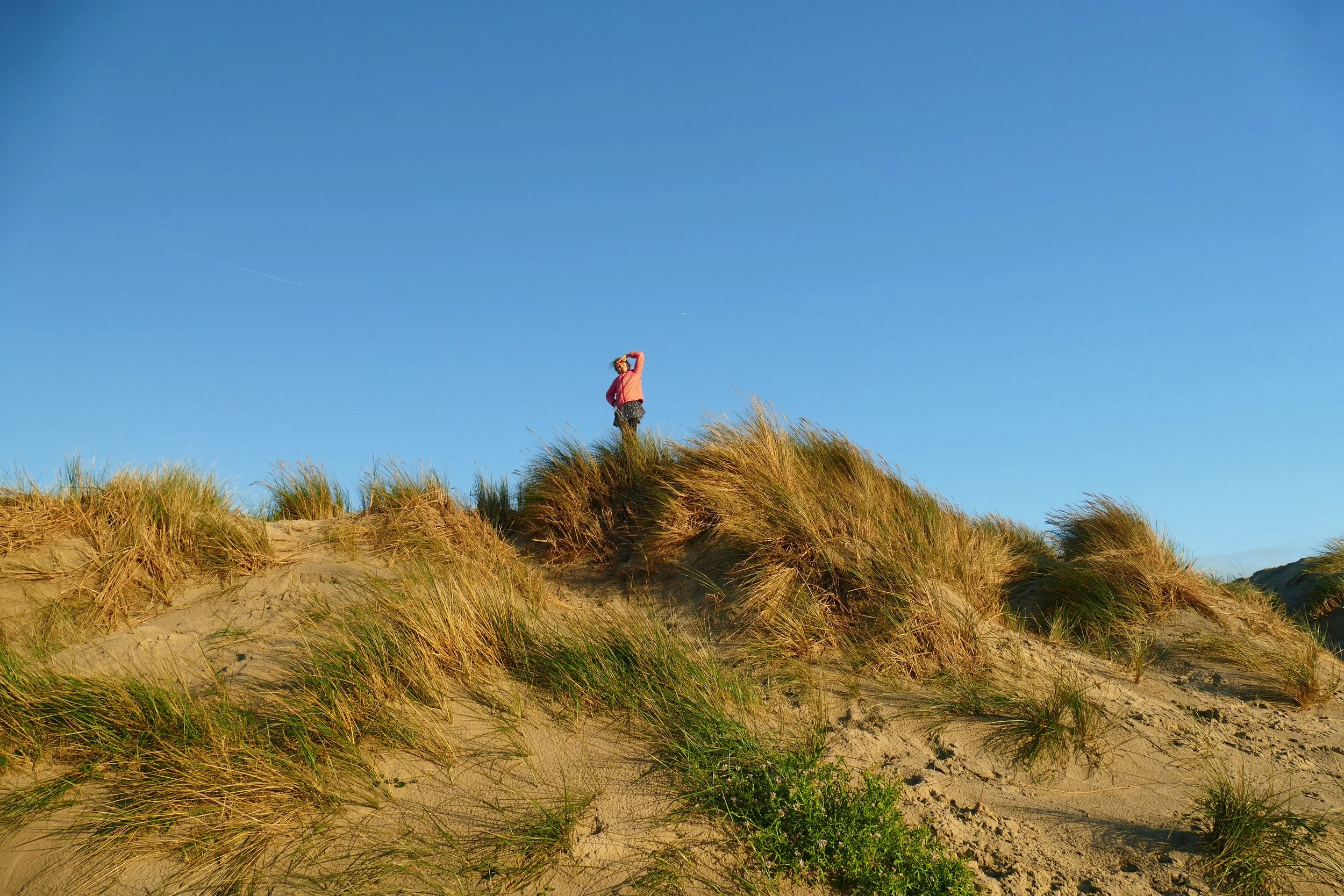
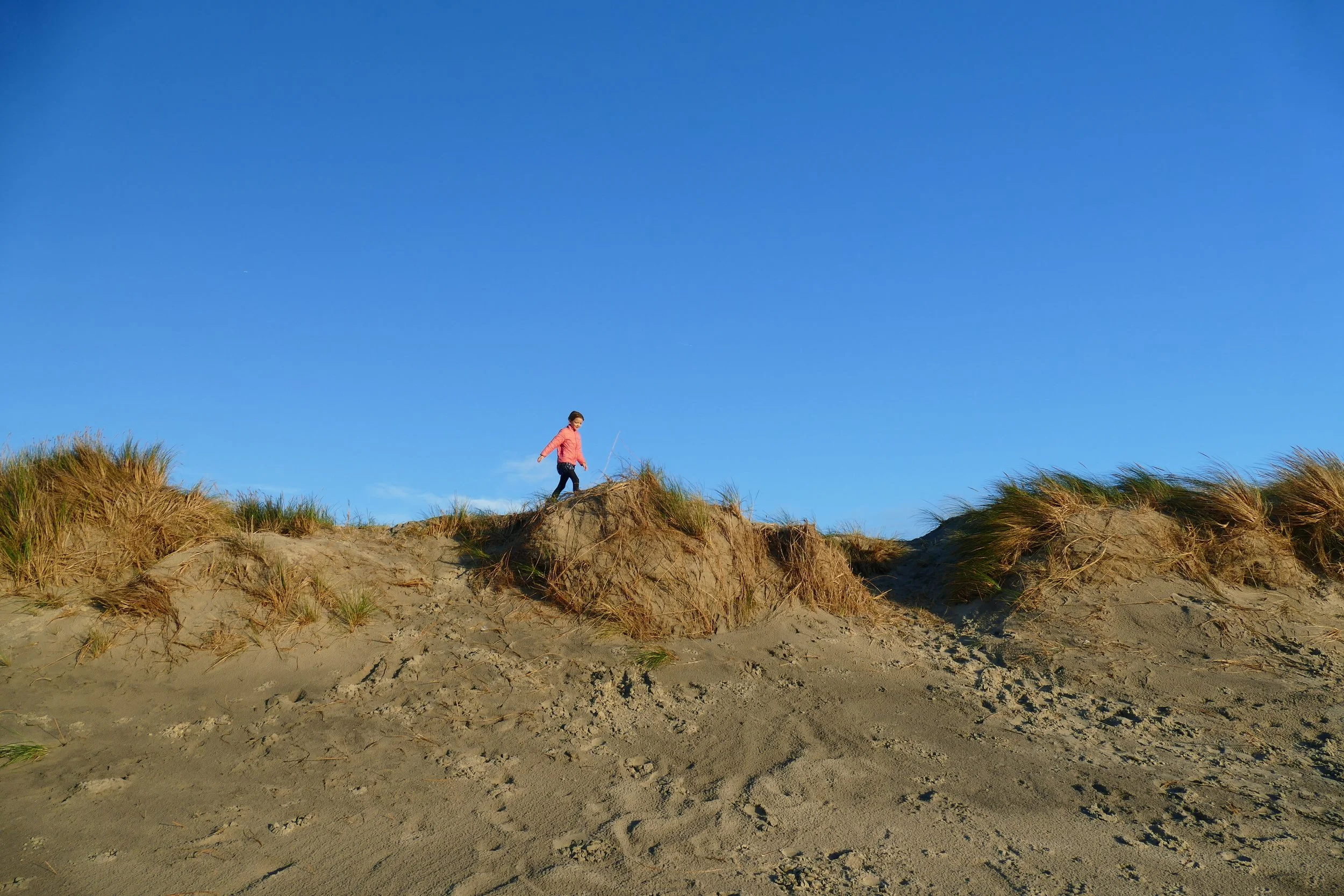
Children will enjoy exploring the dunes, playing on the sandy beach or even heading out for a swim on this walk.
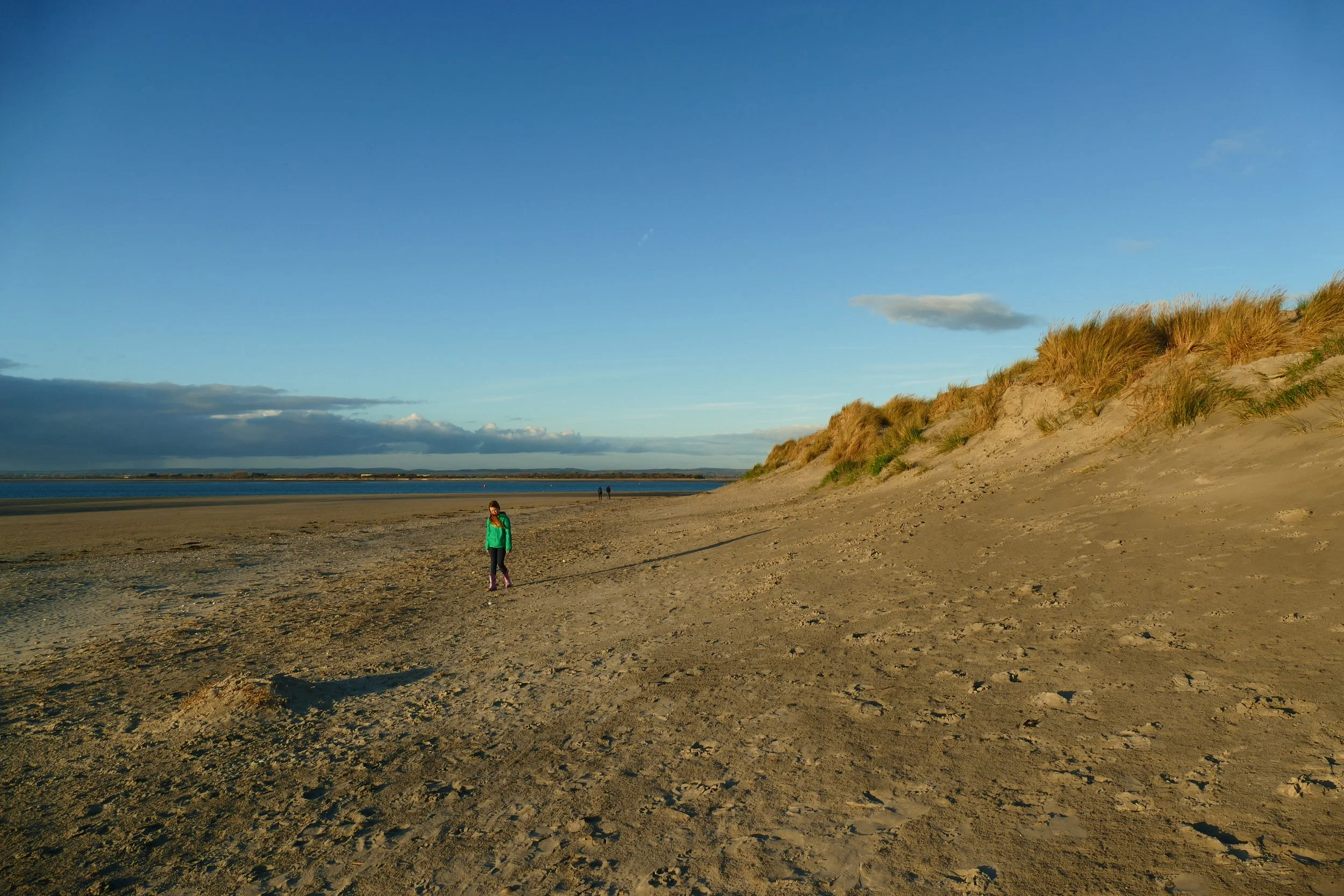
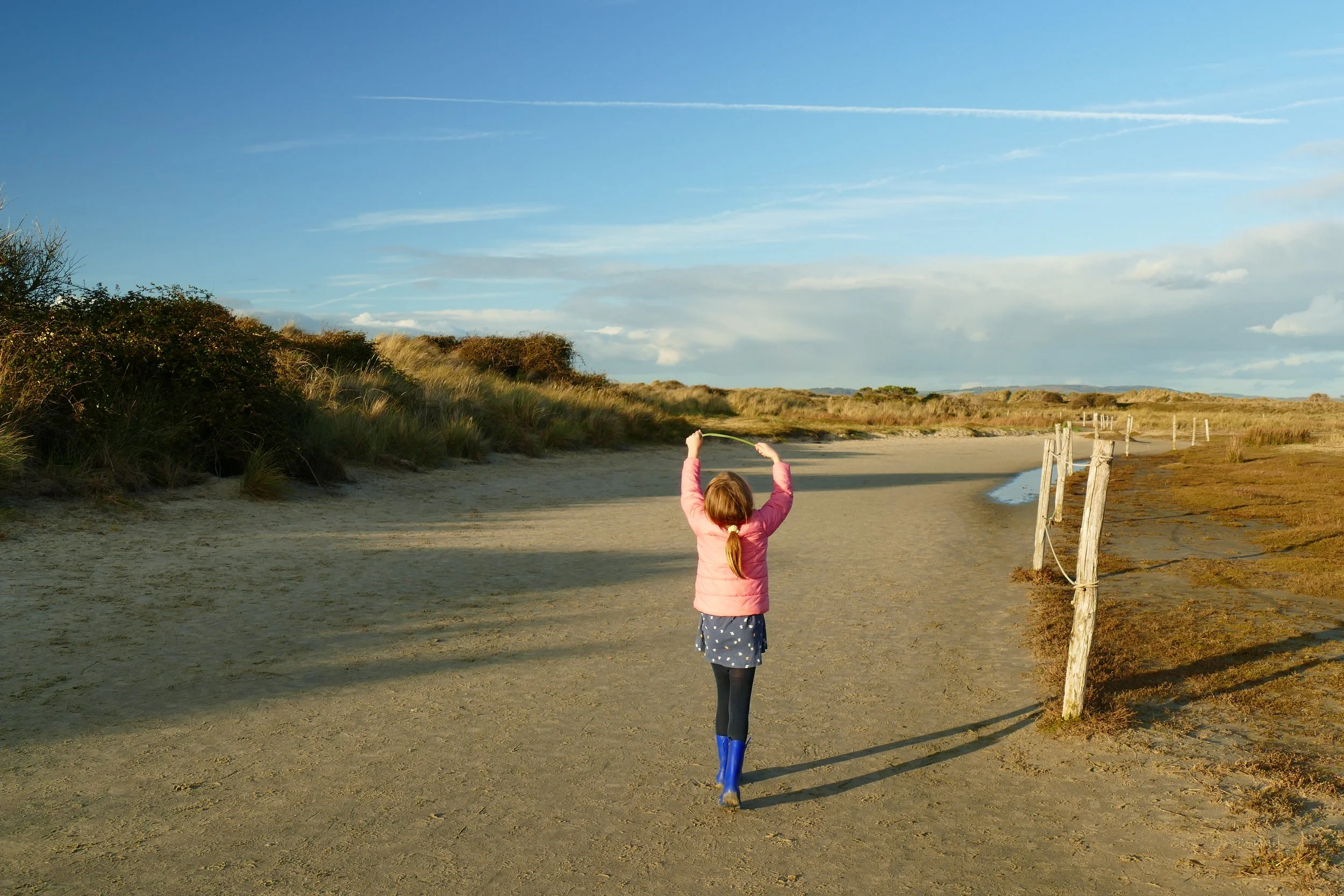
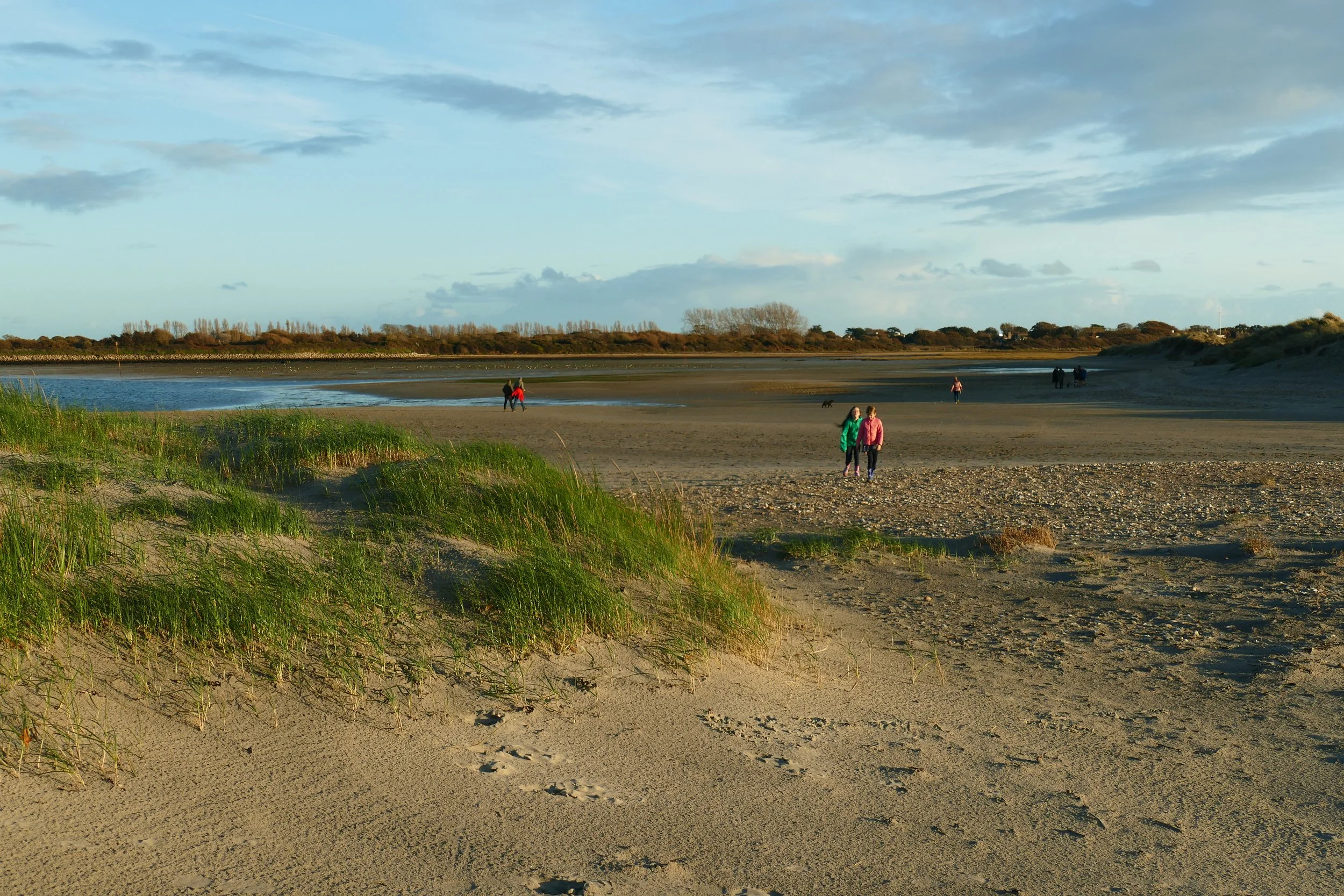
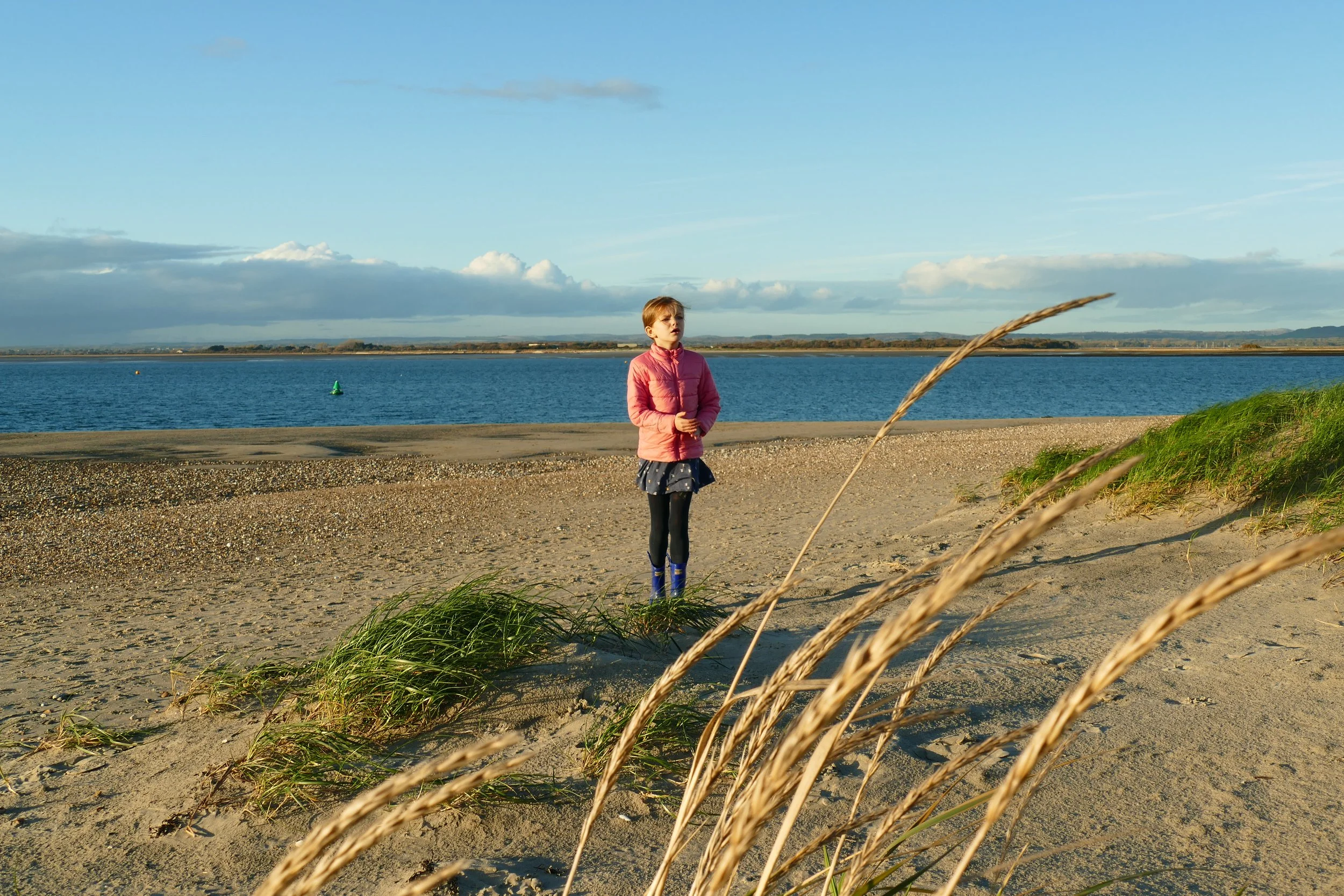
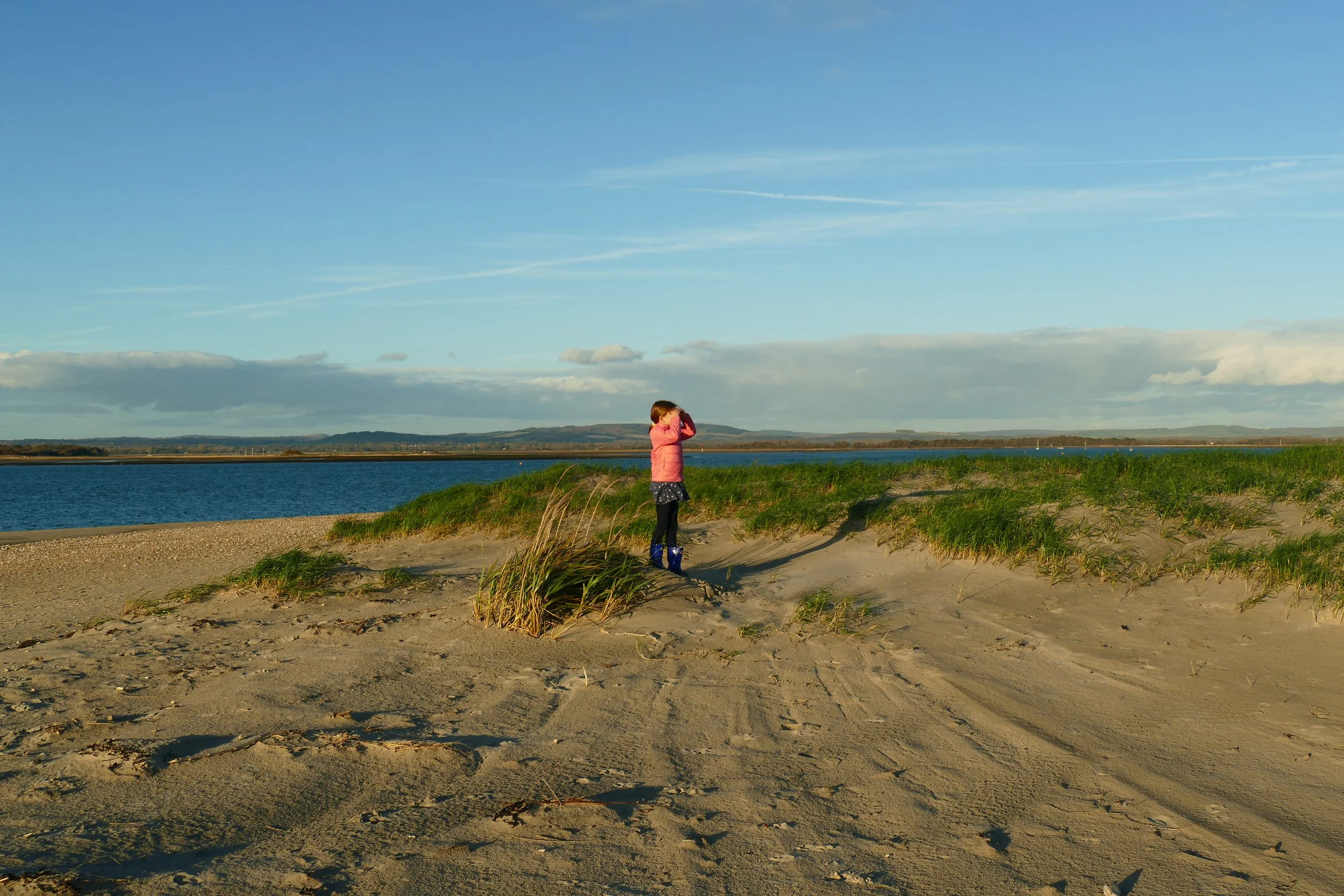
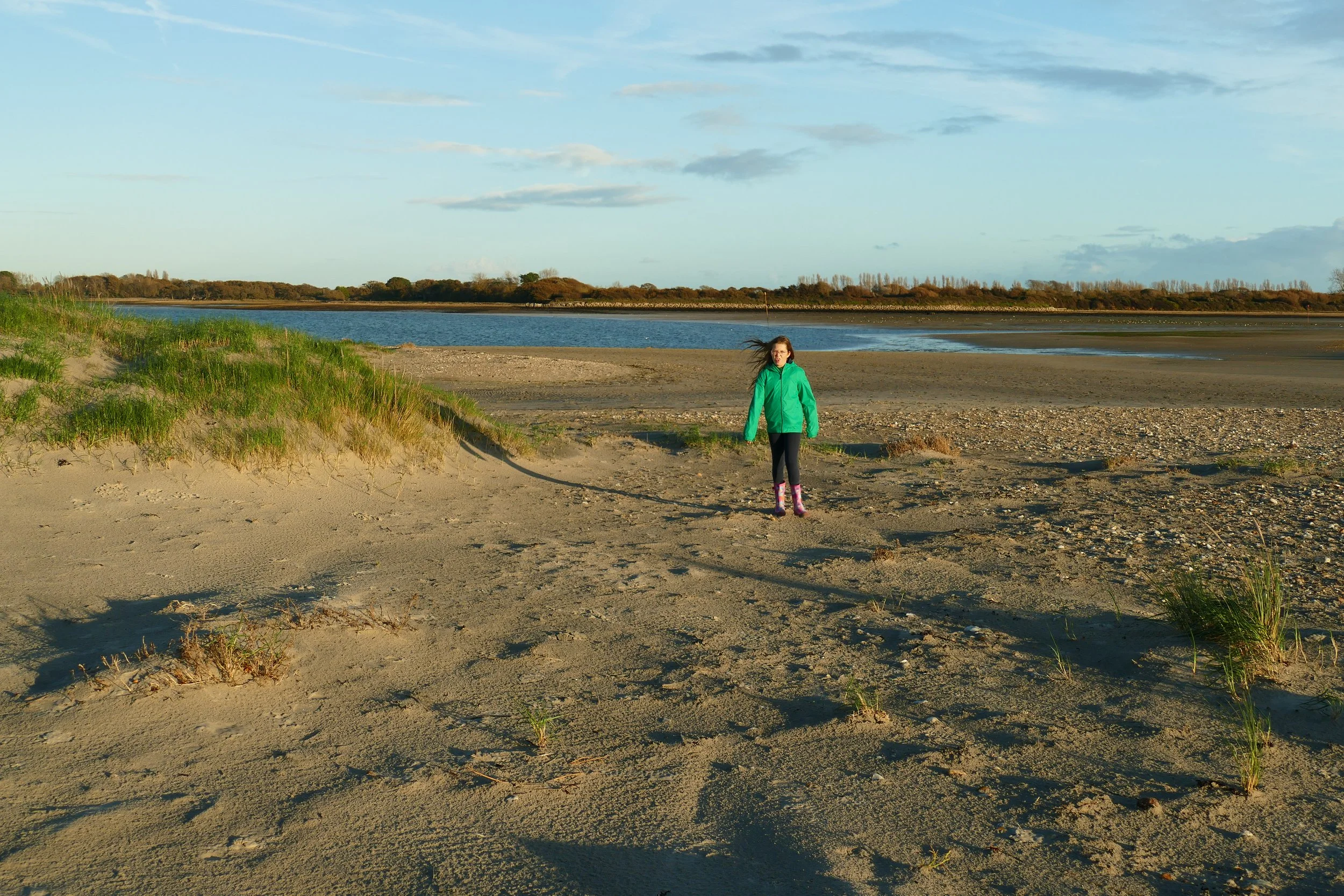
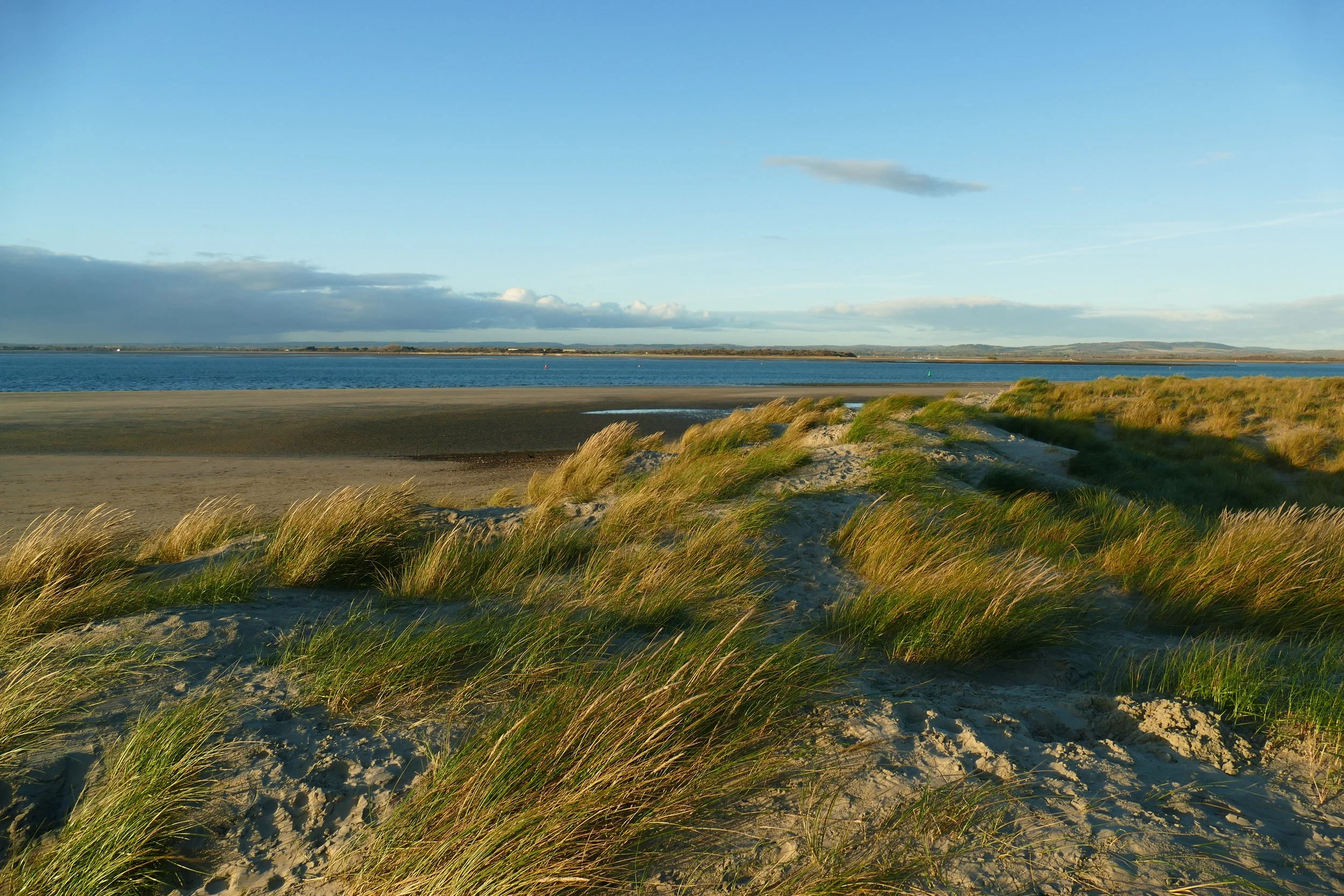
East Head is backed by sand dunes
The Basics
Time: 45 mins
Distance: 2.4 km / 1.5 miles
Terrain: Sand dunes and sandy beach paths.
Pushchair: The landward side of the spit is firmer and should be OK for pushchairs. The seaward side is sandier and would be tough for a pushchair.
Dogs: Dogs are welcome on this part of the beach but should be on leads or under very close control due to nesting birds. They should never enter the roped areas.
Refreshments: Beach Café in the car park.
Toilets: There are toilets in the car park.
Public Transport: Stagecoach service 53 from Chichester stops in West Wittering from where it is around a 25 minute walk to East Head.
Parking: West Wittering Estate beach car park. Park at the far eastern end for this walk. In the summer, prices are high and booking is advised. In the winter, prices lower but the best rates can still be achieved with advanced booking. Read more about parking prices at The West Wittering Estate here. (Postcode: PO20 8AJ - W3W: ///mailings.nurse.extreme)
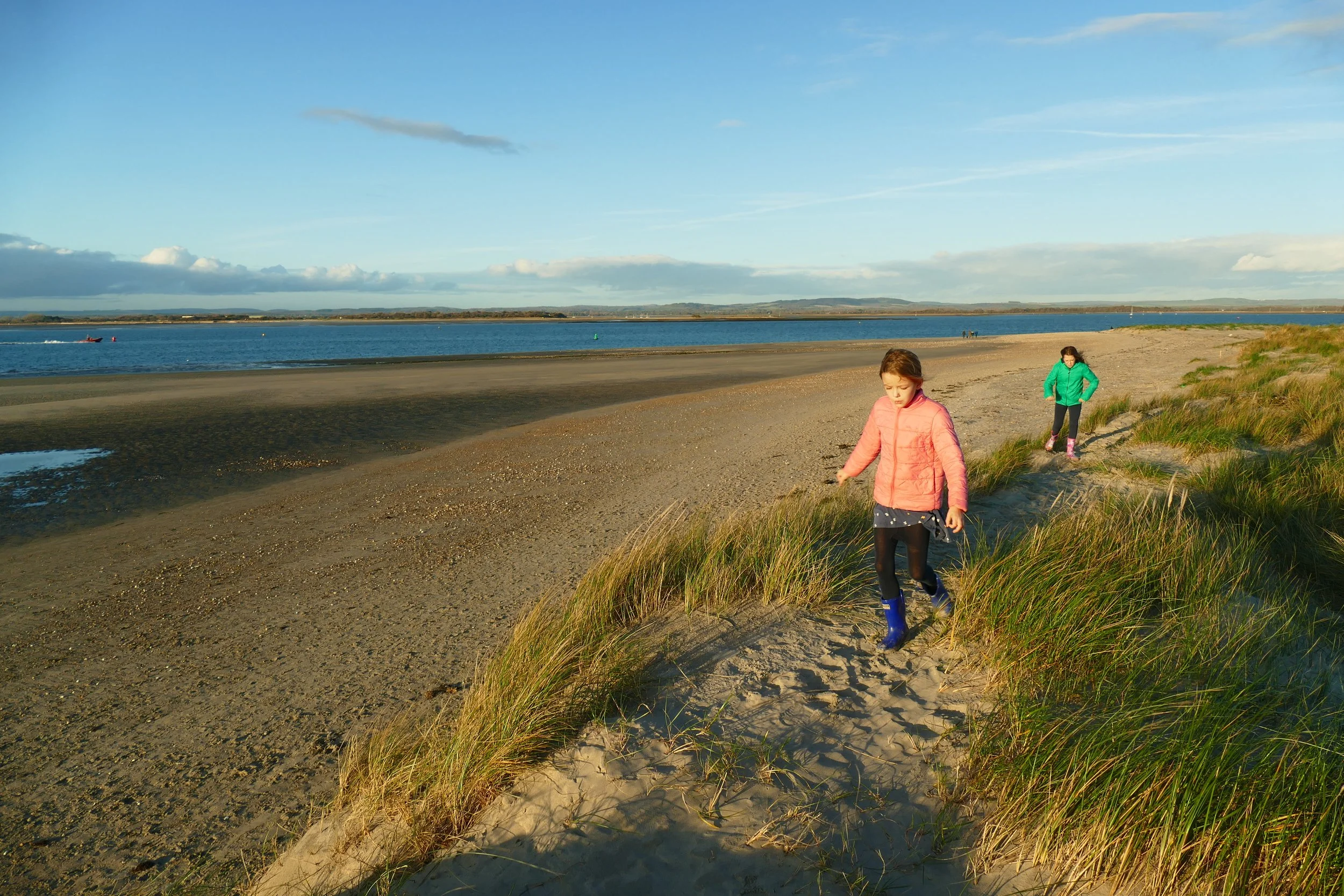
A rare sight of a sandy beach on the Sussex coast
In the summer months West Wittering pulls the crowds for its spectacular sandy beach. At the far end of this famous stretch of sand is a National Trust managed nature reserve with a special sand dune habitat, which makes a wonderful walk all year round.
The Route
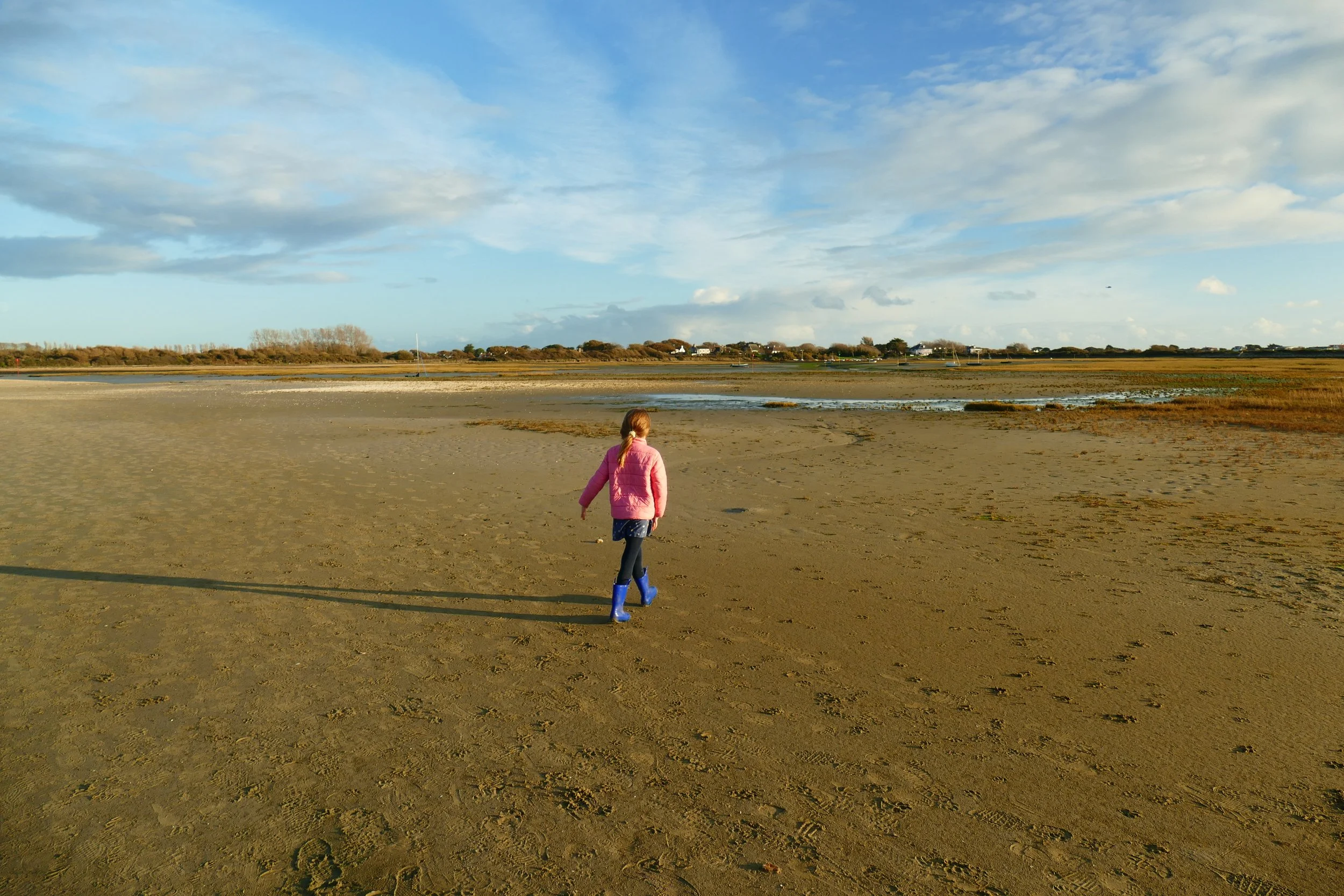
Although usually not impossible at high tide, this walk is best done at low tide, see tide times here
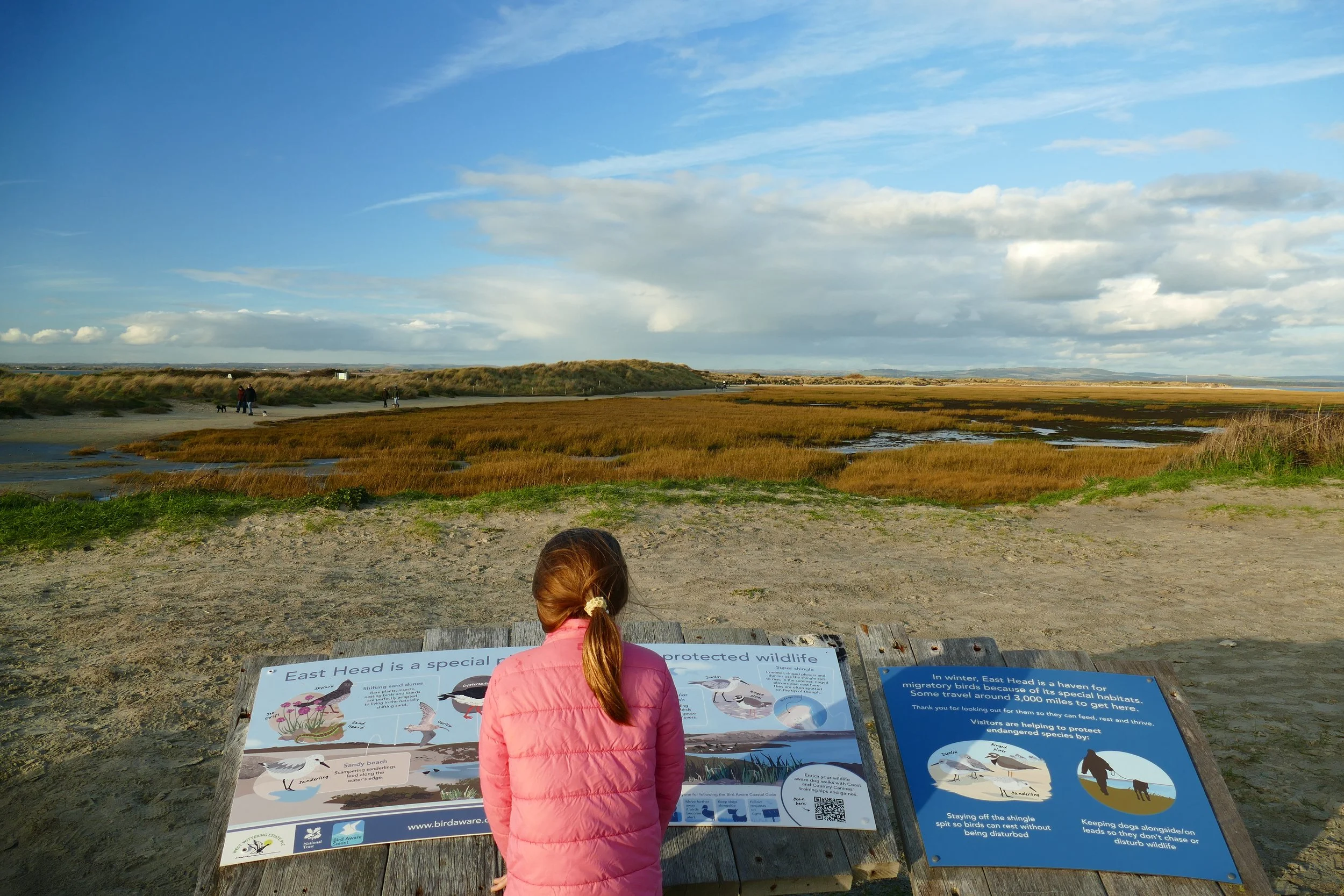
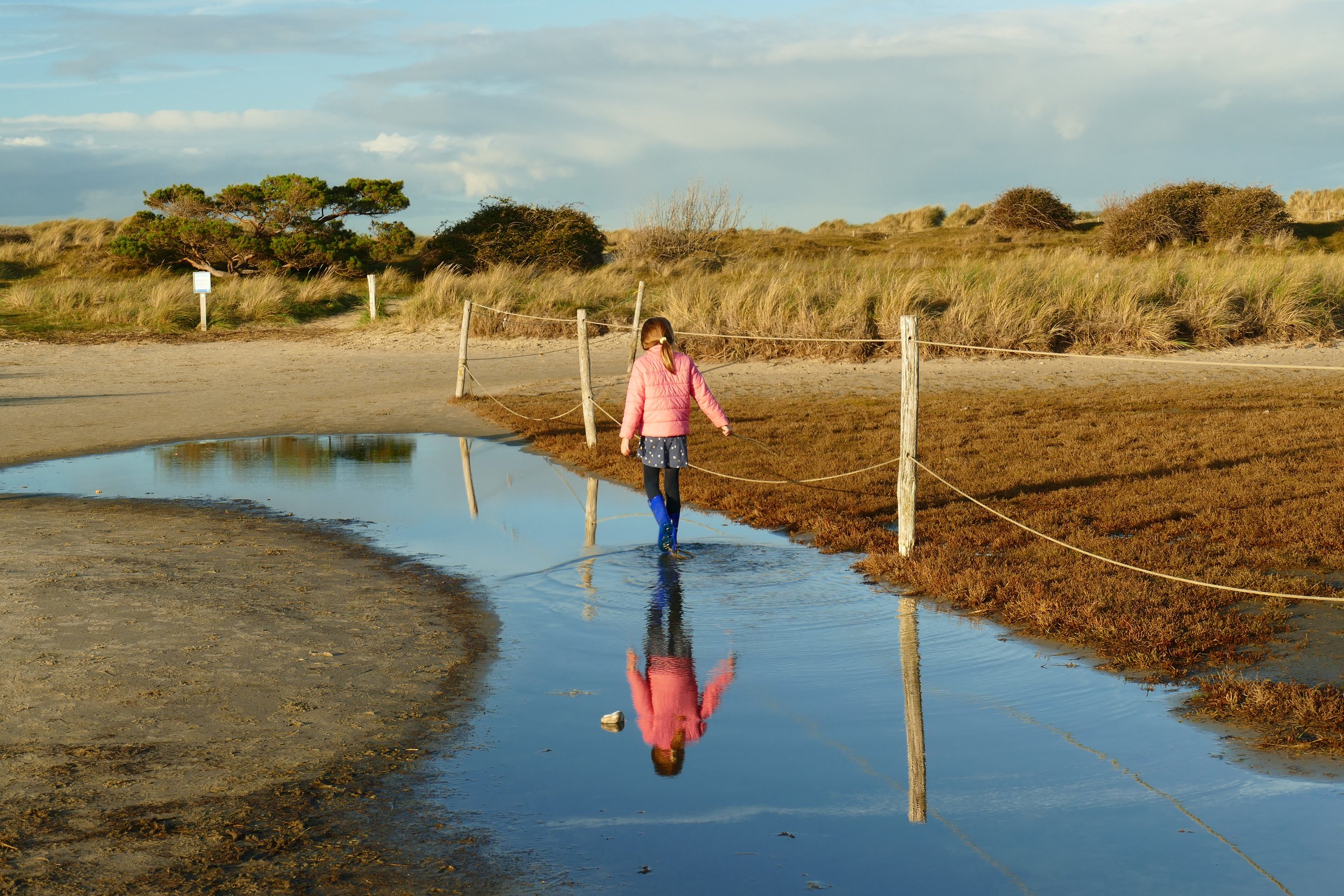
Park at the furthest end of the car park. You will see some information boards and the spit leading away from you. We usually start our walk on the landward side and go in an anti-clockwise direction. The saltmarsh will be to your right and the dunes to your left. Look our for roped areas on the dunes and shingle that are protected for nesting birds. People and dogs should never enter these.
At the furthest point of the spit, you will reach a white flag pole. Bear left at this and round the end of the spit. You will usually see some boats moored up here.
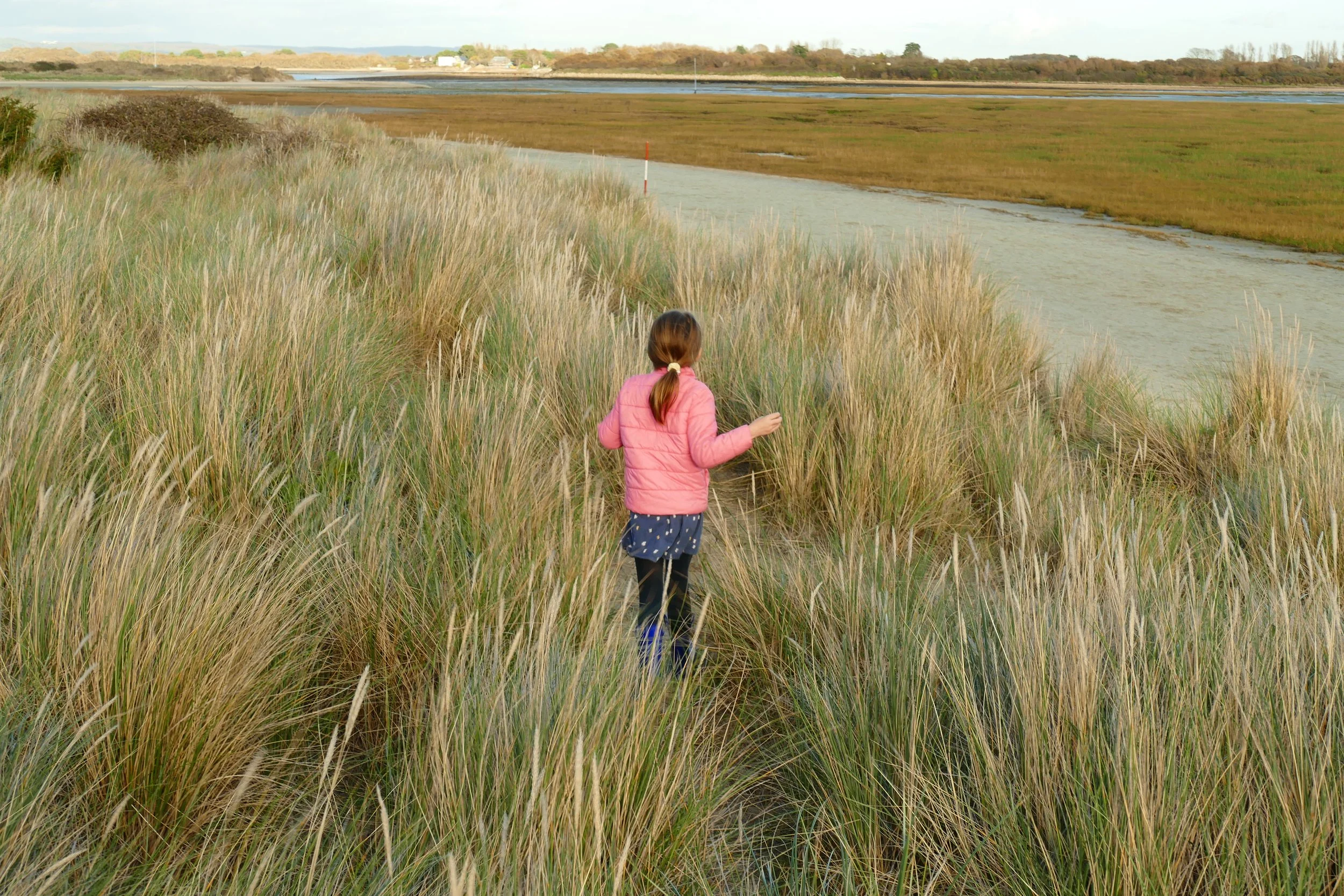
Once you have rounded the end of the spit, you will then be able to complete your route back by walking along the seaward side. This time the dunes will be to your left and the sea water to your right. You can walk on the beach or there are some paths on the dunes which you can take, but as before, avoid any areas that are roped off and stick to paths to avoid eroding the marram grass.
Gain access to the member's only area of our website where you will find the complete A-Z library of all our PDF files. This includes over 220 self-guided walks ready to print or download, as well as various children's activity sheets. You will also find a digital membership card, giving you access to our current discounts.




Did you know?
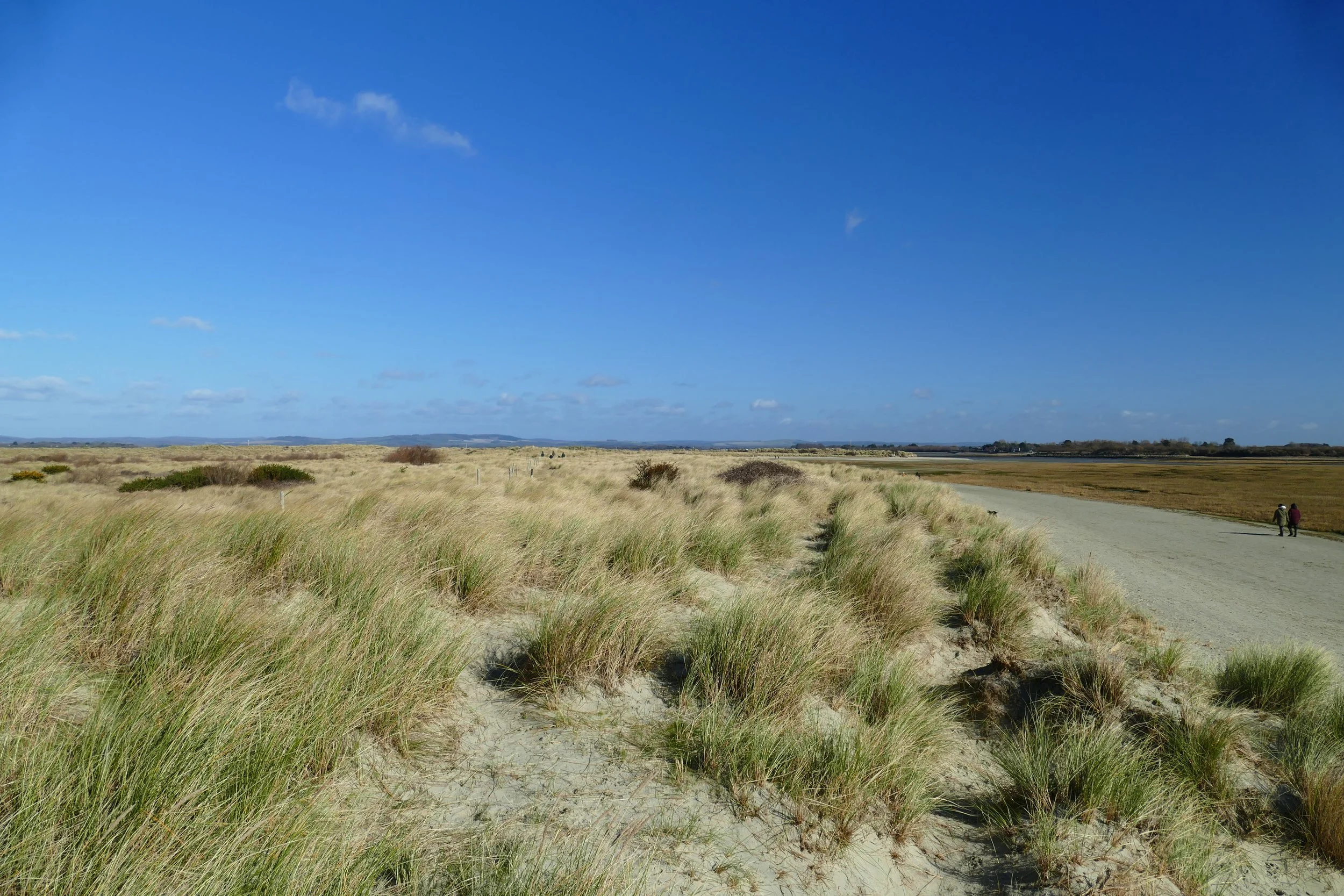
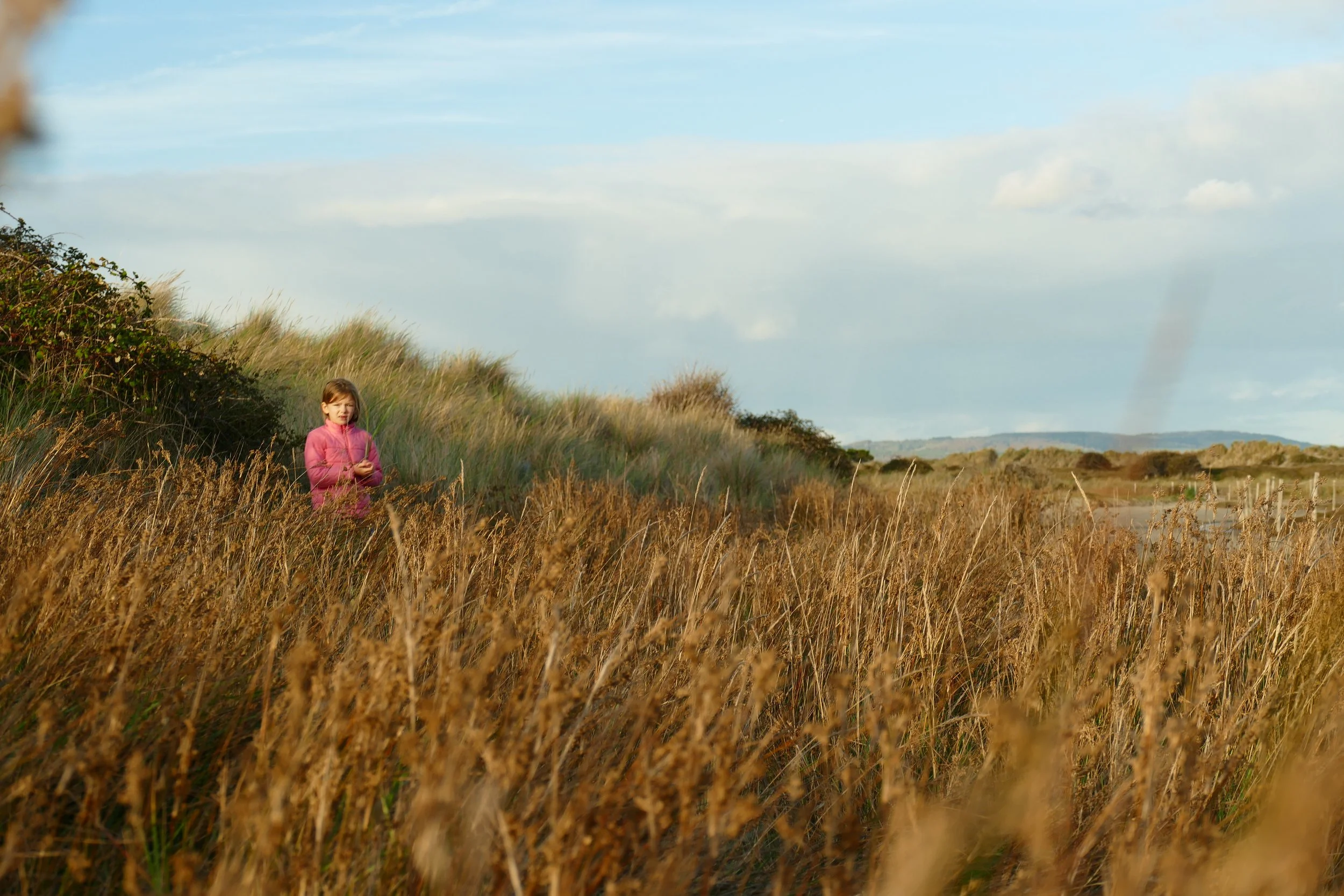
Sand dunes are described as a dynamic habitat. They are constantly changing due to tides, weather and vegetation cover. The marram grass looks beautiful, but it is also essential to the dune’s survival. Its roots bind the sand together, holding it in place and its leaves act as a windbreak, capturing the sand.

If you liked this walk…
…try this one at Ferry Point on Hayling Island which also has a few sand dunes.
We are passionate about keeping The Ambling Path as a free resource available to everyone, forever. If you have enjoyed using our walking guides, then please consider leaving us a donation. This will help to cover our costs as well as rewarding the considerable time and effort needed to maintain the site. Thank you.