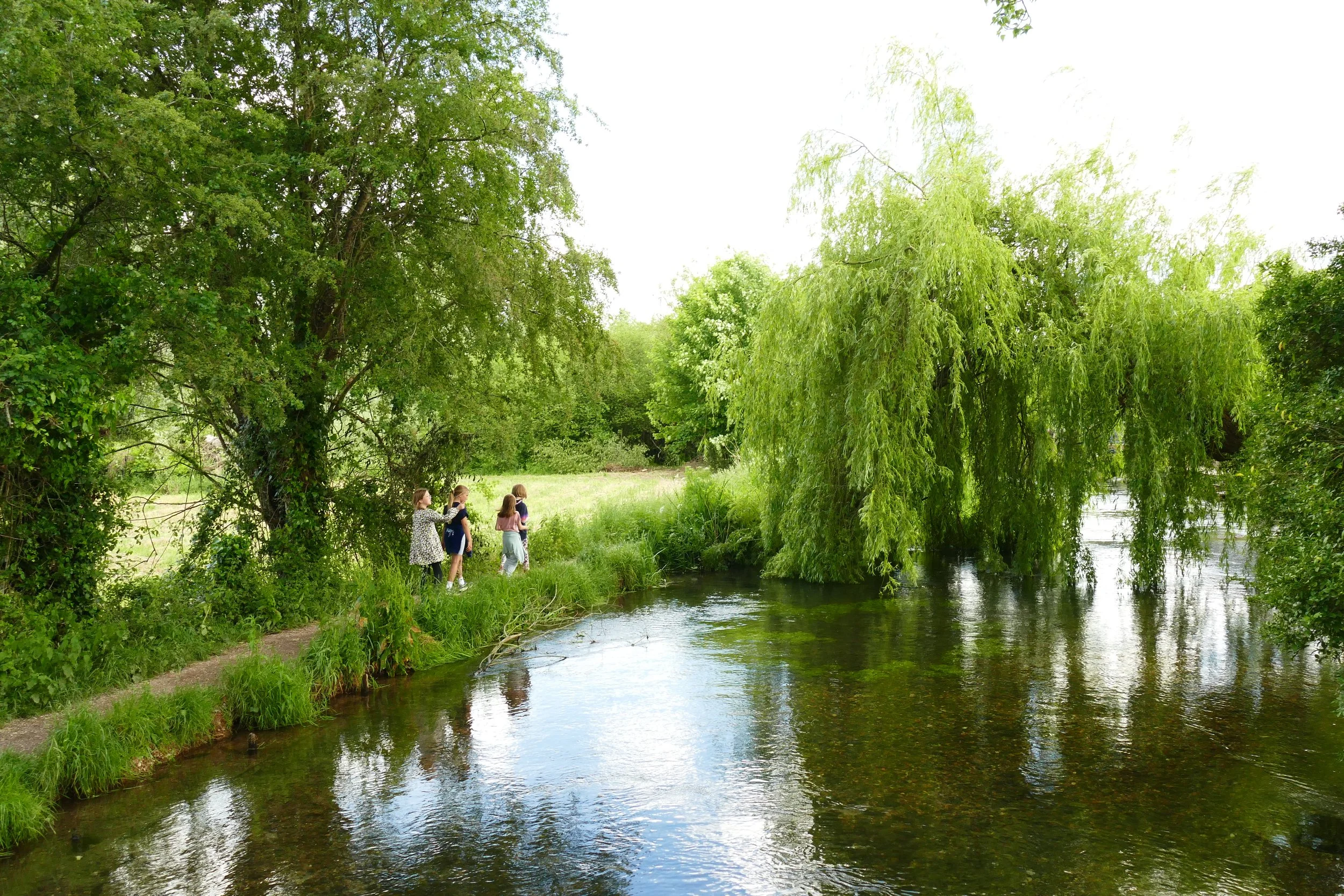
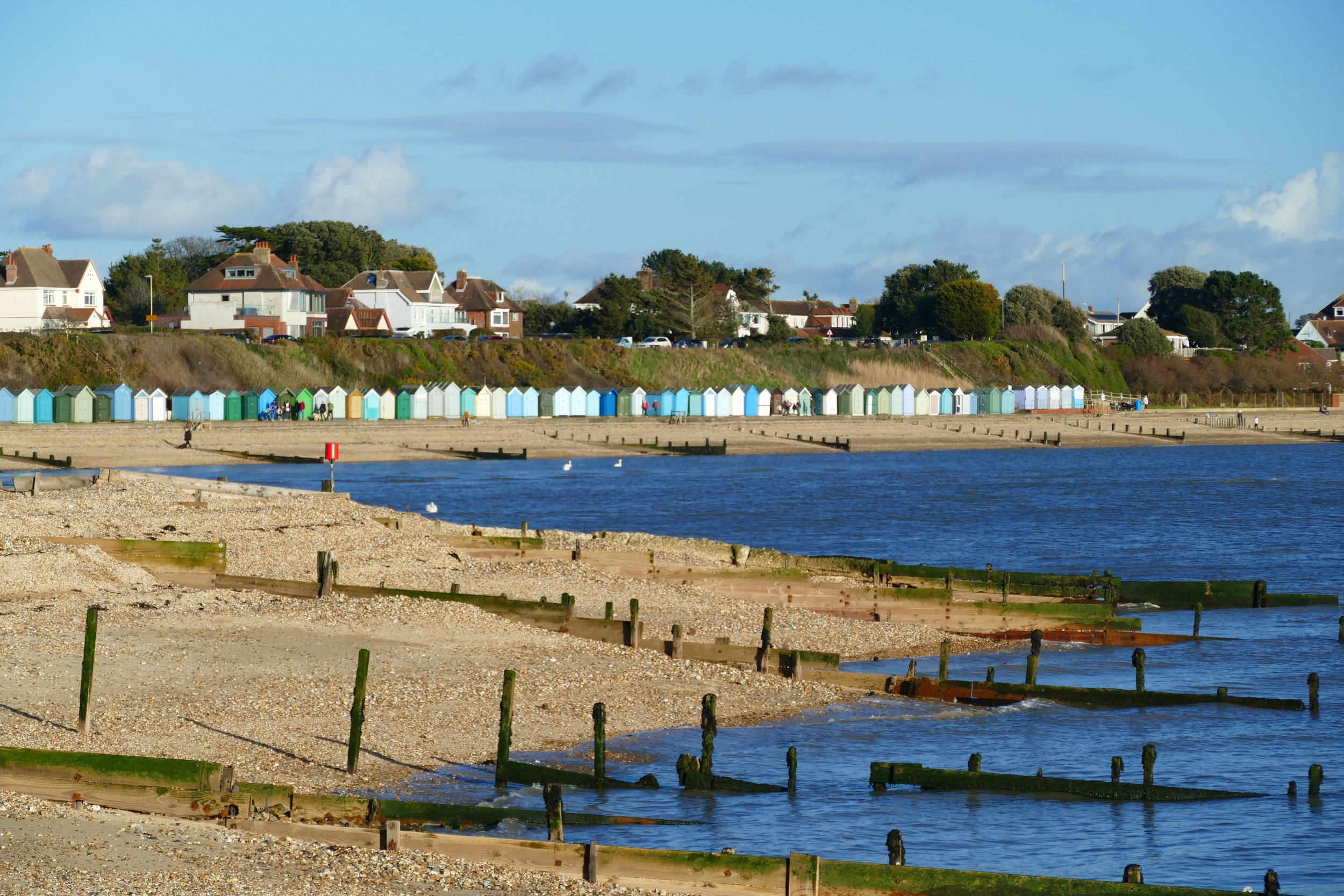
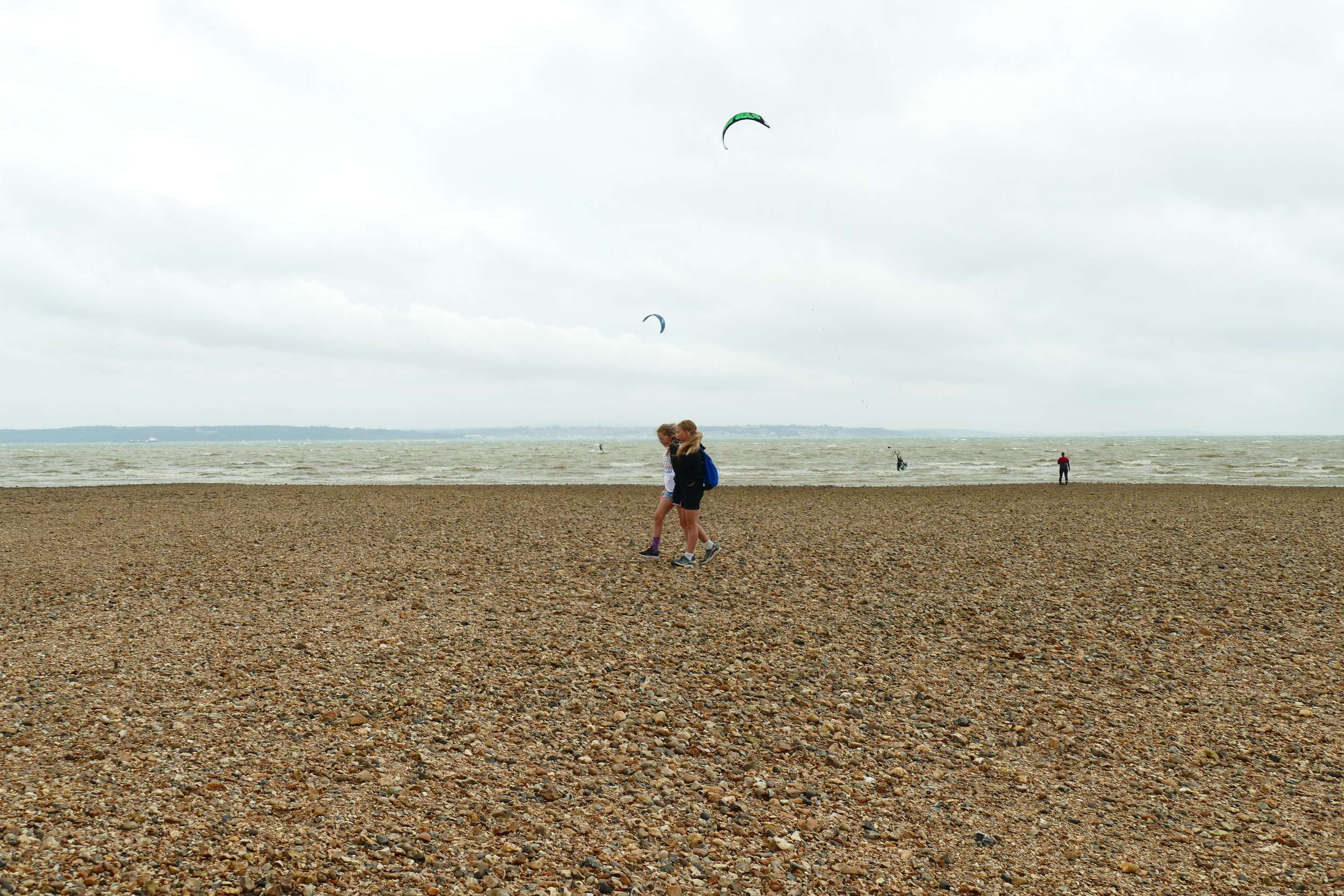
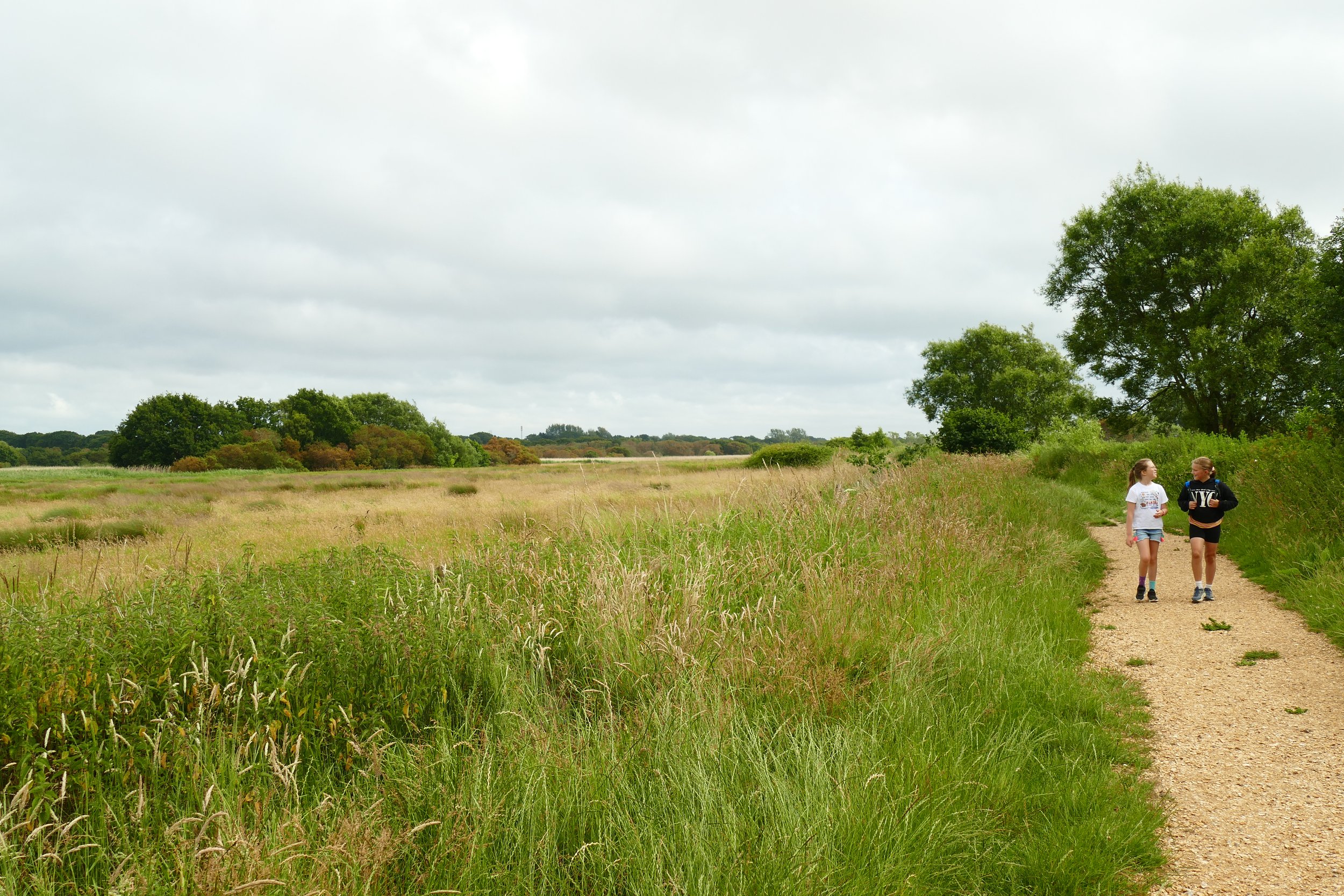
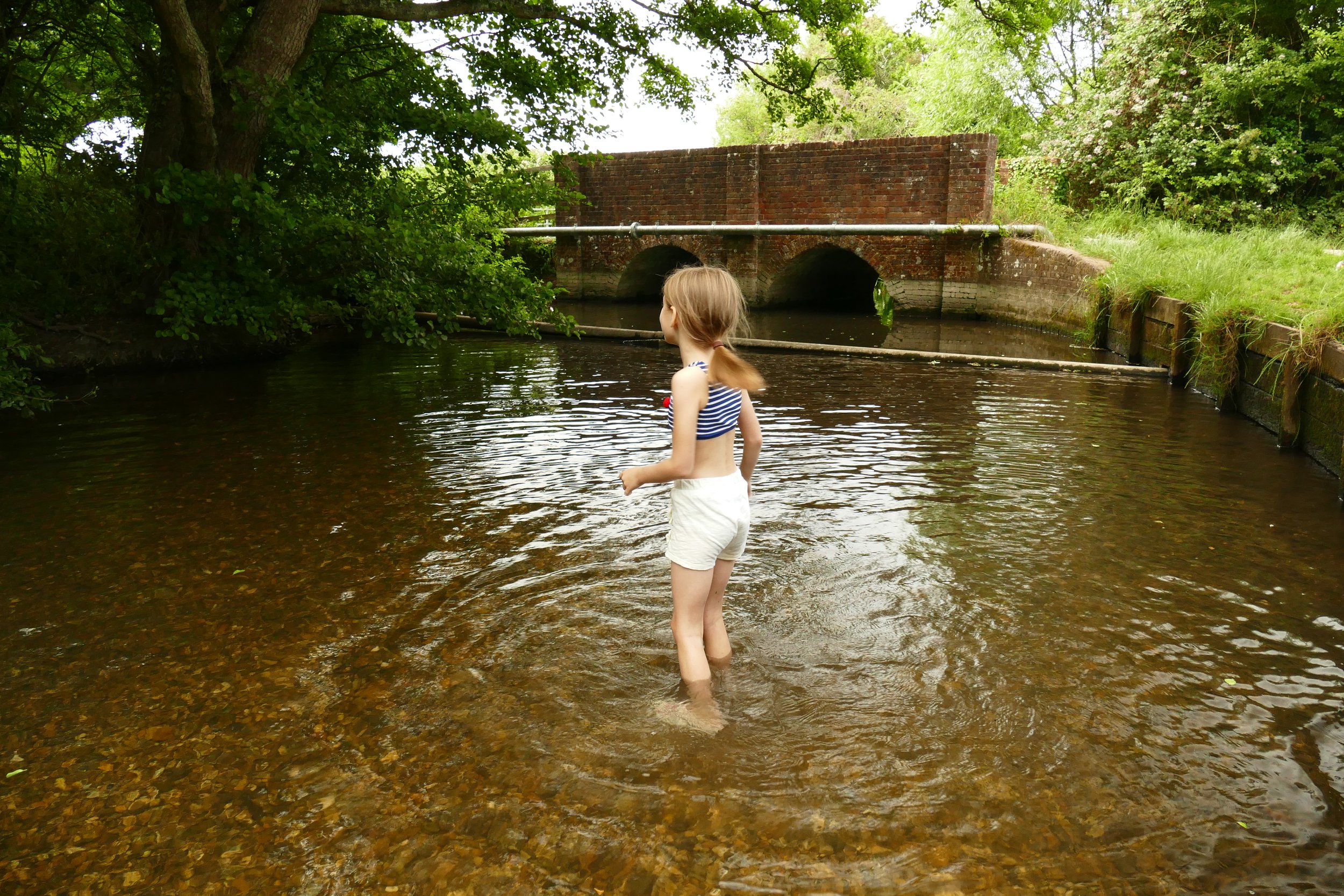
Children will enjoy the path which runs parallel to the old canal and the steps into the water where they can paddle in summer. They can also spot birds in the nature reserve and swim in the sea at Meon Shore.
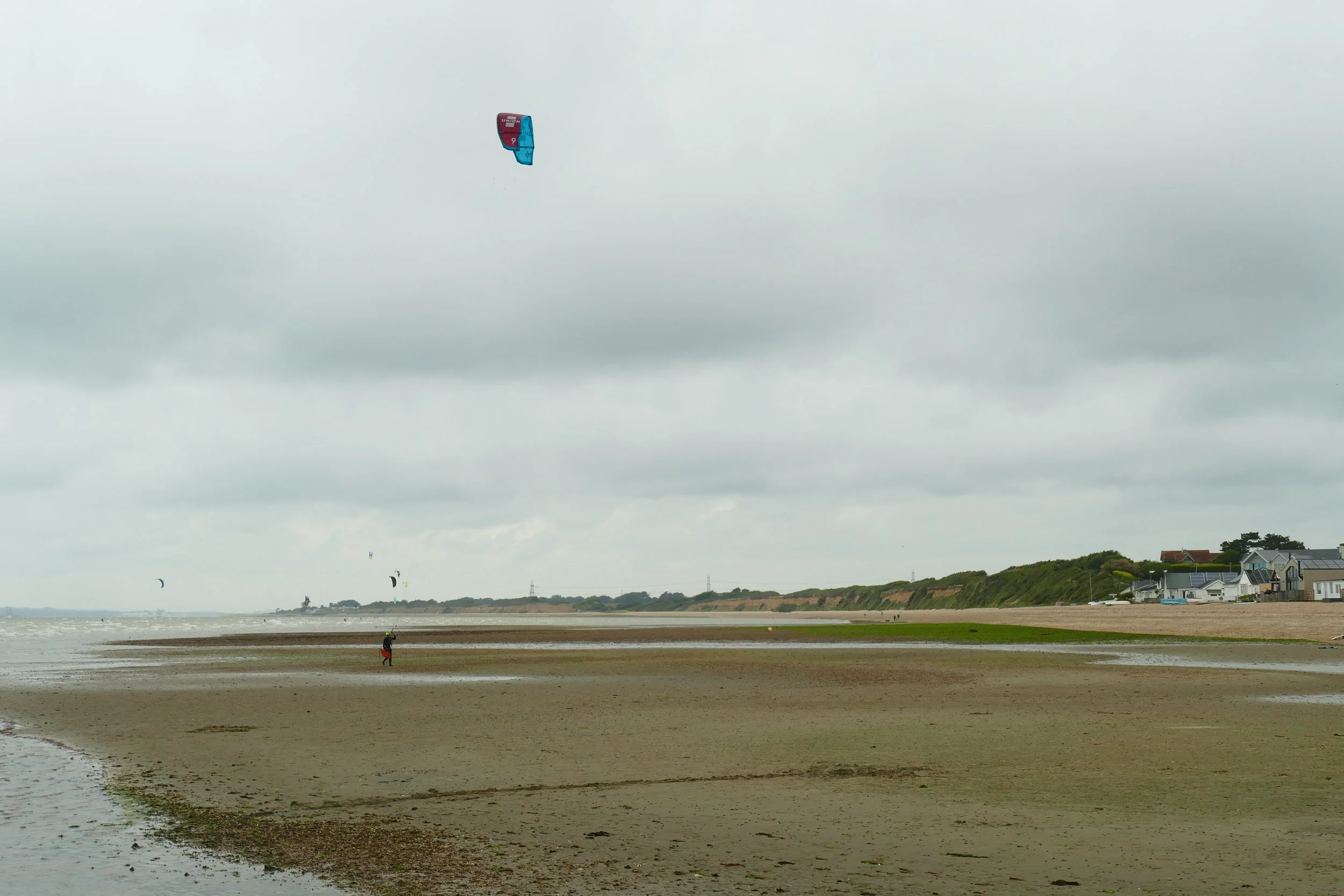
Meon Shore
The Basics
Time: 1 hour 50 minutes
Distance: 7.2 km / 4.5 miles
Terrain: Flat, mostly well surfaced paths along the canal with one narrow section at the end. Flat, well surfaced farm tracks and village roads with pavements on the way back.
Pushchairs: In summer, the route would be passable with a pushchair, but in winter it can become muddy. You will need to get the pushchair through a kissing gate.
Dogs: Dogs are welcome on the walk and at the beach and there are steps in the old canal where dogs can swim.
Refreshments: Coffee Commotion, a mobile barista can often be found on Meon Shore or there are a variety of options in Titchfield.
Toilets: There are public toilets at Meon Shore.
Public Transport: Use the bus stop at The Bowling Green in Titchfield served by Bluestar buses lines 611 and 620 from Stubbington to Eastleigh.
Parking: A small, free car park off Bridge Street at the start of the canal, height barrier (Postcode: PO14 4EA - W3W: ///confident.avoid.irony)
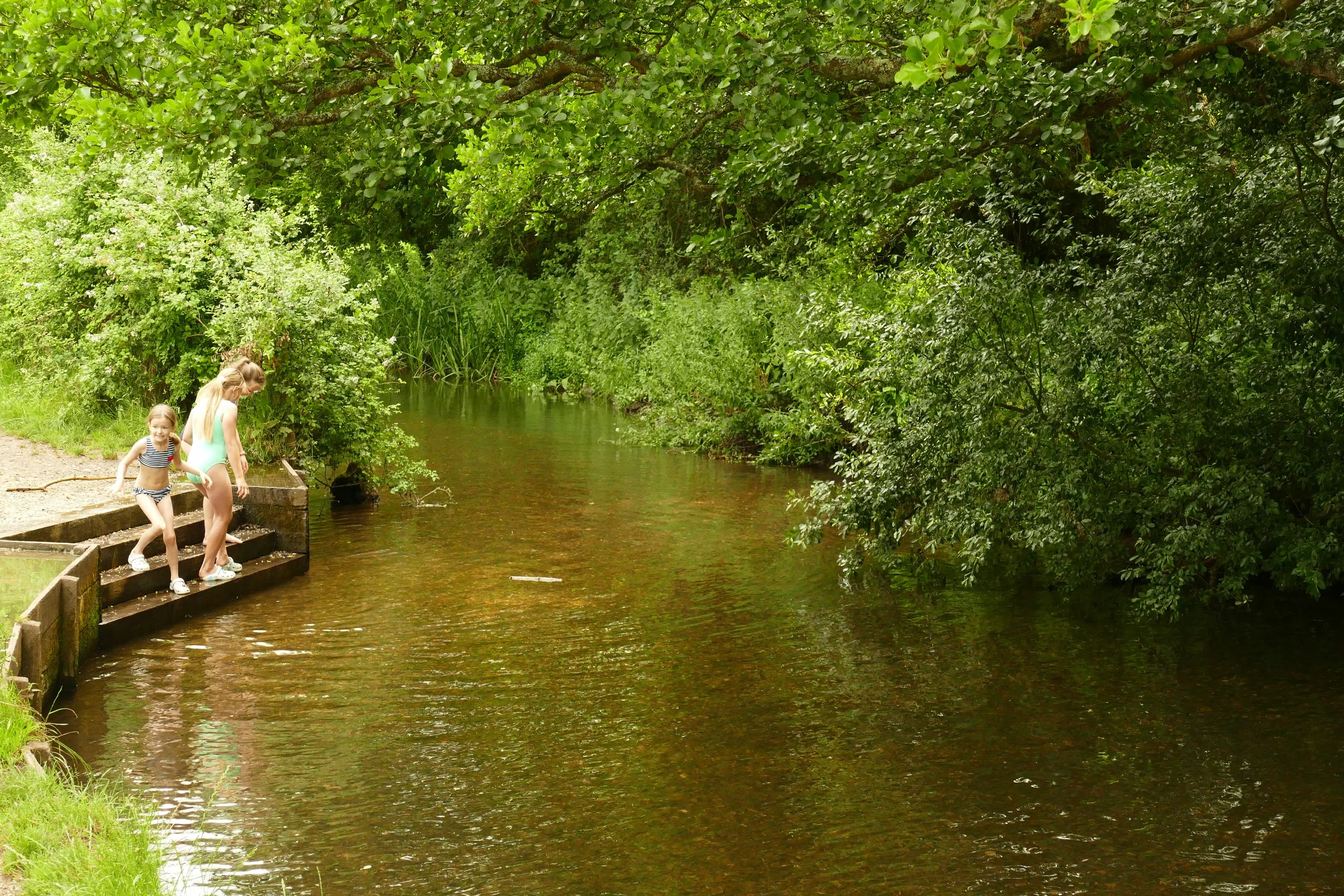
There is a spot along the canal where children can paddle
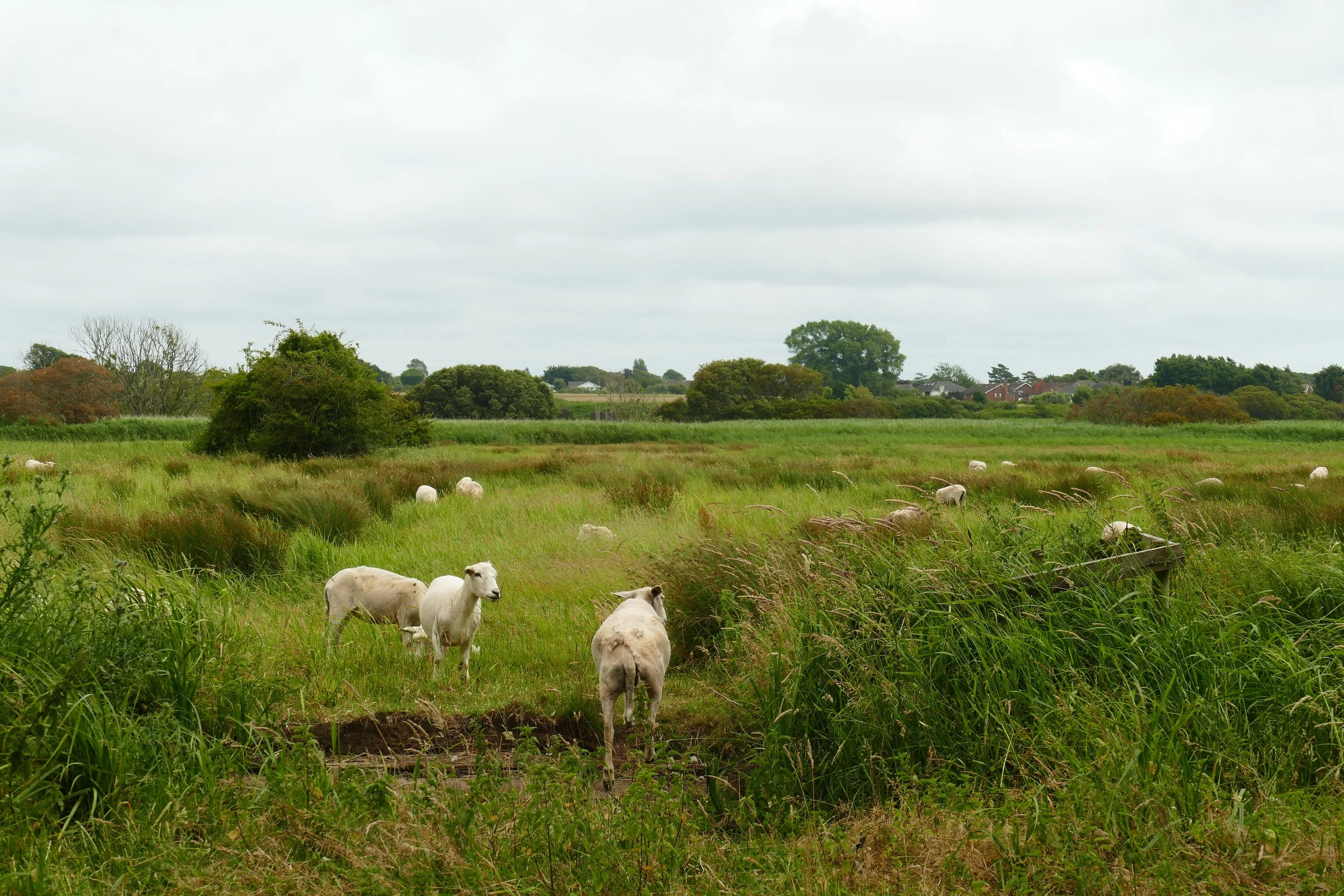
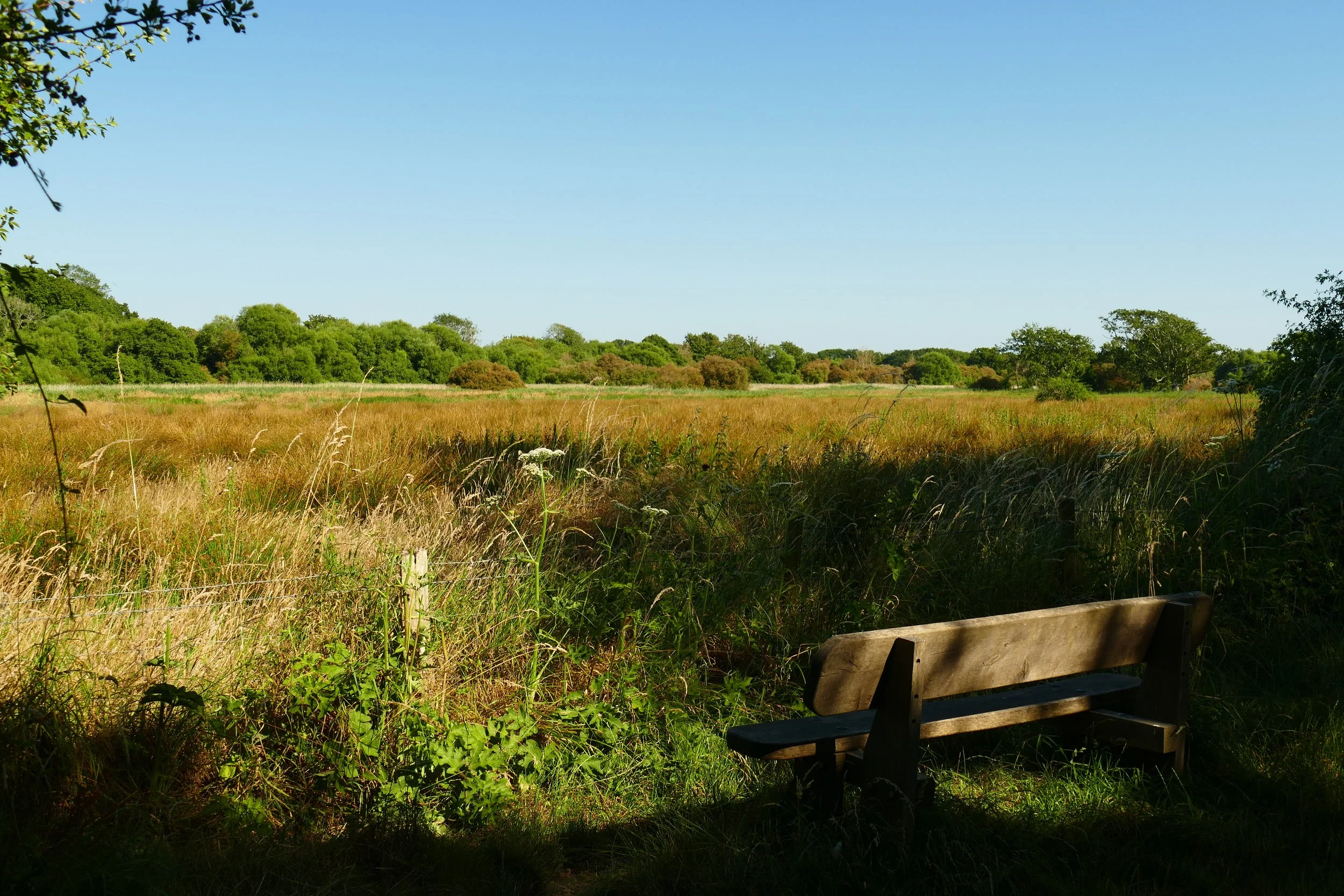
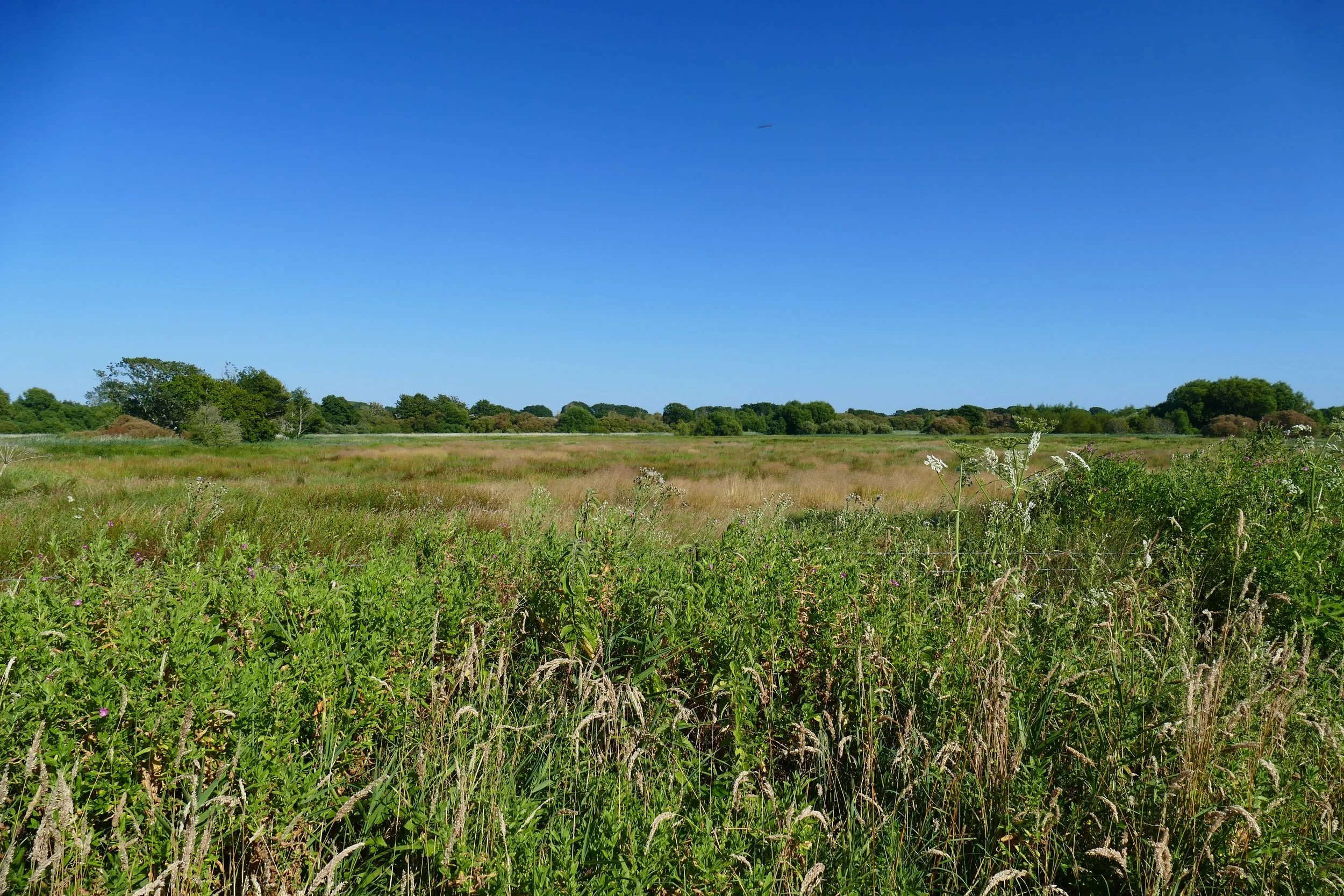
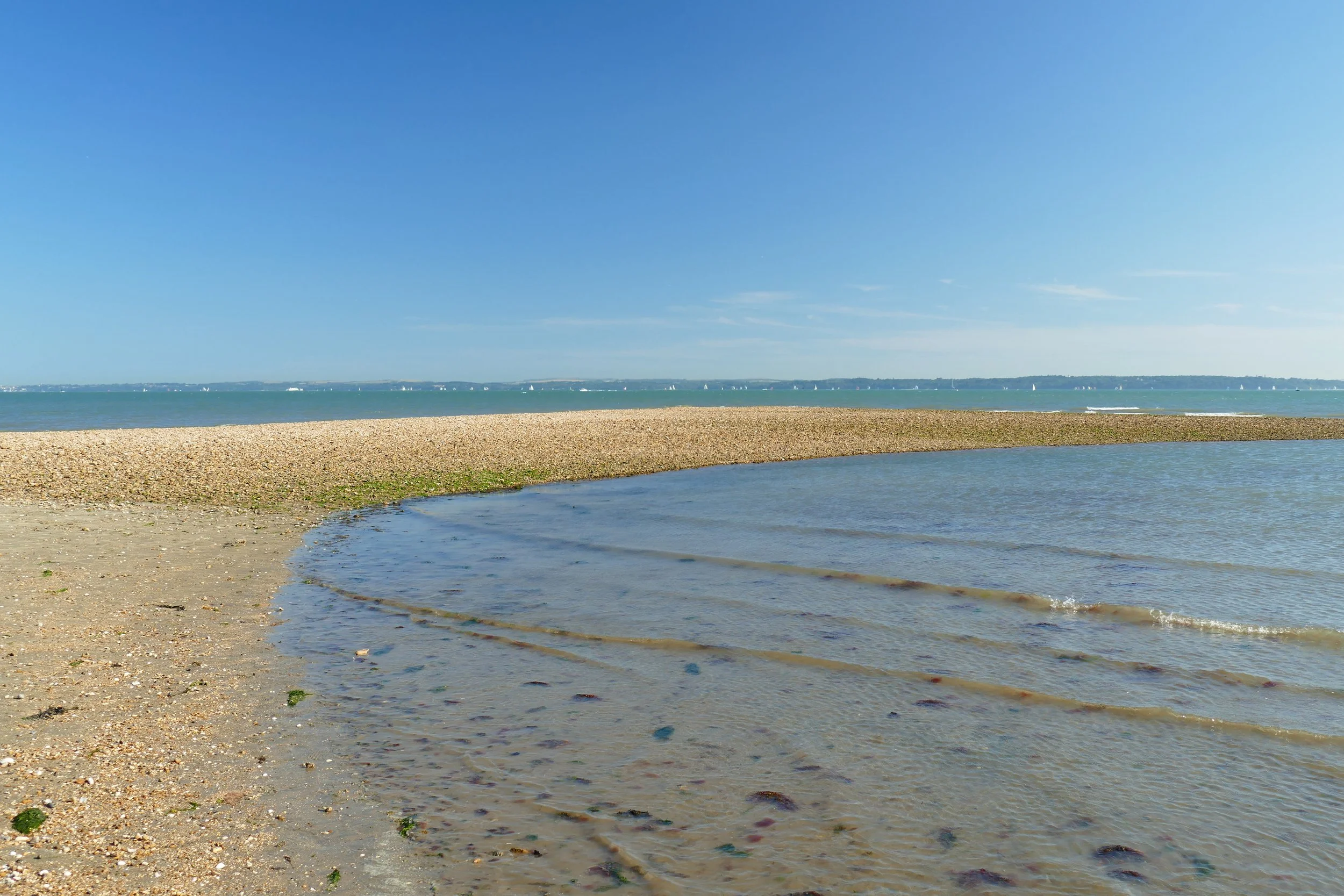
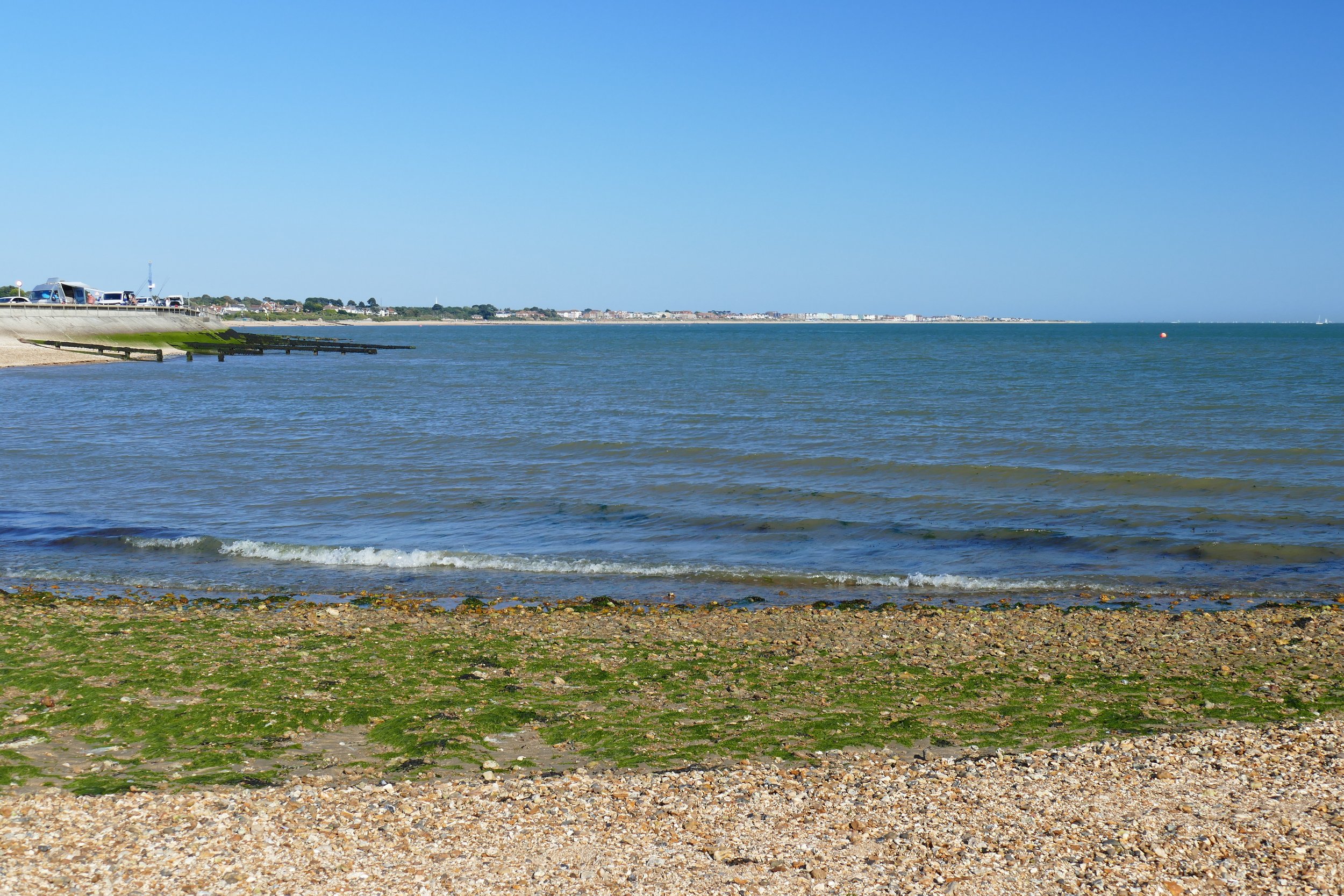
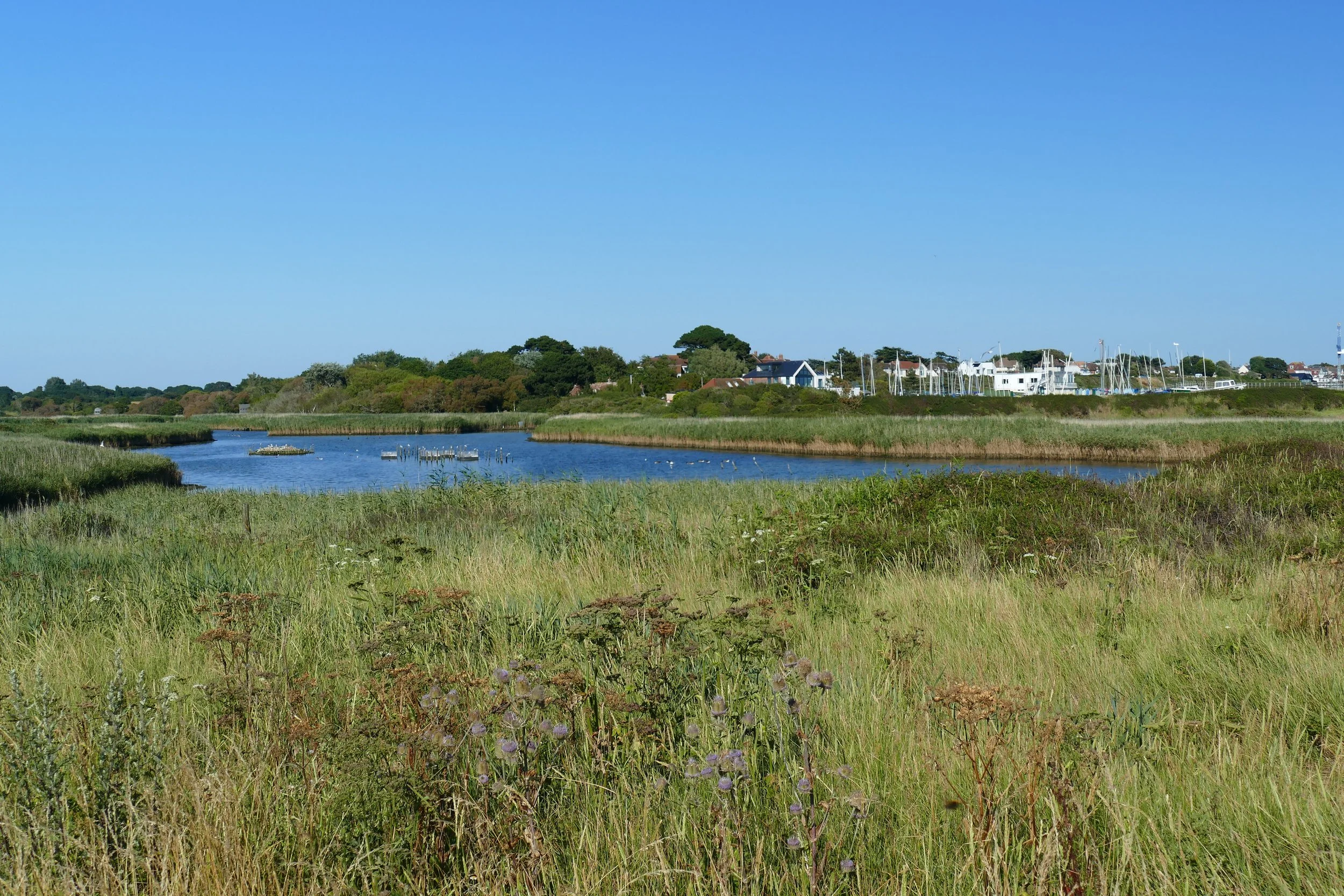
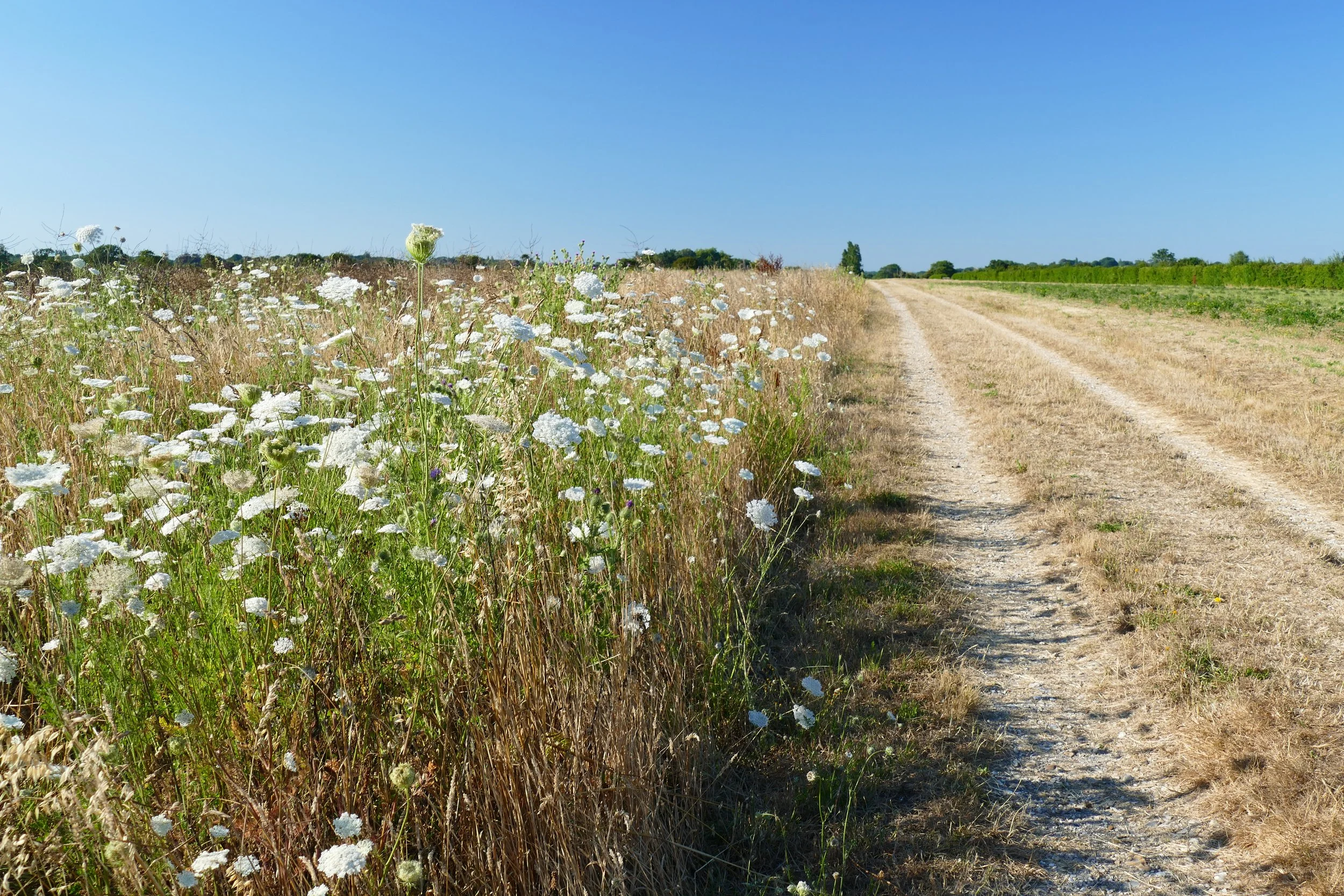
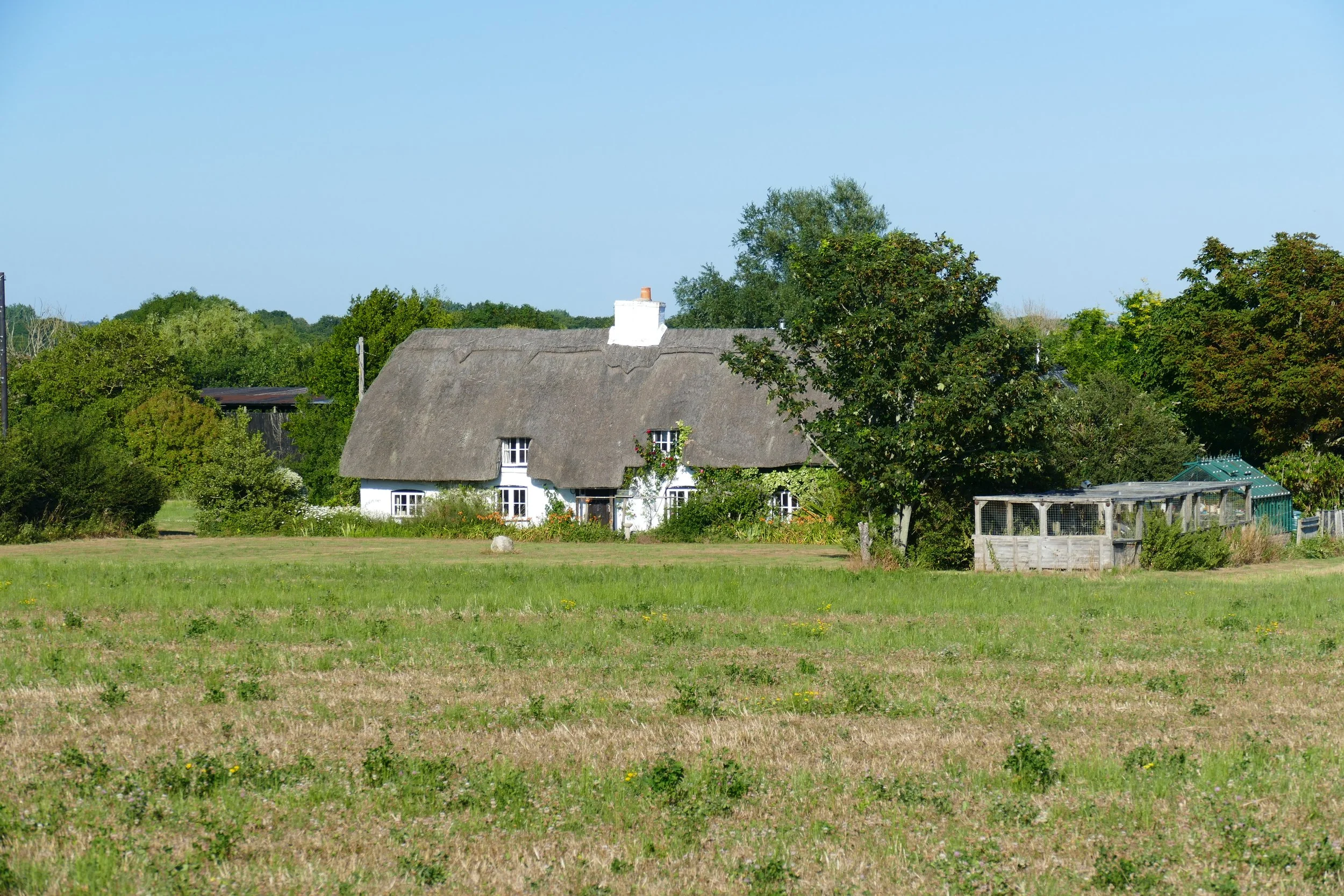
On your outward journey, you will find yourself with views across Titchfield Haven Nature Reserve on one side and Titchfield Canal on the other. The halfway highlight will be revealed when you arrive at Meon Shore and can have a swim or a picnic on the beach. The return leg will take you over peaceful fields on well established farm tracks to return to Titchfield village.
The Route
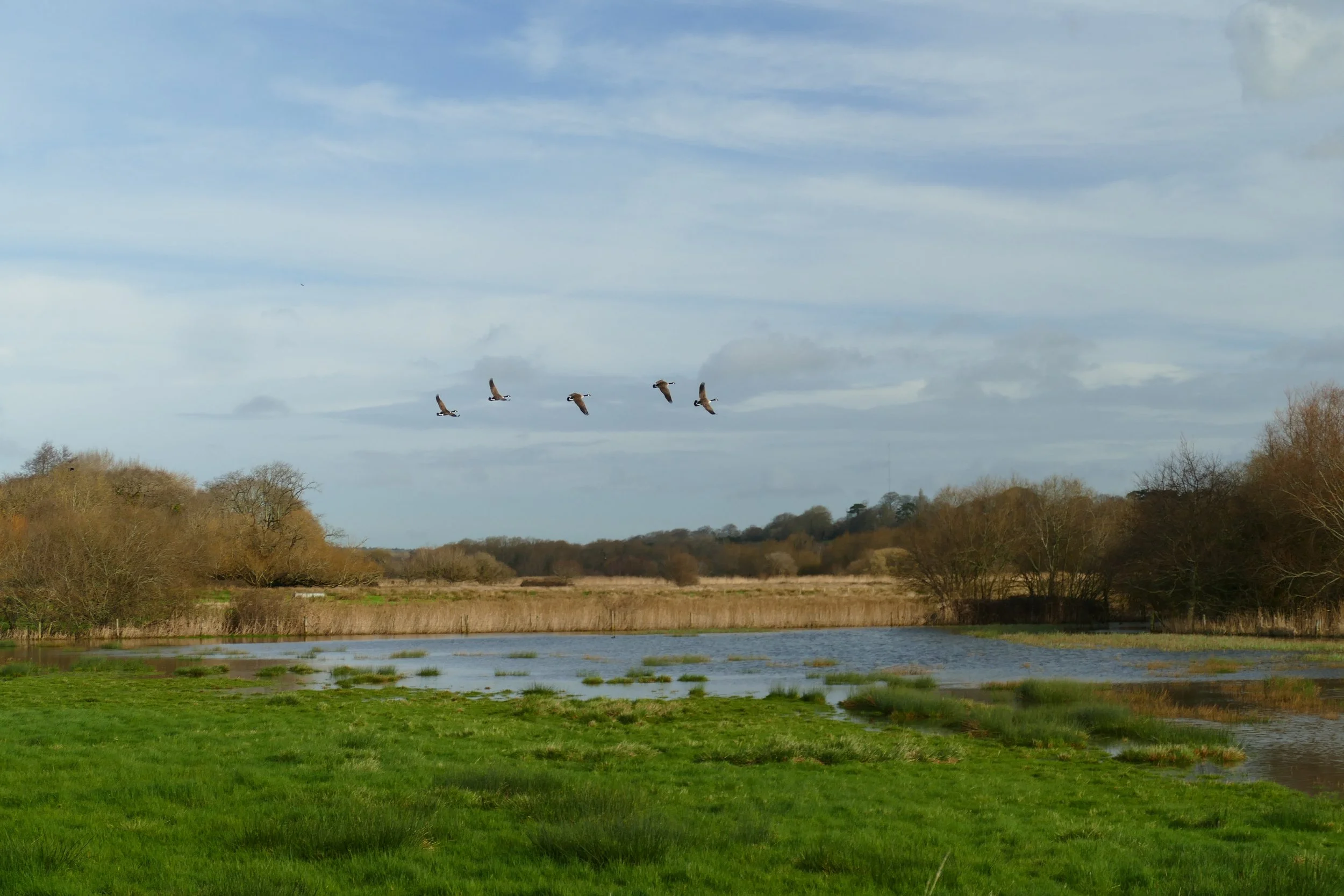
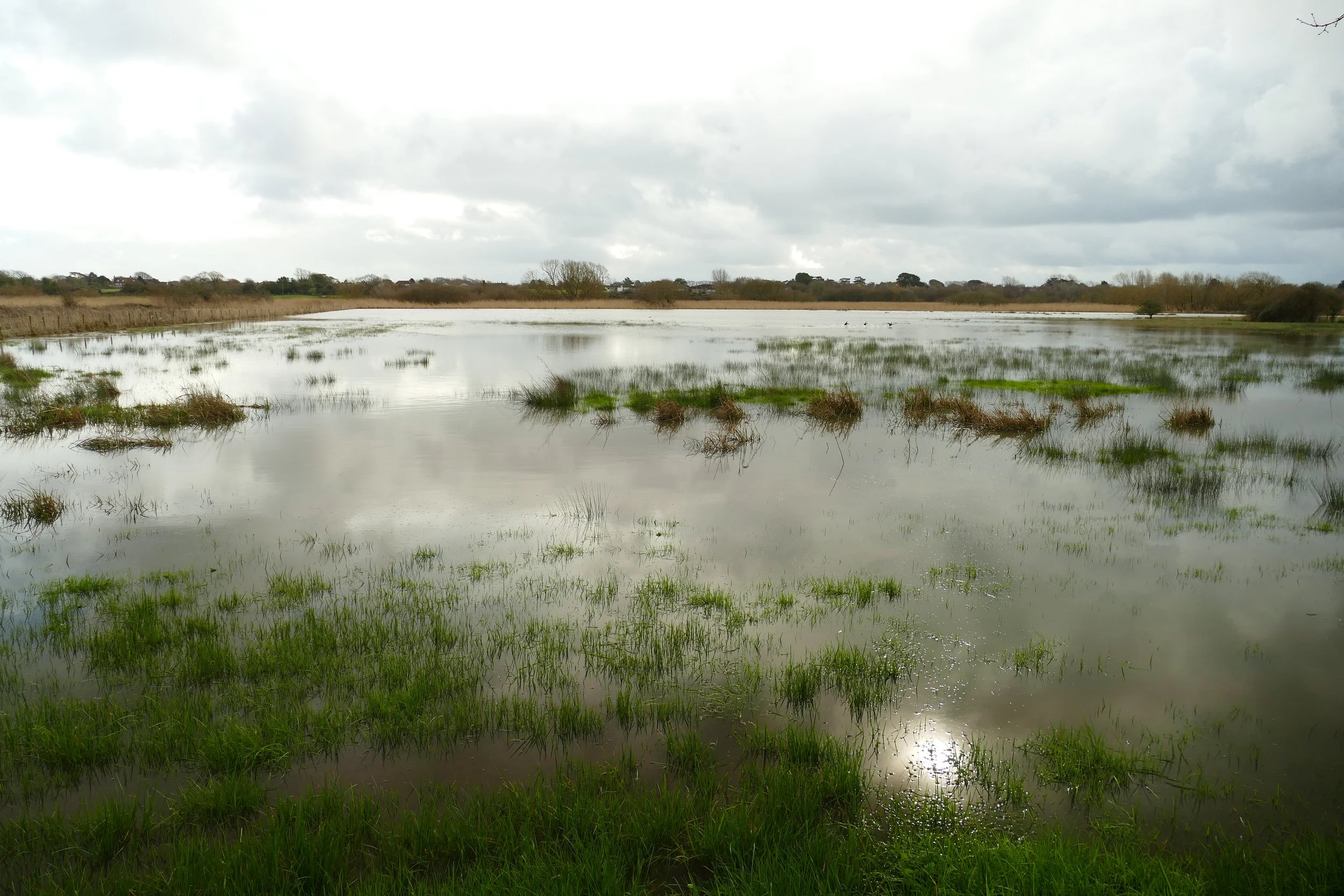
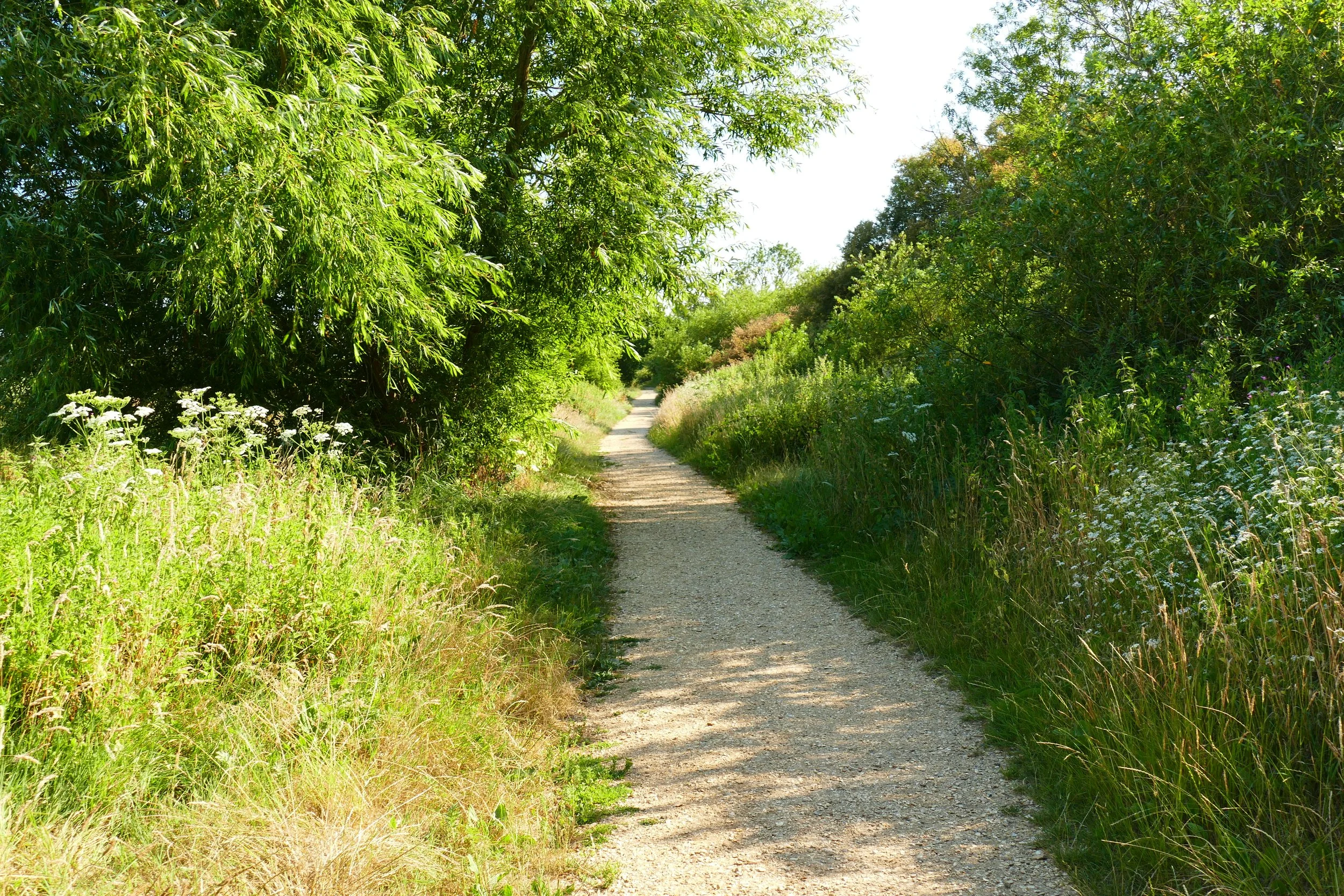
Exit the car park onto the path, turn left away from the road and then go through the gate. The outward leg of the walk is very simple as it will take you in a straight line for approximately 3 km/45 minutes all the way to the coast! You will have plenty of opportunities to see into Titchfield Haven Nature Reserve to your left and the small canal will be to your right.
After you have gone through the gate towards thee end of the path, bear left to avoid walking by the road and take the narrow path lined by a reed bed to your left. Cross the road when you see the opening and access the beach on the other side. If you have a pushchair, you may find it easier to walk on the road after the gate to avoid the narrower path.
Once you have enjoyed the beach, you will initially need to retrace your steps. Return to the canal path and go through the gate. Continue until you reach the first bridge on your left that you can walk over. Enter the field on the other side and continue forward with the trees to your left. After a short while, the path will bend up to the right and you should then follow this farm track in a straight line for approximately 1.5 km/25 minutes.
Just after Posbrook Nursery, the paved track will bend off to the right, but you should continue forward into the crop field. Walk along the edge with the hedge to your right. At the other side of the field, you will need to go through the kissing gate and cross the lane.
Join the stony path directly opposite. At the time of writing (July 2026) this area is being developed for housing. The footpath will still remain and should still take you directly through the development. At the moment, Heras fencing borders the path on either side. Go straight until the path exits the building site through a hedge and into a garage area. Keep going forward and join the passageway to the right of the garages. Go straight along Lower Bellfield and then turn right at the end and walk down Coach Hill. Turn right into Bridge Street and return to your car.
Gain access to the member's only area of our website where you will find the complete A-Z library of all our PDF files. This includes over 220 self-guided walks ready to print or download, as well as various children's activity sheets. You will also find a digital membership card, giving you access to our current discounts.




Did you know?
It is unlikely that Titchfield Canal was constructed for navigational purposes and evidence suggests its main use was in providing irrigation to a water meadow system.

If you liked this walk…
…try this one at Titchfield Haven Nature Reserve which takes you inside the reserve.
Follow us to see our new walks and get regular updates on our old ones: